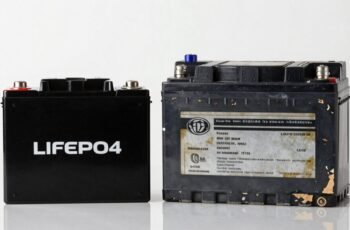
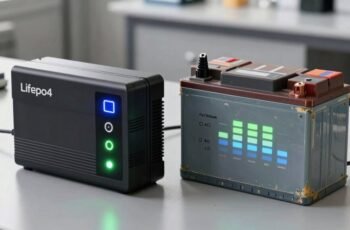
When choosing between LiFePO4 and lithium-ion batteries, understanding their differences is vital for making the right decision. Each type offers unique advantages and potential drawbacks, depending on your needs. We’ll explore their safety, longevity, cost, and ideal applications to help you determine which fits best. As we examine these options, you might find that one aligns better with your priorities — but there’s more to take into account before making your choice.
Key Takeaways
- LiFePO4 batteries are safer, with less risk of thermal runaway and fire, due to their stable chemical composition.
- They offer a longer lifespan, supporting over 2,000 charge cycles, compared to shorter lifespans of typical lithium-ion batteries.
- LiFePO4 performs better at higher temperatures and maintains safety and durability in extreme environments.
- Lithium-ion batteries charge faster but degrade quicker, making them suitable for portable electronics and quick-charge applications.
- The higher initial cost of LiFePO4 is offset by longer durability and lower maintenance, ideal for energy storage and EV use.
Which Battery Is Safer: LiFePO4 or Lithium-Ion?
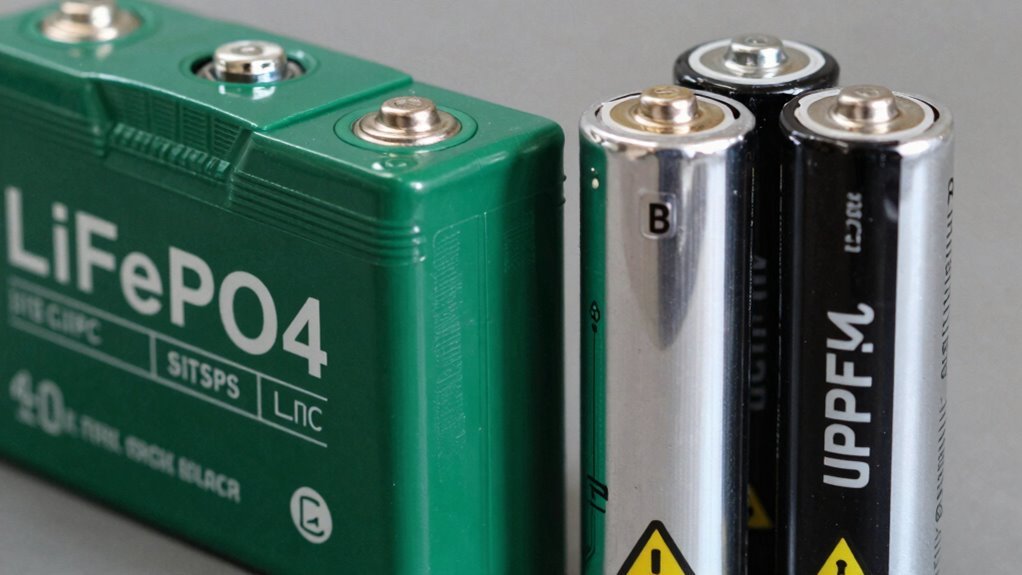
When it comes to safety, many wonder which battery type is the better option: LiFePO4 or lithium-ion? We believe safety is a top priority, and LiFePO4 batteries generally offer a safer profile. They’re less prone to thermal runaway, which means they’re less likely to overheat or catch fire if damaged or improperly handled. Unlike traditional lithium-ion batteries, LiFePO4 has a more stable chemical structure, reducing the risk of explosion or fire during failure. Lithium-ion batteries, while widely used, can pose higher safety concerns due to their flammable electrolyte. Overall, LiFePO4 batteries tend to be the safer choice, especially in applications where safety and stability are critical. We recommend considering these factors carefully when choosing your battery to ensure safety and peace of mind.
How Long Do These Batteries Last? Factors Affecting Lifespan
The lifespan of LiFePO4 and lithium-ion batteries depends heavily on how we use them and the conditions they’re exposed to. Frequent charging cycles and high temperatures can shorten their durability, while proper care can extend their useful life. Understanding these factors helps us choose and maintain batteries more effectively.
Usage Patterns Impact Longevity
How you use these batteries considerably influences how long they last. Frequent deep discharges or consistently draining them close to empty accelerate wear, reducing lifespan. Similarly, regularly charging to 100% can strain the cells, especially in lithium-ion types, leading to faster degradation. On the other hand, keeping batteries in a mid-range charge—around 40-80%—helps preserve capacity over time. Charging and discharging at high rates also hasten aging, so slow, steady cycles are better. Avoiding unnecessary rapid charges and shallow cycling can extend usability. Proper usage habits, like not leaving batteries drained for extended periods and avoiding excessive charging cycles, are essential for maximizing lifespan. Overall, mindful usage patterns play a vital role in ensuring these batteries serve you longer and more reliably.
Temperature Effects on Durability
Temperature plays a critical role in determining the lifespan of LiFePO4 and lithium-ion batteries. Excessive heat accelerates chemical reactions inside the cells, leading to faster capacity loss and reduced overall durability. Conversely, cold temperatures can impair performance and slow down chemical processes, although they don’t necessarily damage the battery long-term. Maintaining an ideal temperature range—typically between 20°C and 25°C—is essential for maximizing lifespan. Both battery types are sensitive to temperature extremes, but LiFePO4 batteries tend to handle higher temperatures better without degrading as quickly. To extend your batteries’ durability, avoid exposing them to heat sources or freezing conditions. Proper thermal management, such as using cooling systems or storing batteries in moderate environments, helps guarantee they last longer and perform reliably over time.
LiFePO4 vs Lithium-Ion: Cost and Value Comparison
While LiFePO4 batteries often come with a higher upfront cost, they tend to offer better long-term value compared to traditional lithium-ion batteries. This is primarily due to their extended lifespan, enhanced safety, and greater stability over time. Although initial investments might be higher, users benefit from fewer replacements and reduced maintenance expenses, making them more economical in the long run. Additionally, their superior thermal stability minimizes risks and potential damage, adding to their overall value.
LiFePO4 batteries offer better long-term value through longer lifespan, enhanced safety, and greater stability despite higher upfront costs.
- Longer cycle life reduces replacement frequency and costs
- Improved safety features lower insurance and maintenance expenses
- Greater thermal stability minimizes damage and safety concerns
Battery Performance & Charging: What’s the Difference?
When comparing battery performance, charging speeds and cycle life are key factors to contemplate. We notice that LiFePO4 batteries often handle more charge cycles with consistent power delivery, while lithium-ion batteries typically charge faster initially. Understanding these differences helps us choose the right battery for reliable performance and efficient charging.
Charging Speeds and Cycles
Charging speeds and cycle life are essential factors that determine how well a battery performs over time. Faster charging can reduce downtime, but it may impact the longevity of the battery. Similarly, cycle life indicates how many charge-discharge cycles a battery can handle before its capacity drops markedly.
LiFePO4 batteries typically offer longer cycle lives—often over 2,000 cycles—compared to many lithium-ion variants. They also support faster charging without compromising lifespan. Lithium-ion batteries may charge quickly but tend to degrade faster with frequent fast-charging.
Key considerations include:
- Charge rate compatibility for each battery type
- Cycle count longevity and how it affects overall lifespan
- Impact of fast charging on long-term performance
Power Delivery Consistency
Power delivery consistency refers to a battery’s ability to provide a stable and reliable flow of power throughout its usage, especially during demanding tasks or rapid charging. With consistent power, devices perform smoothly without sudden drops or fluctuations, which is vital for applications like electric vehicles or power tools. LiFePO4 batteries generally excel here, maintaining steady voltage levels under load, resulting in reliable performance. Lithium-ion batteries can sometimes experience voltage drops as they discharge, causing inconsistent power delivery. This variability can affect device operation and efficiency. For users, this means that LiFePO4 batteries often offer more predictable performance, especially during high-demand periods. Consistent power delivery ultimately enhances reliability, prolongs device lifespan, and guarantees smoother operation during critical tasks.
Best Uses for LiFePO4 and Lithium-Ion Batteries
LiFePO4 and lithium-ion batteries each excel in different applications due to their unique characteristics. LiFePO4 batteries are ideal for situations requiring stability, long cycle life, and safety, making them perfect for solar energy storage, electric vehicles, and backup power systems. They handle deep discharges well and maintain performance over many cycles. Lithium-ion batteries, on the other hand, are better suited for portable electronics and high-drain devices because of their high energy density and lightweight design. They provide quick charging and are widely used in smartphones, laptops, and electric bikes.
LiFePO4 batteries excel in stability and longevity, while lithium-ion batteries are ideal for portable, high-energy devices.
Some key applications include:
- Renewable energy storage systems
- Electric vehicle powertrains
- Consumer electronics and portable devices
How to Choose the Right Battery for Your Needs
Choosing the right battery depends on understanding your specific needs and how you plan to use it. First, consider the device’s power requirements and whether you need high energy density or longer lifespan. For portable electronics, lithium-ion batteries offer compactness and quick charging. If you’re powering an off-grid solar system or an electric vehicle, LiFePO4 batteries provide stability, safety, and durability over time. Think about the operating environment too—extreme temperatures or frequent cycles may influence your choice. Budget is also a factor; lithium-ion batteries tend to be more affordable upfront, while LiFePO4 batteries often save money with their longevity. Ultimately, matching your usage pattern, safety concerns, and financial considerations guides you to the best battery for your needs.
Frequently Asked Questions
Are Lifepo4 Batteries Environmentally Friendly?
Yes, LiFePO4 batteries are environmentally friendly because they contain fewer toxic materials, have a longer lifespan, and are more stable, reducing waste and environmental impact. We believe they’re a greener choice for sustainable energy storage.
Can Lifepo4 Batteries Be Recycled?
Yes, we can recycle LiFePO4 batteries. We recover valuable materials like lithium, iron, and phosphate, reducing waste and environmental impact. Recycling these batteries supports sustainability, conserves resources, and helps protect our planet for future generations.
How Do Temperature Extremes Affect Battery Performance?
Temperature extremes can substantially impact battery performance. We notice that high temperatures speed up degradation, while cold temperatures reduce capacity and efficiency. Keeping batteries within recommended temperature ranges helps maintain ideal performance and prolongs their lifespan.
Are There Size or Weight Differences Significant for Portable Devices?
We find that LiFePO4 batteries are generally larger and heavier than lithium-ion ones, which can impact portability. However, their safety and longevity often outweigh size concerns, especially for stationary or less portable applications.
What Are the Warranty Differences Between the Two Battery Types?
We’ve found that LiFePO4 batteries often come with longer warranties, sometimes exceeding 10 years, due to their stability and durability. Lithium-ion warranties typically last 2-3 years, reflecting their comparatively higher degradation rates.
Conclusion
In conclusion, LiFePO4 batteries offer superior safety and longevity, supporting over 2,000 charge cycles compared to traditional lithium-ion options. They’re ideal for long-term, high-demand uses like solar storage and EVs. Notably, their thermal stability reduces fire risks by up to 80%, making them a safer choice overall. While more expensive upfront, their durability and safety benefits often outweigh the initial costs, providing better value for those seeking reliable, long-lasting power solutions.