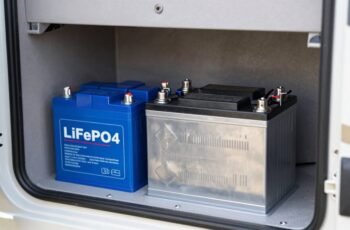
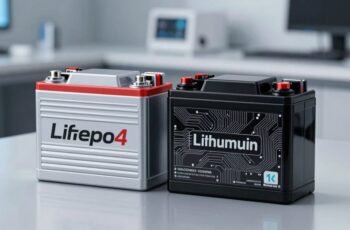
Imagine choosing between two vehicles: one offers speed but needs frequent refueling, while the other is more durable with a longer range. That’s how it feels when comparing LiFePO4 batteries to lithium-ion ones. Their differences in chemistry, safety, and lifespan can considerably impact your projects. Understanding these distinctions helps you pick the right power source, but the details might surprise you—so let’s explore what sets these batteries apart.
Key Takeaways
- LiFePO4 has better thermal stability and safety, reducing fire risk compared to lithium-ion batteries.
- Lithium-ion batteries generally offer higher energy density and lighter weight for portable devices.
- LiFePO4 batteries last longer, with over 2,000 cycles, whereas lithium-ion typically lasts 500-1,000 cycles.
- Lithium-ion batteries charge faster but are more prone to overheating and safety issues.
- LiFePO4 is more cost-effective over time due to durability, despite higher initial costs.
How Do LiFePO4 and Lithium-Ion Batteries Differ Chemically?
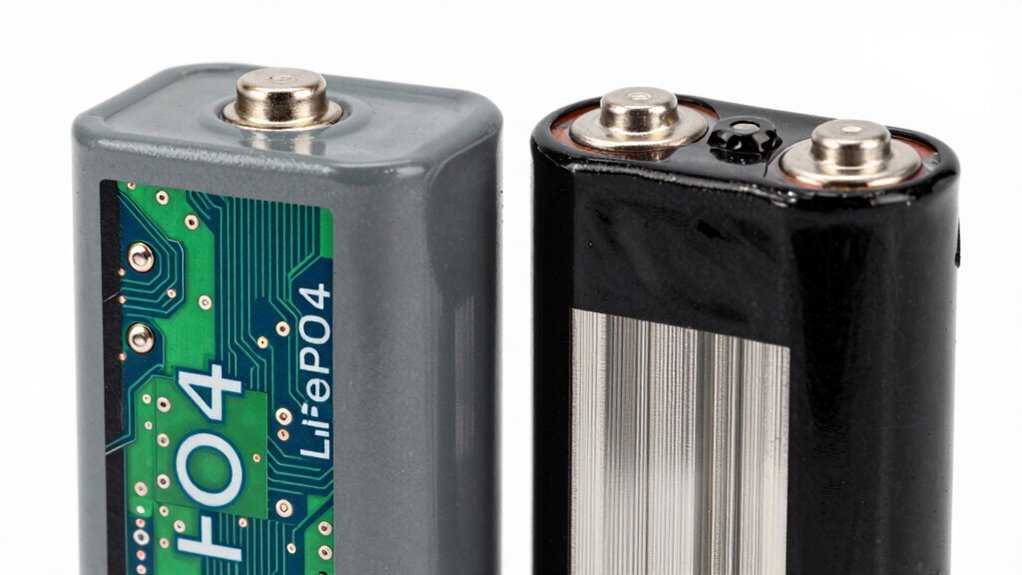
LiFePO4 and lithium-ion batteries differ primarily in their chemical composition, which impacts their performance and stability. LiFePO4 batteries use lithium iron phosphate as their cathode material, offering a stable and safe chemistry. Lithium-ion batteries typically employ materials like cobalt oxide or nickel manganese cobalt oxide. This difference results in distinct electrochemical properties. LiFePO4’s chemistry makes it more resistant to overheating and thermal runaway, contributing to better safety. Meanwhile, lithium-ion batteries with other chemistries often provide higher energy density but can be more susceptible to safety issues. The chemical makeup influences how these batteries charge, discharge, and age over time. Understanding these chemical differences helps us grasp why each type suits different applications.
Are LiFePO4 Batteries Safer Than Lithium-Ion?
Although lithium-ion batteries are widely used, LiFePO4 batteries are generally considered safer due to their more stable chemical composition. This stability reduces the risk of thermal runaway, fires, or explosions. LiFePO4’s chemical structure prevents the rapid release of energy that can happen with traditional lithium-ion cells. To compare safety features:
| Feature | Lithium-Ion | LiFePO4 |
|---|---|---|
| Thermal Stability | Less stable, prone to overheating | More stable, resistant to heat |
| Fire Risk | Higher risk of fire | Lower risk of fire |
| Explosion Potential | Possible under damage or misuse | Very unlikely |
| Chemical Stability | Less stable | More stable |
This makes LiFePO4 batteries a safer choice for many applications.
Which Battery Lasts Longer: LiFePO4 or Lithium-Ion?
When comparing how long LiFePO4 and lithium-ion batteries last, cycle life and durability are key factors. We also look at how well each handles charge and discharge rates over time. Let’s explore which battery type truly offers greater longevity.
Cycle Life Durability
Determining which battery type lasts longer depends largely on their cycle life, or how many charge and discharge cycles they can endure before their capacity diminishes markedly. LiFePO4 batteries generally have a longer cycle life, often exceeding 2,000 cycles with minimal capacity loss. Lithium-ion batteries typically sustain around 500 to 1,000 cycles before their capacity drops considerably. This durability makes LiFePO4 more suitable for applications requiring frequent cycling, such as solar energy storage or electric vehicles. Lithium-ion batteries, while still durable, tend to wear out sooner under heavy use. Overall, if longevity and cycle durability are priorities, LiFePO4 batteries usually outperform lithium-ion options, providing a more reliable and long-lasting power source over time.
Charge and Discharge Rates
Have you ever wondered which battery type can handle faster charging and discharging? Both LiFePO4 and lithium-ion batteries have distinct capabilities.
- Lithium-ion batteries typically charge faster, often reaching 80% in 30 minutes, whereas LiFePO4 takes longer.
- LiFePO4 batteries can discharge at higher rates, making them better suited for demanding applications.
- Lithium-ion batteries usually have a lower discharge rate, which can limit their use in high-drain devices.
- For repeated fast charging and discharging cycles, LiFePO4 batteries tend to maintain their performance longer, thanks to their stable chemistry.
In short, LiFePO4 batteries excel in high-rate discharges and durability, while lithium-ion batteries prioritize quick charging.
How Do These Batteries Perform in Solar and EV Applications?
When it comes to solar and EV applications, we find that both batteries excel in different areas. LiFePO4 batteries offer higher charging efficiency, more stable power delivery, and better cycle longevity, making them a strong choice for demanding use. Understanding these performance aspects helps us determine which battery best suits specific energy storage needs.
Charging Efficiency and Cycles
How well do LiFePO4 and lithium-ion batteries handle charging efficiency and lifespan in solar and EV applications? LiFePO4 batteries excel in longevity and consistent performance, while lithium-ion variants often have shorter cycle lives. Specifically:
- LiFePO4 batteries typically offer 2,000 to 3,000 charge cycles with minimal capacity loss, making them ideal for long-term use.
- Lithium-ion batteries usually provide 500 to 1,500 cycles, with capacity declining faster over time.
- Charging efficiency for LiFePO4 hovers around 95%, resulting in less energy loss during recharging.
- Lithium-ion batteries are slightly less efficient, around 90-95%, but can still perform well if managed properly.
Power Delivery and Stability
In solar and EV applications, the ability of batteries to deliver stable power is vital for performance and safety. Lifepo4 batteries excel in this area due to their flat voltage curve, providing consistent power output throughout discharge. They handle high current demands without significant voltage drops, making them reliable for demanding applications. Lithium-ion batteries, on the other hand, often show a varying voltage profile, which can lead to less predictable power delivery. While lithium-ion batteries can deliver high peak power, they may experience voltage sag under sustained loads. Overall, Lifepo4 batteries offer superior stability and dependable power delivery, ensuring safer operation and more consistent performance in solar and electric vehicle systems. This stability is essential for maintaining system efficiency and safety.
Longevity in Usage Cycles
The durability of a battery over many charge and discharge cycles directly impacts its usefulness in solar and EV applications. Lifepo4 batteries typically last longer, offering about 2,000 to 3,000 cycles, while lithium-ion batteries usually provide around 500 to 1,500 cycles.
- Lifepo4 batteries maintain capacity better over time, making them ideal for long-term use.
- Lithium-ion batteries tend to degrade faster, needing replacement sooner.
- Lifepo4’s longer cycle life reduces overall maintenance and replacement costs.
- Lithium-ion’s shorter lifespan can lead to more frequent replacements, increasing operational costs.
In solar and EV setups, longevity means fewer replacements, increased reliability, and lower lifecycle expenses—key factors in choosing the right battery.
What Is the Cost Difference Between LiFePO4 and Lithium-Ion Batteries?
LiFePO4 batteries generally cost more upfront than traditional lithium-ion batteries, but the overall expense depends on several factors. While the initial price is higher, LiFePO4 batteries often save money in the long run due to their longer lifespan and better safety profile. The table below highlights key cost aspects:
| Feature | Lithium-Ion | LiFePO4 |
|---|---|---|
| Initial Cost | Lower | Higher |
| Lifespan | Shorter | Longer |
| Maintenance | Moderate | Lower |
| Replacement Frequency | More frequent | Less frequent |
| Safety | Moderate risk | Safer, less risk of fire |
Considering these factors, the true cost difference depends on usage needs and long-term value.
Which Battery Is Right for Your Needs? Key Factors to Consider
Choosing the right battery depends on your specific needs, since each type offers distinct advantages and limitations. To determine the best fit, consider these key factors:
- Application: Are you powering a small device or an electric vehicle? Different batteries excel in different uses.
- Lifespan: Do you need a long-lasting solution? Lifepo4 batteries generally last longer than lithium-ion ones.
- Safety: Will the battery be used in sensitive environments? Lifepo4 batteries are known for their thermal stability and safety.
- Cost: What’s your budget? While Lifepo4 batteries may cost more upfront, they can be more economical over time due to durability.
Evaluating these factors helps you choose a battery tailored to your specific project or lifestyle.
Summary: Choosing the Best Battery for Your Project
Selecting the right battery for your project requires careful consideration of your specific needs and priorities. Think about factors like lifespan, safety, weight, and cost. Lifepo4 batteries excel in safety and longevity, making them ideal for large or long-term projects. Lithium-ion batteries are lighter and deliver higher energy density, perfect for portable devices. To help decide, consider this comparison:
| Feature | Lifepo4 | Lithium-ion | Best For |
|---|---|---|---|
| Safety | Very safe | Moderate risk | Safety-critical projects |
| Lifespan | Long (2000+ cycles) | Shorter (500-1000 cycles) | Long-term use |
| Weight | Heavier | Lighter | Portable applications |
Choose based on your project’s priorities—safety and durability or weight and energy density.
Frequently Asked Questions
Can Lifepo4 Batteries Be Recycled Easily?
Yes, lifepo4 batteries can be recycled, though the process is more complex than recycling some other types. We encourage proper disposal through specialized recycling centers to recover valuable materials and reduce environmental impact.
How Do Temperature Ranges Affect Battery Performance?
Temperature ranges greatly influence battery performance. We find that high temperatures can cause overheating and capacity loss, while cold temperatures reduce efficiency and power output. Maintaining ideal conditions ensures longevity and reliable operation of lithium-ion and Lifepo4 batteries.
Are There Environmental Impacts of Manufacturing These Batteries?
Environmental impacts of manufacturing these batteries are significant; for example, producing lithium-ion batteries consumes vast water resources and generates hazardous waste. We recognize the importance of sustainable practices and are working towards minimizing ecological footprints in battery production.
What Are the Charging Time Differences?
We find that LiFePO4 batteries typically charge slower than lithium-ion ones, often taking around 4-6 hours, whereas lithium-ion batteries usually charge in 1-3 hours, depending on the charger and battery capacity.
How Do They Handle Deep Discharges?
Deep discharges are handled better by LiFePO4 batteries, which tolerate them without damage, unlike lithium-ion batteries that risk capacity loss or failure. We prefer LiFePO4 for safety and longevity in demanding applications.
Conclusion
In the end, choosing between LiFePO4 and lithium-ion batteries is like selecting a trusty steed for different quests—each has its strengths. LiFePO4’s safety and longevity make it ideal for high-stakes, long-term use, much like a dependable steed from days of old. We recommend weighing your needs carefully, considering safety, lifespan, and cost. After all, in this modern age, picking the right battery is essential—just like choosing the right sword for battle.