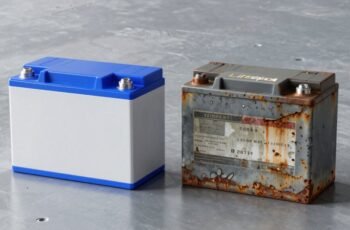
Choosing between Lifepo4 and lithium-ion batteries isn’t a simple matter of better or worse; each has strengths that suit different needs. While Lifepo4 offers durability and safety, lithium-ion batteries excel in energy density and weight. The decision hinges on what matters most for your application, but understanding these differences can be complex. So, how do you decide which battery is truly right for you?
Key Takeaways
- Lifepo4 offers greater safety, stability, and longer cycle life, making it ideal for demanding or stationary applications.
- Lithium-ion provides higher energy density and lighter weight, suitable for portable devices and electric vehicles.
- Lifepo4 has lower maintenance and better thermal stability, reducing risk and long-term costs.
- Lithium-ion charges faster but is more sensitive to temperature and voltage fluctuations.
- The choice depends on whether priority is safety and longevity (Lifepo4) or size and performance (Lithium-ion).
What Are the Main Differences Between Lifepo4 and Lithium-Ion Batteries?
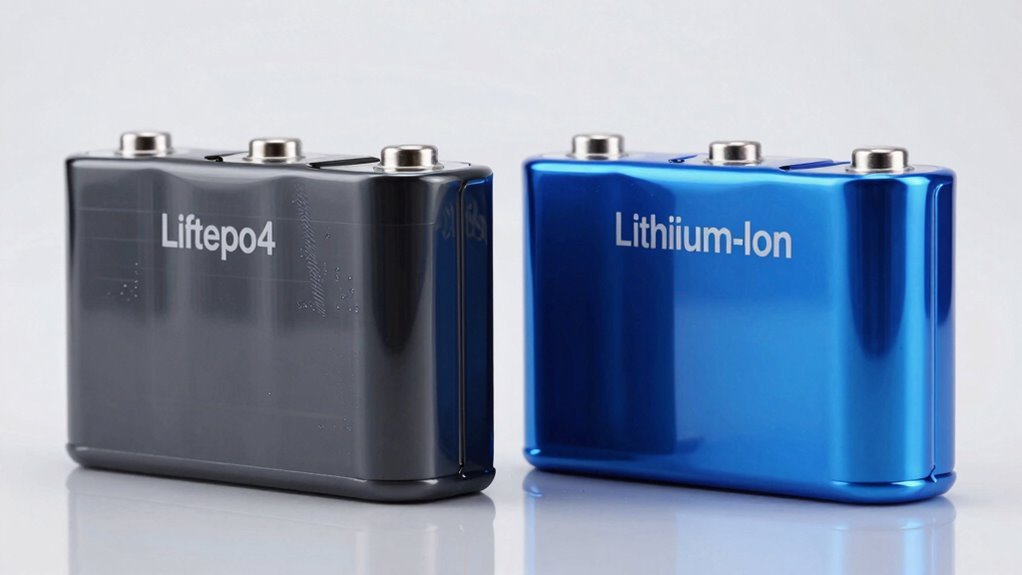
Although both Lifepo4 and lithium-ion batteries are popular energy storage options, they have distinct differences that impact their performance and applications. Lifepo4 batteries use phosphate-based cathodes, making them more stable and safer under stress. They typically have a lower energy density than lithium-ion batteries, which means they store less power in the same size. However, Lifepo4 batteries excel in longevity, often lasting thousands of cycles, compared to lithium-ion’s shorter lifespan. Lithium-ion batteries, on the other hand, use different cathode chemistries that allow for higher energy density, making them ideal for portable devices. They also charge faster but are more sensitive to temperature and voltage fluctuations. These core differences influence their suitability for various uses, from renewable energy storage to portable electronics.
Which Battery Is Safer and More Durable?
When comparing safety and durability, Lifepo4 batteries generally come out ahead due to their chemical stability and robust construction. Lifepo4’s stable chemistry makes them less prone to thermal runaway, reducing the risk of fires or explosions. They also handle impacts and punctures better, with less chance of leakage or damage. In terms of longevity, Lifepo4 batteries typically last longer—often over 2,000 cycles—maintaining capacity better over time. Lithium-ion batteries, while efficient, are more sensitive to high temperatures and can degrade faster if not properly managed. Overall, Lifepo4 offers a safer, more reliable option, especially in demanding or high-risk environments. Their durability makes them a trusted choice for applications where safety and longevity are critical.
How Do Lifepo4 and Lithium-Ion Batteries Compare in Cost?
When comparing Lifepo4 and lithium-ion batteries, we see that Lifepo4 usually costs more upfront but offers better long-term savings. Maintenance and replacement expenses also tend to be lower with Lifepo4, making it more cost-effective over time. Ultimately, understanding these cost differences helps us choose the best option for our needs.
Initial Purchase Price Differences
Lifepo4 batteries generally have a higher initial purchase price than lithium-ion batteries, but the gap isn’t as wide as many assume. While Lifepo4 cells cost more upfront, the price difference is narrowing as technology advances. Here’s a quick comparison:
| Feature | Cost Impact |
|---|---|
| Manufacturing complexity | Slightly higher for Lifepo4 |
| Material costs | Slightly more expensive for Lifepo4 |
| Long-term savings | Potentially offset initial costs |
Long-Term Cost Efficiency
Although Lifepo4 batteries typically cost more upfront, their long-term cost efficiency can be more favorable compared to lithium-ion batteries. Lifepo4 batteries generally have a longer lifespan, often lasting 2,000 to 3,000 charge cycles, versus 500-1,000 for lithium-ion. This means fewer replacements over time, reducing overall expenses. Additionally, Lifepo4 batteries are more stable and less prone to capacity loss, which helps maintain their performance longer. They also tend to operate safely at higher temperatures, lowering cooling costs. While the initial investment is higher, the durability and longevity of Lifepo4 batteries translate into lower replacement and maintenance costs over their lifespan, making them a more economical option in the long run.
Maintenance and Replacement Expenses
Maintenance and replacement costs vary considerably between Lifepo4 and lithium-ion batteries. Lifepo4 batteries generally require less maintenance due to their robust chemistry and stability, leading to fewer repairs and longer intervals between replacements. Lithium-ion batteries, on the other hand, tend to need more frequent replacements and maintenance to address potential capacity loss and safety concerns.
| Battery Type | Estimated Maintenance Cost | Replacement Interval |
|---|---|---|
| Lifepo4 | Low | 8-10 years |
| Lithium-Ion | Moderate | 3-5 years |
| Battery Type | Common Repairs/Costs | Lifespan |
| Lifepo4 | Minimal, mostly preventive | Longer lifespan |
| Lithium-Ion | Higher, due to degradation | Shorter lifespan |
Which Battery Lasts Longer and Performs Better?
When comparing battery longevity and performance, it’s clear that each type has its own strengths. Lifepo4 batteries generally last longer, often around 2,000 to 3,000 cycles, and maintain stable performance over time. Lithium-ion batteries usually offer higher energy density, meaning they provide more power in a smaller size, but tend to degrade faster with around 500 to 1,000 cycles.
Consider these points:
- Lifepo4 batteries excel in lifespan and stability.
- Lithium-ion batteries deliver more energy in a compact form.
- Lifepo4’s performance remains steady over many cycles, while lithium-ion performance can decline more quickly.
Both have their advantages depending on your needs, but longevity and consistent performance favor Lifepo4.
Which Battery Is Best for Solar, Electric Vehicles, or Portable Devices?
When choosing batteries for solar, electric vehicles, or portable devices, we consider energy density and storage capacity to meet different needs. Cost and longevity also play vital roles in determining which battery type offers the best overall value. Let’s explore how Lifepo4 and lithium-ion batteries compare in these key areas.
Energy Density and Storage
Energy density is a key factor when choosing batteries for applications like solar energy storage, electric vehicles, or portable devices, as it determines how much power can be stored in a compact space. Lithium-ion batteries generally have a higher energy density than LiFePO4, meaning they pack more energy into the same size. This makes them ideal for space-constrained uses, like smartphones or electric cars. On the other hand, LiFePO4 batteries tend to be larger for the same capacity but offer better thermal stability.
- Lithium-ion batteries are lighter and more space-efficient.
- LiFePO4 batteries are bulkier but more stable and safer.
- The choice depends on whether you prioritize size, weight, or safety.
Cost and Longevity
Although lithium-ion and LiFePO4 batteries have different strengths, their cost and longevity often determine which option is best for specific applications like solar energy storage, electric vehicles, or portable devices. Lithium-ion batteries typically cost more upfront but offer higher energy density and faster charging, making them ideal for portable electronics. However, they generally have a shorter lifespan, usually around 2-3 years or 300-500 charge cycles. LiFePO4 batteries tend to be more affordable over time, with longer cycle lives of 2,000 to 3,000 cycles, translating to 8-10 years. Their greater stability also means they’re safer and more durable for stationary applications like solar energy storage and electric vehicles. Ultimately, choosing depends on balancing initial costs with long-term reliability.
Lifepo4 vs Lithium-Ion: Pros and Cons to Help You Decide
Choosing between Lifepo4 and lithium-ion batteries depends on understanding their respective strengths and weaknesses. Lifepo4 batteries excel in safety, longevity, and thermal stability, making them ideal for long-term use and high-demand applications. In contrast, lithium-ion batteries are known for higher energy density, lighter weight, and faster charging, which benefit portable devices and electric vehicles. However, lithium-ion batteries can be more prone to overheating and have a shorter lifespan.
- Lifepo4 offers enhanced safety and durability, but is bulkier and has slightly lower energy density.
- Lithium-ion provides more power in a smaller package, yet requires careful thermal management.
- Your choice hinges on balancing safety, capacity, weight, and how you plan to use the battery.
Frequently Asked Questions
How Do Environmental Impacts Differ Between Lifepo4 and Lithium-Ion Batteries?
We believe Lifepo4 batteries are more environmentally friendly because they contain fewer toxic materials and are easier to recycle, whereas lithium-ion batteries involve more hazardous chemicals and pose greater challenges in disposal and environmental impact.
Are Lifepo4 Batteries More Environmentally Friendly Than Lithium-Ion?
We believe LiFePO4 batteries are more environmentally friendly, like clear mountain streams compared to the murky waters of traditional lithium-ion. They pose fewer risks during disposal and use, making them a cleaner, safer choice for our planet.
Can Lifepo4 Batteries Handle Higher Charging Cycles Than Lithium-Ion?
We believe lifepo4 batteries handle higher charging cycles than lithium-ion ones, offering greater longevity and durability. Their ability to withstand more charge-discharge cycles makes them a reliable choice for long-term energy storage solutions.
Which Battery Type Performs Better in Extreme Temperatures?
We believe Lifepo4 batteries perform better in extreme temperatures because they maintain stability and safety, handle cold and heat more reliably, and resist thermal runaway, making them a safer, more consistent choice for challenging environments.
Are There Specific Safety Concerns for Each Battery Type During Manufacturing?
During manufacturing, we find safety concerns include Li-ion batteries’ flammable electrolytes, risking fires, while Lifepo4 batteries are more stable but require careful handling of materials to prevent contamination and guarantee proper assembly safety protocols.
Conclusion
Just as the phoenix rises anew, choosing the right battery depends on what we value most—safety, longevity, or portability. Lifepo4 and lithium-ion each have their strengths, like the enduring flame or the swift spark. By understanding their differences, we can make smarter choices, ensuring our devices and energy solutions soar with confidence. After all, in the quest for power, it’s about finding the right fit for our unique journey.