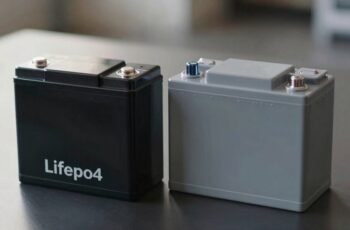
When comparing LiFePO4 and lead acid batteries, understanding which lasts longer can substantially impact your investment and ongoing maintenance. Both types serve different needs, but their longevity varies based on chemistry, usage, and cost. We’ll explore how each performs over time and what factors influence their lifespan, helping you make an informed decision that aligns with your expectations and budget. The key insights might surprise you.
Key Takeaways
- Lifepo4 batteries typically last 2,000 to 5,000 cycles (8-15 years), significantly longer than lead acid’s 500 to 1,000 cycles (3-5 years).
- Proper maintenance and optimal usage extend Lifepo4 lifespan, whereas lead acid batteries degrade faster with regular watering and maintenance.
- High temperatures accelerate aging in both types, but Lifepo4 tolerates temperature variations better, enhancing longevity.
- Deep discharges reduce lead acid battery lifespan more severely than Lifepo4, which handles deeper cycles more effectively.
- Overall, Lifepo4 offers a longer lifespan and better durability, making it more cost-effective over time despite higher initial costs.
Which Lasts Longer: LiFePO4 or Lead Acid Batteries?
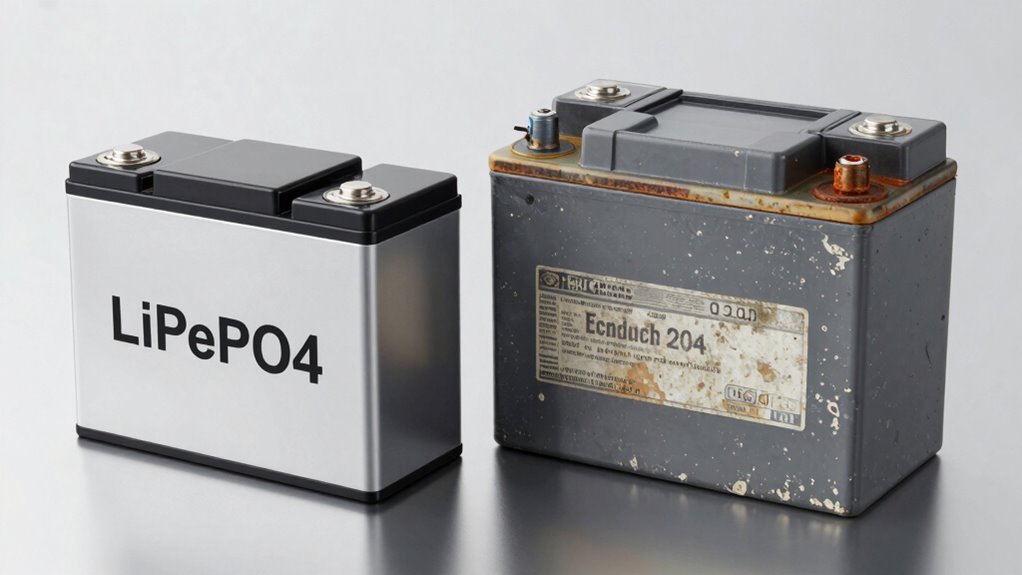
When comparing the lifespan of LiFePO4 and lead acid batteries, it’s clear that lithium iron phosphate (LiFePO4) batteries generally last longer. They typically offer around 2,000 to 5,000 charge cycles, which translates to 8 to 15 years of reliable use, depending on usage conditions. In contrast, lead acid batteries usually provide about 500 to 1,000 cycles, lasting roughly 3 to 5 years. This longer lifespan means fewer replacements and less maintenance over time. Additionally, LiFePO4 batteries tend to maintain their capacity better throughout their lifespan, providing consistent power output. So, if longevity is your priority, LiFePO4 batteries clearly outperform lead acid options, making them a smarter investment for many applications.
Understanding Battery Lifespan: Key Factors and Definitions
Understanding what influences battery lifespan helps us make better choices. Factors like usage patterns, maintenance, and temperature play a big role in how long batteries last. Let’s explore how these elements define and impact battery durability.
Factors Affecting Battery Durability
Battery durability is influenced by a variety of factors that determine how long a battery will perform effectively. First, the depth of discharge matters; frequent deep discharges shorten lifespan, especially in lead-acid batteries. Temperature also plays a essential role—high heat accelerates chemical aging, while cold can reduce capacity temporarily. Charging practices are crucial; overcharging or undercharging can damage the cells over time. Additionally, the quality of the battery’s materials impacts durability—better materials typically mean longer life. Usage patterns, including cycling frequency and load demands, also affect longevity. Proper maintenance, like keeping terminals clean and ensuring correct charging routines, can extend the lifespan. Ultimately, understanding these factors helps us optimize battery performance and choose the right type for our needs.
Defining Battery Life Span
The lifespan of a battery refers to the total duration it can provide reliable performance before it becomes ineffective or needs replacement. To understand this better, we consider key factors that define battery lifespan. First, cycles indicate how many complete charge-discharge rounds the battery can handle. Second, calendar life refers to the total time the battery remains usable, regardless of usage. Third, depth of discharge (DoD) impacts lifespan; deeper discharges shorten it. Fourth, temperature plays a vital role—extreme heat or cold can accelerate degradation. By understanding these factors, we can better gauge how long a battery, like LiFePO4 or lead acid, will serve us effectively. Ultimately, a clear definition helps in making informed choices for different applications.
How Long Do LiFePO4 Batteries Typically Last?
Ever wondered how long LiFePO4 batteries actually last? On average, these batteries can endure between 2,000 to 4,000 charge cycles, which translates to roughly 8 to 15 years of reliable use. Their longevity often surpasses traditional lead-acid batteries because they maintain capacity longer over their lifespan. The key factors that influence their lifespan include proper maintenance, avoiding deep discharges, and operating within recommended temperature ranges. Unlike lead-acid batteries, which typically last 3 to 5 years, LiFePO4 units offer a considerably longer service life with consistent performance. This extended durability makes them ideal for applications where longevity and reliability are critical, such as solar energy systems, electric vehicles, and backup power solutions.
How Long Do Lead Acid Batteries Usually Last?
While LiFePO4 batteries boast impressive longevity, traditional lead-acid batteries tend to have a shorter lifespan. Typically, a lead-acid battery lasts about 3 to 5 years, depending on usage and maintenance. Several factors influence their longevity:
- Cycle count – Usually around 300 to 500 full charge-discharge cycles.
- Maintenance – Proper electrolyte levels and regular checks extend lifespan.
- Depth of discharge – Frequent deep discharges shorten battery life.
- Operating conditions – Excessive heat or cold accelerates wear and reduces lifespan.
Understanding these factors helps set realistic expectations for lead-acid battery performance and highlights why they generally don’t last as long as LiFePO4 options.
How Charging Cycles Impact Battery Longevity
Charging cycles play a vital role in how long batteries last, as each cycle causes some degradation over time. We can extend battery life by following ideal charging practices, like avoiding deep discharges and overcharging. Understanding how these cycles affect lifespan helps us make smarter decisions about maintenance and usage.
Charging Cycles and Battery Degradation
Charging cycles are a key factor in determining how long a battery will last, as each cycle contributes to the gradual buildup of wear and tear. Over time, repeated charge and discharge weaken the battery’s internal structure, leading to capacity loss. For example, lithium iron phosphate (LiFePO4) batteries typically endure more cycles before degrading compared to lead-acid batteries. The impact of cycles depends on several factors:
- Depth of Discharge (DoD): Deeper discharges accelerate degradation.
- Charge Rate: Faster charging can stress the battery.
- Temperature: High temperatures speed up wear.
- Number of Cycles: More cycles result in greater capacity loss over time.
Understanding these factors helps us appreciate how charge management influences battery longevity.
Optimal Charging Practices
Adopting ideal charging practices is essential for maximizing battery lifespan, as improper charging habits can accelerate wear and reduce overall capacity. We recommend avoiding full discharges and overcharging, as these stress the battery and shorten its life. For Lifepo4 batteries, keeping the charge level between 20% and 80% helps preserve cell integrity, while Lead Acid batteries benefit from regular topping-off to prevent deep discharges. Fast charging can generate excess heat, which damages battery components over time, so it’s best to use moderate charging rates. Consistent, controlled charging cycles minimize stress and slow degradation. By following these practices, we can notably extend the longevity of both Lifepo4 and Lead Acid batteries, ensuring they perform reliably over many years.
Temperature and Usage: How They Affect Your Battery’s Life
Temperature and usage conditions play a crucial role in determining the lifespan of both LiFePO4 and lead-acid batteries. High temperatures accelerate chemical reactions, causing faster degradation, while cold temperatures can reduce capacity temporarily. Similarly, frequent deep discharges and high current loads stress batteries, shortening their life. To optimize longevity, consider these factors:
- Avoid extreme temperatures—keep batteries within recommended ranges.
- Limit deep discharges—avoid draining batteries completely.
- Reduce high current draws—use batteries within their rated current.
- Store batteries properly—in cool, dry environments when not in use.
Understanding these influences helps us maintain batteries better and extend their usable life, regardless of type.
Cost and Value: Is a Higher Price Justified by Longer Lifespan?
While higher upfront costs can seem intimidating, many consumers wonder whether investing in a more expensive battery truly pays off in the long run. Lifepo4 batteries typically have a higher initial price than lead-acid batteries, but their longer lifespan can make them more cost-effective over time. Lifepo4 batteries often last four to five times longer, reducing replacement frequency and maintenance costs. They also tend to be more efficient, meaning you get more usable energy from each charge. Although the initial investment is higher, the savings in replacements, repairs, and energy efficiency can justify the expense. Ultimately, if you’re looking for durability and long-term value, the higher price of Lifepo4 batteries can be a smart, cost-efficient choice.
Maintenance Tips to Extend Your Battery’s Lifespan
Investing in a Lifepo4 battery’s longer lifespan makes proper maintenance even more worthwhile. To keep it performing at its best, follow these tips:
- Keep it charged: Avoid letting the battery fully discharge, as deep cycles can reduce lifespan.
- Maintain proper voltage: Regularly check voltage levels to prevent overcharging or undercharging.
- Store correctly: When not in use, store the battery in a cool, dry place at around 50% charge.
- Clean terminals: Keep terminals free of corrosion and dirt for peak conductivity.
Which Battery Offers Better Value Over Its Life?
When considering overall value, we look at the total lifecycle cost, including purchase price, maintenance, and replacement expenses. Lifepo4 batteries tend to have a higher upfront cost but often save money over time through lower maintenance and longer life. Lead acid batteries may be cheaper initially but can add up with frequent replacements and upkeep.
Total Lifecycle Cost
Determining which battery offers better value over its lifespan requires examining the total lifecycle cost, including initial purchase price, maintenance expenses, and replacement frequency. Lifepo4 batteries generally have a higher upfront cost but tend to save money long-term. Consider these factors:
- Initial purchase price: Lifepo4 batteries are more expensive initially, but lead-acid batteries are cheaper upfront.
- Longevity: Lifepo4 batteries last 8-10 years, reducing replacement costs, while lead-acid batteries typically last 3-5 years.
- Efficiency: Lifepo4 batteries have higher depth of discharge, meaning you get more usable energy per cycle.
- Overall costs: When considering replacement frequency and efficiency, Lifepo4 batteries often prove more economical over their lifespan, offering better value despite the higher initial investment.
Maintenance and Replacement
Have you ever wondered which battery type requires less maintenance and replacement over its lifespan? We find that Lifepo4 batteries generally demand less upkeep than lead-acid ones. Lifepo4 cells are more stable, with fewer issues like sulfation or water loss, meaning they don’t need regular watering or equalization charges. They’re also more durable, often lasting 3,000 to 5,000 cycles, compared to 500 to 1,000 cycles for lead-acid batteries. This extended lifespan reduces the frequency of replacements, saving money over time. Additionally, Lifepo4 batteries require less routine maintenance, making them more convenient and reliable. Overall, while the initial cost may be higher, Lifepo4 batteries tend to offer better value over their lifetime due to lower maintenance needs and fewer replacements.
Top Tips to Maximize Your Battery’s Durability
To get the most out of your battery, maintaining proper care is vital by following some simple yet effective maintenance tips. First, avoid deep discharges; keep the battery within ideal charge levels to prevent stress. Second, guarantee your batteries are stored in a cool, dry place—extreme heat accelerates degradation. Third, regularly inspect for corrosion or loose connections, as these can reduce performance. Fourth, use a compatible charger and avoid overcharging, which can harm the battery’s lifespan. Following these steps helps maintain capacity and prolongs life. Consistent care, combined with proper usage habits, makes a significant difference in maximizing your battery’s durability and overall performance.
Frequently Asked Questions
Are Lifepo4 Batteries More Environmentally Friendly Than Lead Acid Ones?
Yes, we believe Lifepo4 batteries are more environmentally friendly because they last longer, contain fewer toxic materials, and are easier to recycle. This reduces waste and pollution, making them a better choice for eco-conscious consumers.
How Do Different Brands of Each Battery Type Compare in Lifespan?
We find that different brands of Lifepo4 and lead acid batteries vary considerably in lifespan. Some Lifepo4 brands last up to 10 years, while certain lead acid options may only last 3-5 years, depending on quality and usage.
Can You Upgrade From Lead Acid to Lifepo4 Easily?
Switching from lead acid to LiFePO4 is like upgrading from a bicycle to a sports car; we can often do it, but it requires compatible chargers and potential system adjustments. Consult a professional to guarantee a smooth changeover.
What Are the Safety Considerations for Each Battery Type?
We prioritize safety by handling lead acid batteries carefully to prevent leaks and explosions, and ensuring proper ventilation. For Lifepo4, we avoid overcharging and high temperatures, as they can cause thermal runaway, ensuring safe operation for both types.
How Do Storage Conditions Affect Long-Term Battery Lifespan?
Poor storage conditions shorten battery lifespan, while proper storage—cool, dry, and partially charged—prolongs it. We’ve learned that neglecting storage needs causes quicker degradation, but attentive care extends batteries’ usefulness considerably.
Conclusion
In the end, choosing between LiFePO4 and lead acid batteries is like selecting the right vessel for a long voyage. LiFePO4 batteries, with their longer lifespan and resilience, are our sturdy, reliable ships that weather the storms of repeated use. While they might seem more costly upfront, their durability guarantees smoother sailing in the long run. We believe investing in LiFePO4 is like planting a seed for a future of dependable energy that grows stronger with time.