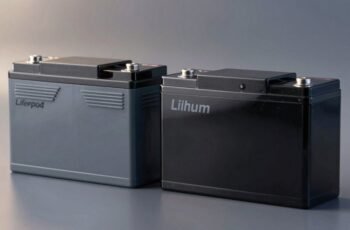
When comparing LiFePO4 and lead acid batteries, weight is a key factor that can influence your project’s design and portability. We recognize how vital it is to choose the right option, especially when space and weight constraints come into play. But how much does each type really weigh, and why does it matter? Let’s explore the differences and see which battery better fits your needs.
Key Takeaways
- Lifepo4 batteries typically weigh 30-50% less than lead acid equivalents of the same capacity.
- A 10 kWh Lifepo4 battery weighs around 25-35 pounds, while lead acid batteries can weigh twice as much.
- Reduced weight in Lifepo4 batteries enhances portability and simplifies installation.
- Lead acid batteries are generally heavier, making them less suitable for portable or space-constrained applications.
- Weight differences significantly influence system design, transport, and overall project flexibility.
What Are Lifepo4 and Lead Acid Batteries?
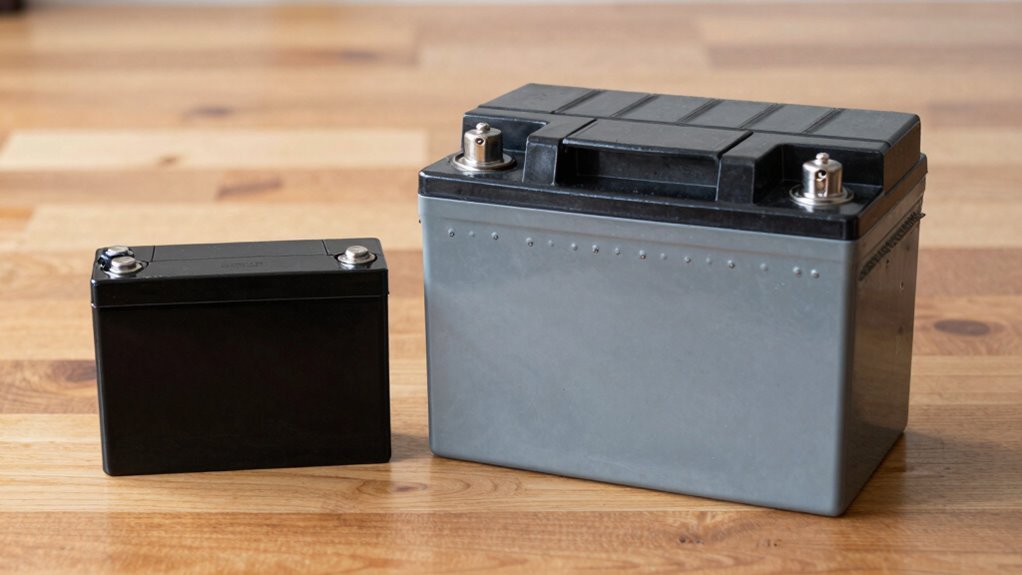
Lifepo4 and lead acid batteries are two common types of rechargeable batteries used in various applications. Lifepo4, or lithium iron phosphate batteries, are known for their high energy density, longer lifespan, and improved safety features. They deliver consistent power and are often used in electric vehicles, solar energy storage, and portable devices. Lead acid batteries, on the other hand, are among the oldest rechargeable batteries, widely used in automotive starting, backup power, and industrial settings. They are generally heavier, less efficient, and have a shorter cycle life than Lifepo4 batteries. Despite these differences, both types provide reliable energy storage solutions, but their design and performance characteristics suit different needs and applications.
How Do Their Weights Compare?
While both Lifepo4 and lead acid batteries serve similar functions, their weights differ considerably, impacting their suitability for various applications. Lifepo4 batteries are particularly lighter, often weighing about 30-50% less than lead acid equivalents of the same capacity. For example, a 100Ah Lifepo4 battery may weigh around 25-30 pounds, whereas a lead acid battery of similar capacity can weigh 60-70 pounds. This significant weight difference makes Lifepo4 batteries more convenient for portable or space-constrained setups. The lighter weight also reduces strain on supporting structures and makes installation easier. Overall, Lifepo4 batteries provide a substantial weight advantage, especially in applications where reducing weight is critical.
Why Does Battery Weight Matter for Your Project?
Battery weight directly affects how portable and easy it is to transport your project, especially if you’re on the go. It also influences how efficiently you can use space in your design, which can be critical for compact setups. Ultimately, lighter batteries help you stay within weight limits and improve overall performance.
Portability and Ease of Transport
When considering portable energy solutions, weight plays a essential role in how easily we can move and handle the batteries. Lighter batteries, like Lifepo4, make transportation simpler, reducing strain and making setup quicker. They’re especially beneficial for applications where mobility is important, such as RVs, boats, or off-grid systems. Heavier lead-acid batteries can be cumbersome, requiring more effort and sometimes additional equipment to carry. This extra weight can limit where and how often we can transport them, impacting overall convenience. Additionally, lighter batteries decrease the risk of injury during handling. Overall, choosing a battery with a manageable weight improves portability, making our projects more flexible and less labor-intensive. That’s why weight is a critical factor when considering ease of transport.
Space Efficiency in Designs
Choosing a battery with the right weight can considerably influence how we design and utilize our projects. Lighter batteries, like Lifepo4, free up space, allowing for more compact and versatile designs. This is especially important in applications where space is limited, such as portable devices, electric vehicles, or robotics. A heavy lead acid battery can force us to allocate extra room or reinforce structures to support the weight, which adds bulk and complexity. Conversely, a lighter battery enables us to optimize our layout, reduce overall size, and improve portability. By focusing on space efficiency, we can create more streamlined, efficient systems that maximize functionality without sacrificing performance. Ultimately, selecting a battery that balances weight and capacity helps us design smarter, more adaptable projects.
Impact on Overall Weight Constraints
Since weight directly affects the overall design and performance of our projects, it’s essential to take into account how the battery’s mass fits into our weight constraints. Heavier batteries can limit mobility, increase structural requirements, and reduce payload capacity. Choosing a lighter battery, like Lifepo4, can help us meet strict weight limits without sacrificing energy capacity. This is especially critical for portable or airborne projects. The key impacts include:
- Enhanced mobility and ease of handling
- Reduced strain on supporting structures
- Increased available payload for other components
- Better overall efficiency and performance
Understanding these factors helps us select batteries that align with our project’s weight goals, ensuring ideal balance between power and portability.
How Heavy Are Lifepo4 Batteries Typically?
Lifepo4 batteries are generally lighter than lead-acid counterparts, making them a popular choice for various applications. Typically, a Lifepo4 battery weighs about 2.5 to 3.5 pounds per kilowatt-hour (kWh). For example, a 10 kWh Lifepo4 battery might weigh around 25 to 35 pounds. This lightweight nature is due to the battery’s high energy density and stable chemistry. In comparison, lead-acid batteries can weigh twice as much for the same capacity, which can *substantially* impact installation and mobility. The lighter weight of Lifepo4 batteries makes them ideal for portable, off-grid, or space-constrained applications. Overall, their manageable weight offers a practical advantage, reducing strain on structures and simplifying transportation.
What Are Lead Acid Battery Weights by Size?
Lead-acid batteries come in a range of sizes, and their weights vary considerably based on capacity and design. Smaller batteries, like those used in motorcycles, can weigh as little as 10-20 pounds. Car batteries, which are larger, typically range from 40 to 60 pounds. Deep-cycle batteries for RVs or boats tend to be heavier, often between 70 and 100 pounds or more. Larger industrial batteries used for backup power or grid storage can weigh hundreds of pounds. The weight depends on factors like plate size, electrolyte volume, and casing material.
Lead-acid battery weights vary from 10 pounds for motorcycles to hundreds for industrial applications.
- Motorcycle batteries: around 10-20 pounds
- Car batteries: 40-60 pounds
- Deep-cycle batteries: 70-100+ pounds
- Industrial batteries: hundreds of pounds
Which Battery Is Best for Your Needs Based on Weight?
Choosing the right battery depends heavily on your specific needs, especially when considering weight. If portability and ease of handling are priorities, Lifepo4 batteries often excel due to their lighter weight and compact design. Lead acid batteries, while heavier, may be suitable for stationary setups where weight isn’t a concern. To help decide, consider this comparison:
| Battery Type | Weight per Ah | Ideal Use Case |
|---|---|---|
| Lifepo4 | Lighter | Portable applications, RVs, solar |
| Lead Acid | Heavier | Stationary, backup power |
| Both | Varies | Depending on size and capacity |
Ultimately, if weight savings matter most, Lifepo4 is the better choice. For stationary or budget needs, lead acid can still be effective.
Frequently Asked Questions
How Does Battery Weight Affect Transportation Costs?
Battery weight directly impacts transportation costs because heavier batteries require more fuel and effort to move. We consider lighter options like Lifepo4, which help us save money and reduce our environmental footprint during transport.
Are Lighter Batteries More Durable Long-Term?
Absolutely, lighter batteries are the marathon runners of durability—if you ignore the fact that weight alone doesn’t guarantee longevity. We believe durability depends more on chemistry and construction than just shedding pounds, after all.
How Does Weight Influence Battery Installation Ease?
Lighter batteries make installation easier because they’re less bulky and easier to handle. We find that considerably reduces effort, speeds up setup, and minimizes strain, making the overall process smoother and more manageable for everyone involved.
Can Weight Differences Impact Battery Lifespan?
Yes, weight differences can impact battery lifespan. Heavier batteries often endure more stress and wear over time, reducing longevity. We recommend considering weight alongside other factors to guarantee peak performance and durability for your specific application.
What Are the Safety Considerations Related to Battery Weight?
Think of battery weight as a ship’s hull—too heavy, and it risks sinking safety; too light, and it might be unstable. We guarantee proper handling, secure mounting, and balanced design to keep safety sailing smoothly.
Conclusion
In the grand tapestry of our projects, choosing the right battery weight can feel like finding the Holy Grail. LiFePO4 batteries, with their feather-light design, offer unmatched portability and flexibility—perfect for those of us who value ease and innovation. Lead acid, while steadfast, feels more like carrying a stone. So, whether you’re forging ahead into new frontiers or simply upgrading, remember: sometimes, lighter truly is brighter, even in the dawn of the digital age.