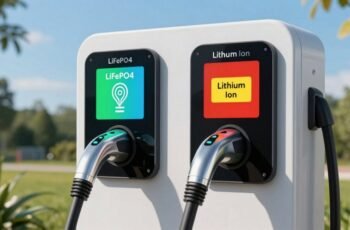
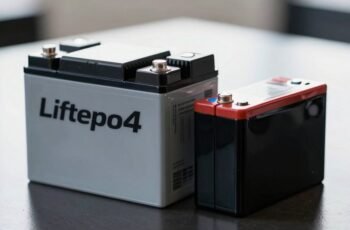
Choosing between Lifepo4 and lithium-ion batteries is like balancing the scales of a seesaw—initial costs on one side, long-term savings on the other. We often find ourselves asking if a higher upfront price is worth the investment, especially when durability and maintenance come into play. As we explore these options, it’s clear that understanding the true cost involves more than just sticker price. So, what factors truly tip the balance in favor of one over the other?
Key Takeaways
- Lifepo4 batteries generally have a higher upfront cost but offer longer lifespan and better durability than lithium-ion batteries.
- Material costs for Lifepo4 are lower due to abundant iron and phosphate, reducing initial price differences.
- Over time, Lifepo4’s longer cycle life lowers replacement and maintenance costs, improving long-term cost-effectiveness.
- Lithium-ion batteries typically require more frequent replacements, increasing total ownership expenses despite lower initial prices.
- Considering total costs—including maintenance, replacements, and lifespan—is essential for accurate cost comparison.
What Factors Influence Battery Cost Differences?
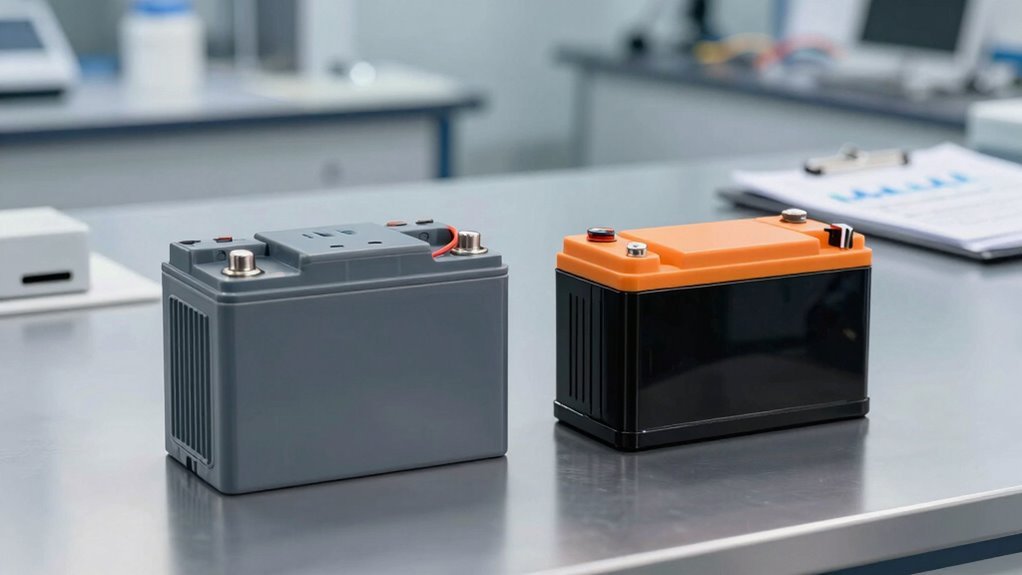
Several key factors drive the cost differences between Lifepo4 and lithium-ion batteries. First, the materials used in each type play a significant role. Lifepo4 batteries utilize iron and phosphate, which are more abundant and cheaper than the cobalt and nickel often found in lithium-ion cells. This naturally lowers production costs for Lifepo4. Second, manufacturing complexity impacts pricing. Lifepo4 cells are generally easier to produce, reducing labor and equipment expenses. Finally, supply chain stability influences costs. Since iron and phosphate are less susceptible to geopolitical issues, Lifepo4 batteries tend to have steadier prices. All these factors combined help explain why Lifepo4 batteries often cost less initially and maintain more predictable pricing over time compared to traditional lithium-ion options.
How Much Do Lithium Batteries Cost Initially?
Lithium batteries come with a wide range of initial costs, depending on their size and intended use. Factors like capacity, brand, and technology can considerably influence the price you pay upfront. Understanding these differences helps us better compare costs across various battery options.
Price Range Differences
Have you ever wondered how much you’ll pay upfront for different lithium battery options? The price range varies quite a bit depending on the type and capacity. Generally, Lifepo4 batteries tend to be more affordable initially, especially for larger capacities. Lithium-ion batteries, on the other hand, often come with a higher price tag, mainly due to their advanced technology and higher energy density. Here’s a quick breakdown:
- Small portable batteries: Lifepo4 around $100–$300; Lithium-ion $150–$400
- Home energy storage: Lifepo4 $3,000–$8,000; Lithium-ion $4,000–$10,000
- Electric vehicle packs: Lithium-ion typically more expensive
- Larger capacity batteries: Lifepo4 offers better value for cost
Prices fluctuate based on brand, capacity, and quality, but these ranges give a clear picture of initial costs.
Factors Influencing Costs
When determining the initial cost of lithium batteries, multiple factors come into play that can considerably influence the final price. First, the type of lithium chemistry affects costs; for example, lithium iron phosphate (LiFePO4) batteries typically cost more upfront but offer longer lifespan and safety. Battery capacity also matters—larger capacities require more materials and drive up costs. Manufacturing quality and brand reputation influence pricing, with premium brands charging a premium for reliability and performance. Production scale impacts prices; mass-produced batteries tend to be cheaper. Additionally, the technology used in cell design and electrode materials can increase costs. Finally, shipping, import tariffs, and regional market conditions can cause price fluctuations, making initial costs vary widely depending on where and how the batteries are purchased.
Which Battery Is More Cost-Effective Over Time?
When comparing cost-effectiveness over time, we focus on initial purchase prices and how long each battery lasts. Lifepo4 batteries often cost more upfront but tend to be more durable, reducing replacement expenses. Ultimately, we need to evaluate which option saves money in the long run.
Initial Purchase Price
Lifepo4 batteries typically come with a higher upfront cost than lithium-ion batteries, making initial purchase price a key factor for buyers. While the initial expense is steeper, it’s important to evaluate the overall value. Lifepo4 batteries often have:
- Longer lifespan, meaning fewer replacements over time
- Greater safety, reducing risk-related costs
- Better thermal stability, lowering cooling requirements
- Higher depth of discharge, maximizing usable capacity
Although the initial investment is higher, these benefits can lead to savings in the long run. Lithium-ion batteries may seem more affordable upfront but could require more frequent replacements and maintenance. Ultimately, choosing the right battery depends on balancing initial costs with long-term benefits.
Long-Term Durability
Long-term durability plays a crucial role in determining which battery type proves more cost-effective over time. Lifepo4 batteries generally last longer than traditional lithium-ion batteries, often reaching 2,000 to 3,000 charge cycles compared to 500 to 1,000 for standard lithium-ion. This means Lifepo4 batteries maintain their capacity and performance over many more years, reducing replacement costs. Additionally, Lifepo4 cells are more stable and less prone to capacity loss or safety issues, which can extend their usable lifespan. While the upfront cost for Lifepo4 may be higher, their longevity can lead to significant savings over time. For anyone seeking a durable, reliable power source, Lifepo4 batteries tend to be more cost-effective in the long run.
How Do Replacement Costs Impact Your Budget?
Have you ever considered how replacement costs can influence your overall budget? These expenses can add up quickly, affecting your long-term savings. For example, Lithium-ion batteries tend to have a shorter lifespan, meaning more frequent replacements. Lifepo4 batteries usually last longer, but their upfront cost is higher. Here’s how replacement costs impact your budget:
- Increased long-term expenses with frequent replacements
- Higher upfront investment for longer-lasting batteries
- Potential for unexpected costs if a battery fails prematurely
- Budget planning becomes tricky without knowing exact replacement timelines
Being aware of these costs helps you plan better and avoid surprises. Choosing a battery with better durability may seem costly initially but could save you money in the long run.
What Are Budget Tips for Choosing the Right Battery for Your Application?
When choosing the right battery for your application, setting a clear budget upfront helps you make smarter decisions. First, determine what your project truly needs—capacity, lifespan, and safety features—so you don’t overspend on unnecessary specs. Research different types and brands within your budget range, comparing their performance and durability. Consider the long-term costs, including maintenance and replacement, not just the initial price. Prioritize batteries with good warranties and proven reliability, especially if your application is critical. Don’t forget to factor in installation and operational costs, which can add up over time. By balancing your budget with the essential features, you can select a battery that offers the best value without sacrificing quality or performance.
Is Spending More Upfront Worth It?
Spending more upfront on a battery can seem like a significant investment, but it often pays off in the long run. Higher-quality batteries typically last longer, perform more efficiently, and require fewer replacements, saving you money over time. They also tend to have better safety features and lower maintenance costs.
Consider these benefits:
- Longer lifespan means fewer replacements
- Improved performance in demanding conditions
- Reduced safety risks
- Lower maintenance costs over time
While the initial cost might be higher, these advantages can outweigh the upfront expense. Investing in a better battery means fewer headaches and more reliable power for your needs, making it a smart choice for those looking to save money and ensure longevity.
Which Battery Offers the Best Long-Term Savings for Your Needs?
Choosing the right battery depends on balancing initial costs with long-term savings, as each type offers distinct advantages that can impact your overall investment. Lifepo4 batteries typically have a higher upfront price but last longer, reducing replacement costs over time. Lithium-ion batteries are cheaper initially but may need replacement sooner, increasing costs in the long run. To clarify, here’s a quick comparison:
| Factor | Lifepo4 | Lithium-ion |
|---|---|---|
| Initial Cost | Higher | Lower |
| Lifespan | 2,000+ cycles | 500-1,000 cycles |
| Maintenance | Low | Moderate |
| Long-Term Savings | Usually better due to durability | Less cost-effective over time |
Frequently Asked Questions
Are Lifepo4 Batteries More Environmentally Friendly Than Lithium-Ion?
We believe Lifepo4 batteries are more environmentally friendly than lithium-ion because they use safer, non-toxic materials, have longer lifespans, and are easier to recycle, reducing waste and environmental impact over their entire lifecycle.
How Does Battery Recycling Affect Overall Costs?
When we think of recycling, it’s like planting seeds for future savings; it lowers overall costs by reusing materials, reducing raw material needs, and minimizing waste, which benefits both our wallets and the environment.
What Are the Warranty Differences Between Lifepo4 and Lithium-Ion?
We find that Lifepo4 batteries typically offer longer warranties, often around 8-10 years, compared to lithium-ion batteries, which usually come with 2-5 year warranties, providing better long-term security and peace of mind for users.
Do Lifepo4 Batteries Have a Longer Lifespan Than Lithium-Ion?
We believe Lifepo4 batteries generally last longer than lithium-ion ones, often around 2000-5000 cycles, compared to 500-1000 cycles for lithium-ion. Their durability makes them a reliable, cost-effective choice for many applications.
How Do Safety Features Influence Battery Costs?
Safety features increase battery costs because they require advanced materials, protective systems, and rigorous testing. We find that investing in these features enhances safety, but it also adds to the overall price of batteries.
Conclusion
We believe that investing in Lifepo4 batteries might seem costly upfront, but their longevity and lower maintenance often prove it’s a smarter choice in the long run. While lithium-ion batteries may save you money initially, they might cost more over time due to replacements and reduced lifespan. Ultimately, choosing the right battery depends on your needs, but our experience shows that durability and long-term savings make Lifepo4 a compelling option worth considering.