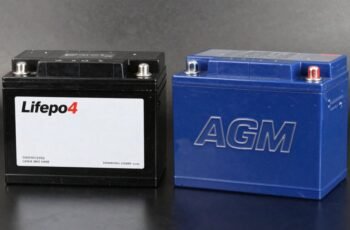
When choosing a LiFePO4 battery, understanding the balance between voltage and capacity is essential. While voltage determines the immediate power output, capacity influences how long that power lasts. Both factors are interconnected and impact overall system performance. We understand it’s vital to select the right specifications for your needs, but managing their differences can be complex. Let’s explore how these two aspects work together and what that means for your applications.
Key Takeaways
- Voltage indicates the electrical potential difference, while capacity reflects total energy storage in Ah or Wh.
- Voltage remains relatively stable during discharge, ensuring consistent power output.
- Capacity determines how long a LiFePO4 battery can supply power before recharging.
- Proper voltage management helps preserve battery capacity and prolong lifespan.
- Balancing voltage and capacity optimizes overall battery performance and system efficiency.
What Does Capacity Mean in LiFePO4 Batteries?

Understanding capacity in LiFePO4 batteries is essential because it tells us how much energy the battery can store and deliver. Capacity is measured in amp-hours (Ah) or sometimes in watt-hours (Wh), indicating the total charge the battery can provide over time. When we talk about capacity, we’re fundamentally describing how long the battery can power a device before needing a recharge. A higher capacity means more energy, longer run times, and fewer recharges. It’s important to recognize that capacity doesn’t directly reflect how fast a battery can deliver power, but rather how much total energy it holds. Knowing the capacity helps us choose batteries suited to our specific needs, whether for portable devices, solar systems, or electric vehicles.
How LiFePO4 Voltage Affects Battery Performance
We understand that stable voltage during discharge helps guarantee consistent power, which is essential for reliable performance. The voltage range also impacts how much energy a battery can deliver over time, affecting its longevity. Comprehending these factors allows us to optimize battery use for better efficiency and lifespan.
Voltage Stability During Discharge
LiFePO4 batteries are known for their remarkable voltage stability during discharge, which directly impacts their overall performance. Unlike other batteries that experience significant voltage drops as they discharge, LiFePO4 maintains a relatively constant voltage throughout most of the cycle. This stability guarantees consistent power delivery, making them reliable for applications requiring steady energy output. When the voltage remains stable, it reduces stress on connected devices and minimizes the risk of sudden power loss. This predictable voltage behavior also simplifies system design and improves battery management. Overall, the consistent voltage during discharge enhances efficiency and prolongs the lifespan of LiFePO4 batteries, making them an excellent choice for demanding applications where reliability and stable performance are critical.
Impact on Power Output
Because of their stable voltage during discharge, LiFePO4 batteries deliver consistent power output, which is essential for many applications. This stability means the device connected to the battery receives steady voltage, preventing unexpected drops that could cause malfunctions. Unlike other chemistries that experience voltage sag, LiFePO4 maintains a near-constant voltage, ensuring reliable performance. This consistency allows for better control of power tools, electric vehicles, and solar systems, where stable energy delivery is critical. *Additionally*, the predictable voltage profile helps in accurately monitoring battery status and optimizing usage. Overall, the stable voltage of LiFePO4 batteries directly enhances their ability to provide reliable, high-quality power over the entire discharge cycle, making them a dependable choice for demanding applications.
Voltage Range and Longevity
The stable voltage profile of LiFePO4 batteries not only guarantees consistent power output but also plays a significant role in their overall longevity. Maintaining a proper voltage range minimizes stress on the cells, preventing deterioration over time. When we stay within ideal voltage limits, we extend the battery’s lifespan and ensure reliable performance. Proper charging and discharging habits are key to avoiding damage that shortens the battery’s life.
Consider these points:
- Avoiding over-voltage prevents early cell degradation.
- Staying within safe voltage limits preserves capacity over years.
- Consistent voltage levels reduce internal stress, boosting durability.
- Proper voltage management minimizes costly replacements.
- A balanced voltage range keeps your battery performing like new longer.
How Voltage and Capacity Work Together in LiFePO4 Batteries
Understanding how voltage and capacity work together is essential for maximizing the performance of LiFePO4 batteries. Voltage tells us the electrical potential difference, while capacity indicates how much energy the battery can store. When the battery discharges, voltage drops gradually, but capacity determines how long it can power a device. A higher voltage provides more power, but without sufficient capacity, runtime decreases. Conversely, a large capacity ensures longer use but won’t boost power output if voltage is too low. Balancing these two factors guarantees ideal performance for your application. By understanding their relationship, we can select batteries that deliver the right amount of power and runtime, making sure your system operates efficiently and reliably under various conditions.
Choosing the Right LiFePO4 Voltage and Capacity for Your Needs
Selecting the right LiFePO4 battery involves matching its voltage and capacity to your specific needs, ensuring the best performance and longevity. We need to evaluate what devices or systems you’re powering and how much energy they require. For example, higher voltage batteries are ideal for larger setups, while capacity determines how long your system runs between charges.
Match LiFePO4 voltage and capacity to your needs for optimal performance and longevity.
When choosing, think about:
- The power your application demands
- How long you want your system to run
- Space constraints for the battery
- Future expansion plans
- The importance of safety and reliability
Getting these right means your system performs efficiently and lasts longer, giving you peace of mind and confidence in your setup.
Debunking Common Myths About LiFePO4 Voltage and Capacity
There are many misconceptions about how LiFePO4 batteries work, especially regarding voltage and capacity. We want to clear up these myths so you can make better-informed decisions. Let’s look at what’s true and what’s not when it comes to these batteries.
Clarifying Voltage and Capacity
Many people mistakenly believe that a LiFePO4 battery’s voltage directly indicates its capacity, but this isn’t the case. Voltage shows the battery’s current charge level, not how much energy it can store. Capacity refers to the total energy the battery can hold, usually measured in amp-hours (Ah) or watt-hours (Wh). Confusing these can lead to misjudging your battery’s true power.
Understanding this distinction is crucial for safe and effective use.
- Voltage drops as the battery discharges, but capacity remains the same.
- A fully charged battery doesn’t always mean maximum capacity.
- High voltage doesn’t guarantee a large capacity.
- Relying only on voltage can cause unexpected power loss.
- True capacity needs to be measured independently for accuracy.
Addressing Common Misconceptions
A common misconception is that a LiFePO4 battery’s voltage directly reflects its capacity, but this isn’t accurate. Voltage indicates the state of charge at a specific moment, not the total capacity remaining. For example, a battery can show a near-full voltage while having a significant capacity loss if it’s aged or damaged. To clarify, here’s a quick comparison:
| Voltage Level | Typical Capacity | Notes |
|---|---|---|
| 3.65V | 100% | Fully charged |
| 3.3V–3.4V | 50-75% | Mid-discharge |
| 3.0V–3.2V | 0-25% | Near empty, but safe to use in moderation |
Understanding this helps prevent misjudging battery health based solely on voltage.
Tips to Maximize Your LiFePO4 Battery’s Longevity and Efficiency
To extend the lifespan and improve the efficiency of your LiFePO4 batteries, it’s vital to follow some practical maintenance tips. First, avoid deep discharges; keep your batteries above 20% capacity to prevent stress. Second, don’t overcharge—always use a compatible charger and unplug once full. Third, store batteries in a cool, dry place to prevent capacity loss from heat. Fourth, regularly check for signs of damage or corrosion and address issues immediately. Finally, stick to recommended voltage limits, as this preserves battery health and performance.
Proper maintenance extends LiFePO4 battery life and boosts efficiency through careful charging, storage, and regular inspections.
- Charge and discharge within recommended limits
- Keep batteries cool and dry
- Perform routine inspections for damage
- Use quality chargers designed for LiFePO4
- Avoid long periods of inactivity without charging
Frequently Asked Questions
How Does Temperature Influence Lifepo4 Voltage and Capacity?
Temperature impacts Lifepo4 batteries considerably. When it’s cold, voltage and capacity drop because chemical reactions slow down; heat can cause capacity loss and potential safety issues. We recommend maintaining ideal temperatures for best performance and longevity.
Can Capacity Fluctuate Over a Battery’s Lifespan?
Like a ship’s anchor, capacity can fluctuate over a battery’s lifespan due to wear, aging, and usage. We’ve seen it decline gradually, but proper care helps maintain performance, ensuring longevity and reliable energy storage.
What Is the Impact of Aging on Lifepo4 Voltage?
As Lifepo4 batteries age, their voltage tends to decline slightly, indicating reduced overall health and capacity. We notice this as a sign of aging, which means the battery’s ability to deliver consistent power diminishes over time.
Are Higher Voltage Settings Always Better for Performance?
Higher voltage settings can seem like turbocharging your battery’s power, but they’re not always better. Pushing too high risks overheating, damage, and reduced lifespan—balance is key for peak performance without sacrificing longevity.
How Do Different Applications Affect Optimal Voltage and Capacity?
Different applications demand specific voltage and capacity settings for ideal performance. We adjust these parameters based on whether we need long runtime, high power, or safety, ensuring the battery works efficiently for each unique use case.
Conclusion
We understand balancing voltage and capacity can seem complex, but understanding their roles helps us choose the right LiFePO4 battery for any application. While higher voltage provides immediate power, adequate capacity ensures longer runtimes, making both essential. Don’t let misconceptions hold you back—by focusing on what truly matters, you can optimize your battery’s performance and lifespan. Trust us, with the right balance, you’ll enjoy reliable power tailored perfectly to your needs.