When it comes to batteries, the battle between LiFePO4 and lithium-ion is like choosing between a steady ship and a swift sailboat—each with its own strengths and vulnerabilities. We recognize that longer-lasting power sources can make a significant difference in our devices and energy systems, but understanding which one truly endures over time is complex. Stay with us as we explore the factors that influence their longevity and what it takes to keep them performing at their best.
Key Takeaways
- LiFePO4 batteries typically last 2,000–3,000 cycles (~8–10 years), whereas lithium-ion batteries last 500–1,500 cycles (~3–5 years).
- Chemical stability in LiFePO4 extends its lifespan compared to lithium-ion, which degrades faster under stress.
- Proper maintenance and controlled operating conditions can significantly prolong both battery types’ service life.
- Lithium-ion batteries tend to have shorter lifespans in high-temperature or deep-discharge scenarios.
- LiFePO4 offers a longer-term solution with higher cycle counts, making it more durable over time than standard lithium-ion batteries.
How Long Do LiFePO4 and Lithium-Ion Batteries Last?
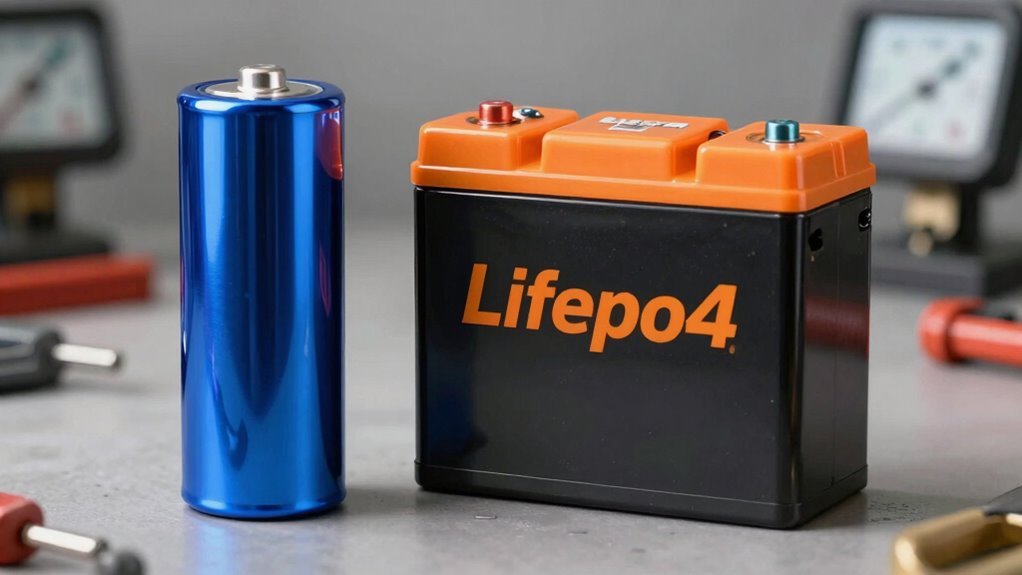
When comparing the lifespan of LiFePO4 and lithium-ion batteries, it’s clear that both types have their own durability benchmarks. LiFePO4 batteries typically last longer, often around 2,000 to 3,000 charge cycles, translating to 8-10 years of reliable use. Lithium-ion batteries generally last about 500 to 1,500 cycles, or roughly 3-5 years. This difference is mainly due to their chemical stability and design. LiFePO4’s stable chemistry allows it to endure more charge and discharge cycles without significant capacity loss. Meanwhile, lithium-ion batteries tend to degrade faster over time, especially if subjected to high temperatures or deep discharges. Understanding these general lifespan ranges helps us make informed choices based on our usage needs.
What Factors Affect Battery Lifespan?
Several factors directly influence how long a battery lasts, and understanding these can help us maximize its lifespan. Temperature plays a big role; extreme heat accelerates degradation, while cold can reduce performance temporarily. Proper charging habits are essential—overcharging or discharging too deeply shortens lifespan. Usage patterns matter: consistent shallow cycles are gentler than deep ones. The quality of manufacturing impacts longevity, with higher-quality cells lasting longer. Additionally, storage conditions affect durability; storing a battery in a cool, dry place is ideal.
- Operating temperature
- Charging and discharging habits
- Depth of discharge
- Manufacturing quality
- Storage environment
Battery Life in Common Applications (Smartphones, EVs, Solar)
Have you ever wondered how long your batteries last in everyday devices like smartphones, electric vehicles (EVs), or solar energy systems? In smartphones, lithium-ion batteries typically last around 2-3 years before noticeable capacity loss, affecting usage time. EVs rely on larger lithium-ion packs, which usually provide 8-15 years of useful service, depending on care and usage. Solar energy systems often use lithium batteries that last 10-15 years, but Lifepo4 options can extend this lifespan due to better thermal stability. Overall, lithium-ion batteries tend to degrade faster in high-demand applications, while Lifepo4 batteries offer longer cycle life and stability in such environments. Understanding these differences helps us choose the right battery technology for each application.
How Can You Maximize Your Battery’s Longevity?
To get the most out of your batteries, we need to follow smart charging habits and store them properly. Keeping charges within recommended levels and avoiding extreme temperatures can ensure their lifespan is greatly extended. By paying attention to these basics, we can ensure our batteries stay healthy longer.
Optimal Charging Practices
Maximizing your battery’s lifespan starts with adopting proper charging habits, as these directly impact its overall health and longevity. To do this effectively, avoid frequent full discharges and overcharging, which can stress the cells. Keep the charge level between 20% and 80% whenever possible to reduce strain. Use chargers designed for your battery type to guarantee proper voltage regulation. Regularly monitor the temperature during charging—avoid high heat, which can accelerate degradation. Finally, don’t leave your battery plugged in after reaching full charge, as maintaining a high voltage can harm the cells over time.
- Use appropriate chargers for your battery type
- Keep charge levels between 20% and 80%
- Avoid charging in high-temperature environments
- Disconnect once fully charged
- Regularly monitor charging temperature
Proper Storage Techniques
Proper storage is crucial for maintaining your battery’s health over time. When not in use, keep your batteries in a cool, dry place away from direct sunlight or extreme temperatures. Ideally, store them at around 50% charge, as fully charged or completely drained batteries can deteriorate faster. Avoid leaving batteries in hot environments, which speeds up capacity loss, or in very cold conditions, which can cause damage. It’s best to check the voltage periodically and recharge if it drops considerably below or rises above the recommended range. Also, make sure the storage container is clean and insulated to prevent accidental discharges or damage. Following these practices helps prolong your battery’s lifespan and maintains its performance for the long term.
Signs It’s Time to Replace Your Battery
If your battery’s power seems to be dropping faster than usual or it needs frequent recharging, it might be a sign it’s nearing the end of its life. We should pay attention to these changes, as they indicate reduced efficiency. Recognizing these signs early can help us decide when it’s time for a replacement.
Decreased Power Output
As batteries age, they often start delivering less power, making it noticeable when you’re using devices or equipment that rely on steady energy output. You might see your tools struggle to perform, or your gadgets shutting down unexpectedly. This decline can signal it’s time to replace the battery. Signs include reduced runtime, slower response times, and difficulty powering high-demand devices.
You should consider replacing your battery if you notice:
- Significant drop in device performance
- Longer charging times
- Inconsistent power delivery
- Devices shutting off prematurely
- Difficulty maintaining full charge
These indicators show that your battery no longer provides the consistent energy needed, and replacing it will restore device efficiency and reliability.
Frequent Charging Needed
When your device starts needing frequent charges, it’s a clear sign that your battery’s capacity is diminishing. Over time, batteries lose their ability to hold a full charge, meaning you’ll need to plug in more often. If you notice that your device barely lasts through the day or that you’re charging multiple times daily, it’s a strong indicator that your battery is wearing out. This is especially true with lithium-ion batteries, which naturally degrade with use. Lifepo4 batteries tend to last longer before requiring replacement, but they still show signs of aging. Recognizing these signs early can help you plan for a replacement before your device becomes unreliable. Keeping an eye on charging needs is a simple way to gauge your battery’s health.
Which Battery Lasts Longer in Electric Vehicles and Solar Storage?
Choosing the right battery for electric vehicles and solar storage depends largely on which type lasts longer under real-world conditions. Lithium-ion batteries often outperform Lifepo4 in terms of energy density and weight, making them ideal for EVs where space and efficiency matter. However, Lifepo4 batteries generally have a longer cycle life and better thermal stability, which benefits solar storage systems needing durability. Factors influencing longevity include:
- Depth of discharge cycles
- Operating temperature ranges
- Charging and discharging rates
- Maintenance and care routines
- Quality of manufacturing and cell design
While lithium-ion batteries may have a shorter lifespan under heavy use, Lifepo4 excels in longevity thanks to its chemical stability. Ultimately, the best choice depends on the specific application’s demands and conditions.
Tips to Extend Your Battery’s Service Life
To maximize your battery’s lifespan, it’s crucial to adopt proper usage and maintenance habits. First, avoid deep discharges; keeping the charge level between 20% and 80% helps prevent stress on the cells. Regularly monitor your battery’s temperature and avoid exposing it to extreme heat or cold, as temperature fluctuations can accelerate degradation. Use a compatible charger to prevent overcharging or undercharging, which can harm the battery’s chemistry. Additionally, store batteries in a cool, dry place if you’re not using them for a while. Periodic cycling—charging and discharging the battery fully every few months—can also help maintain capacity. By following these simple tips, we can considerably extend your battery’s service life and ensure consistent performance over time.
Frequently Asked Questions
How Do Environmental Conditions Impact Lifepo4 and Lithium-Ion Battery Lifespan?
Environmental conditions considerably affect both Lifepo4 and lithium-ion batteries. High temperatures accelerate aging, while extreme cold can reduce performance. We recommend storing batteries in cool, dry places and avoiding temperature fluctuations to extend their lifespan.
Are Lifepo4 Batteries More Sustainable Than Lithium-Ion Over Their Lifetime?
We believe LiFePO4 batteries are more sustainable over their lifetime because they last longer, are safer, and use environmentally friendlier materials. This reduces waste, minimizes environmental impact, and provides a more eco-conscious option for long-term energy storage.
What Are the Safety Differences Between Lifepo4 and Lithium-Ion Batteries?
We find Lifepo4 batteries safer than lithium-ion because they’re less prone to thermal runaway, don’t overheat easily, and are more stable chemically. This reduces fire risks, making them a safer choice for many applications.
Can Lifepo4 Batteries Be Recycled More Effectively Than Lithium-Ion?
We believe Lifepo4 batteries can be recycled more effectively than lithium-ion because their stable chemistry allows easier recovery of materials. This reduces environmental impact, making them a more sustainable choice for future energy storage solutions.
How Does Charging Speed Affect the Lifespan of Each Battery Type?
Charging speed can impact both battery types’ lifespan; fast charging may cause more wear and reduce longevity. We recommend moderate speeds to preserve battery health, ensuring longer-lasting performance for both Lifepo4 and lithium-ion batteries.
Conclusion
Think of your batteries as the roots of a mighty tree. LiFePO4 roots grow deeper, anchoring the tree through storms and seasons, lasting longer and staying healthier over time. Lithium-ion roots are like shallow roots, more vulnerable to droughts and storms, needing more care. By understanding their strengths, we can nurture our batteries, helping them thrive longer—ensuring our energy needs grow strong and steady, just like a resilient, flourishing tree.