Imagine holding a battery that feels solid and secure, even when pushed to its limits—this is the promise of safer energy storage. As we compare Lifepo4 and lithium-ion batteries, we see stark differences in their chemistry and safety profiles. Understanding these differences can mean the difference between peace of mind and potential disaster. So, what makes one type safer than the other, and how should we handle them properly? Let’s explore these vital questions.
Key Takeaways
- Lifepo4 batteries have higher thermal stability and are less prone to thermal runaway compared to lithium-ion batteries.
- Lithium-ion batteries contain flammable electrolytes, increasing fire risk during overheating or damage.
- Lifepo4 tolerates overcharging and physical damage better, reducing safety hazards in handling and usage.
- Lithium-ion batteries are more susceptible to overheating, fires, and explosions under thermal stress.
- Lifepo4 is generally safer for applications requiring high thermal stability and reduced risk of catastrophic failure.
What Is the Chemistry Behind Lifepo4 and Lithium-Ion Batteries?
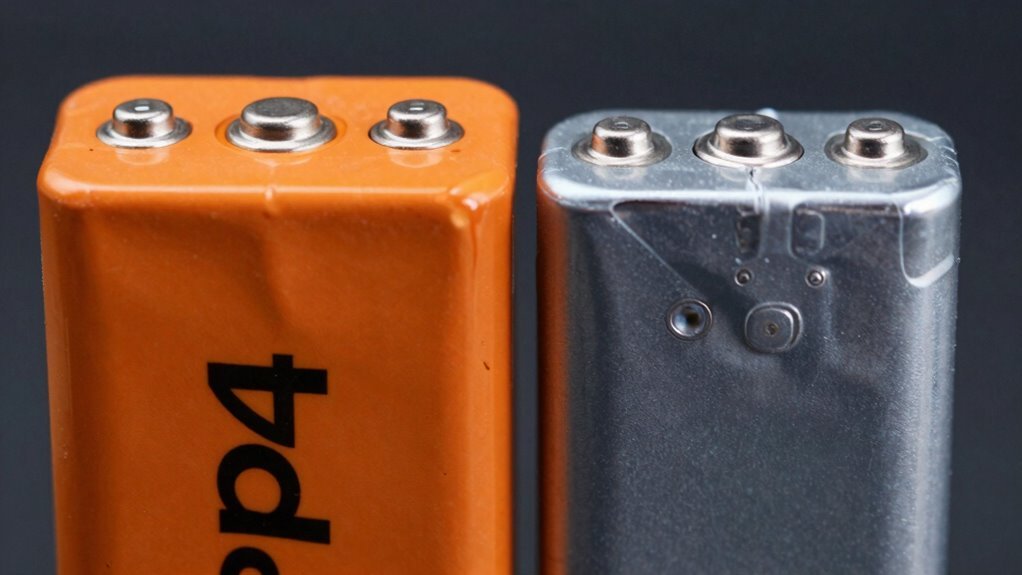
To understand the safety differences between Lifepo4 and lithium-ion batteries, it’s essential to grasp their underlying chemistry. Lifepo4 batteries use lithium iron phosphate as their cathode material, which provides a stable structure and reduces the risk of thermal runaway. Lithium-ion batteries, on the other hand, typically use cobalt, nickel, or manganese oxides, which are more reactive. This difference in chemistry influences how each battery responds to stress or damage. Lifepo4’s chemical stability means it’s less prone to overheating or catching fire. Lithium-ion batteries are more energy-dense but tend to be more volatile if mishandled or damaged. Understanding these chemical foundations helps explain why Lifepo4 batteries are generally considered safer, especially in demanding or high-risk environments.
How Do Lifepo4 and Lithium-Ion Batteries Compare in Safety?
When comparing Lifepo4 and lithium-ion batteries in regards to safety, we see clear differences in thermal stability and fire risk. Lifepo4 batteries are generally more stable and less prone to overheating, making them safer to handle and use. Understanding these safety aspects helps us choose the right battery for our needs.
Thermal Stability Differences
Because thermal stability directly impacts battery safety, understanding how Lifepo4 and lithium-ion batteries compare in this regard is essential. Lifepo4 batteries are known for their exceptional thermal stability, meaning they resist overheating and thermal runaway better than lithium-ion types. This stability stems from their chemical composition, which doesn’t release oxygen when heated, reducing the risk of fire or explosion. Lithium-ion batteries, on the other hand, are more susceptible to temperature fluctuations; they can degrade faster and are more prone to thermal runaway if overheated. This difference makes Lifepo4 batteries safer, especially in high-temperature environments or when subjected to physical damage. Overall, Lifepo4’s superior thermal stability provides an added layer of safety, making them a more reliable choice in demanding conditions.
Risk of Fire
While thermal stability plays a substantial role in battery safety, the risk of fire remains a primary concern for many users. Lithium-ion batteries are more prone to catching fire if damaged or improperly charged, due to their flammable electrolyte. They can overheat rapidly, leading to thermal runaway, which causes fires or explosions. In contrast, Lifepo4 batteries are much safer because they use a stable lithium iron phosphate chemistry that’s less likely to ignite under stress. While no battery is entirely fireproof, Lifepo4’s robust chemistry markedly reduces fire risks, even if the battery is punctured or overheated. Overall, Lifepo4 batteries offer a safer profile regarding fire hazards, making them a preferred choice for applications where safety is a top priority.
Handling and Usage Safety
Handling and usage safety are crucial factors when comparing Lifepo4 and lithium-ion batteries. Lifepo4 batteries are generally more stable during handling and are less prone to thermal runaway, making them safer to use. They tolerate overcharging and physical damage better, reducing the risk of fires or explosions. Lithium-ion batteries, on the other hand, require careful handling to prevent punctures, overcharging, or short circuits, which can lead to dangerous failures. Proper management systems are essential for lithium-ion batteries to guarantee safe operation. Overall, Lifepo4 batteries offer a safer profile during handling and usage due to their chemical stability. However, both types demand proper usage practices, including avoiding physical damage and adhering to manufacturer guidelines, to ensure safety during everyday handling and operation.
What Are the Main Safety Risks of Lithium-Ion Batteries?
Lithium-ion batteries are widely used due to their high energy density and efficiency, but they do pose significant safety risks if not properly managed. One major concern is thermal runaway, where overheating causes a chain reaction, potentially leading to fires or explosions. Overcharging or short circuits can also damage the internal components, increasing the risk of fire or leakage of hazardous chemicals. Mechanical damage from impacts or punctures can compromise the battery’s integrity, resulting in dangerous chemical exposure or fires. Additionally, manufacturing defects or poor quality control can introduce internal faults, making batteries unpredictable and unsafe. While these risks can be mitigated with proper design and handling, understanding the potential hazards is essential for safe usage.
How Do Lifepo4 and Lithium-Ion Batteries Handle Heat and Fire Risks?
We want to understand how Lifepo4 and lithium-ion batteries manage heat and fire risks. Their heat tolerance levels, fire suppression abilities, and chances of thermal runaway are key factors. Let’s explore how each type handles these safety concerns.
Heat Tolerance Levels
Ever wonder how different battery chemistries respond to extreme heat and fire risks? Lifepo4 batteries generally handle higher temperatures better than lithium-ion batteries. Lifepo4’s thermal stability allows it to operate safely at temperatures up to around 60°C (140°F), with less risk of thermal runaway. In contrast, most lithium-ion batteries begin to degrade or become dangerous at about 45°C (113°F), with higher temperatures increasing the fire risk. Lifepo4’s robust chemistry resists overheating and maintains performance longer under heat stress. Lithium-ion batteries are more sensitive; excessive heat can cause swelling, leaks, or fires. Overall, Lifepo4’s heat tolerance makes it safer in high-temperature environments, while lithium-ion batteries require more careful thermal management to prevent dangerous failures.
Fire Suppression Capabilities
When it comes to handling heat and fire risks, the ability of a battery to suppress or contain fires becomes a crucial safety feature. Lifepo4 batteries inherently generate less heat and are more stable under stress, reducing the likelihood of fires. They’re less prone to thermal runaway, which helps contain fires if they do occur. Lithium-ion batteries, on the other hand, contain flammable electrolytes that can accelerate fires once ignited. While they don’t have built-in fire suppression features, some designs incorporate fire-resistant casings and venting systems to release gases safely. Overall, Lifepo4’s chemistry offers better natural fire resistance, making it less likely to escalate into a dangerous blaze. This inherent safety advantage makes Lifepo4 batteries a preferable choice for fire-sensitive applications.
Thermal Runaway Risks
Thermal runaway is a critical safety concern for all battery types, but Lifepo4 and lithium-ion batteries handle this risk very differently. Lithium-ion batteries are more prone to thermal runaway because their electrolyte and cathode materials can ignite or decompose rapidly under high heat. This can lead to fires or explosions if not properly managed. In contrast, Lifepo4 batteries are much more stable at elevated temperatures. They resist overheating and are less likely to experience thermal runaway, even under severe conditions. This inherent stability makes Lifepo4 a safer choice for applications where heat management is challenging. While both types require proper design and safety systems, Lifepo4’s thermal stability provides a significant safety advantage in preventing catastrophic failures caused by heat.
How to Handle and Charge Batteries Safely
Handling and charging batteries safely is essential to prevent accidents and prolong their lifespan. First, always use the charger specified for your battery type, as incompatible chargers can cause overheating or damage. Avoid overcharging by unplugging once full, and never leave batteries charging unattended. Keep batteries in a cool, dry place away from direct sunlight and heat sources. When handling, wear protective gear if necessary, and avoid dropping or puncturing the battery, which can lead to leaks or fires. Use proper connectors and inspect cables regularly for damage. If a battery shows signs of swelling, leakage, or overheating, disconnect it immediately and dispose of it properly. Following these precautions helps guarantee safe operation and extends the life of your batteries.
Real-World Battery Safety Incidents and Lessons Learned
Real-world incidents involving battery failures highlight the importance of strict safety practices. We’ve seen fires from damaged batteries during shipping, thermal runaway in overheated packs, and explosions during improper charging. These incidents remind us that even safe batteries can become dangerous without proper handling.
Imagine a lithium-ion battery catching fire after a puncture, or a Lifepo4 pack swelling from overcharging, leading to leaks. Picture a drone battery igniting mid-flight due to internal short circuits, or a vehicle’s battery pack igniting during a crash. We also recall fires in storage facilities caused by poorly maintained batteries, and explosions during DIY repairs. These incidents teach us that rigorous safety measures, proper maintenance, and adherence to guidelines are essential to prevent accidents and ensure safe battery use.
Which Battery Is Safer for Your Application?
Choosing the safest battery for your application depends on several factors, including the environment, usage patterns, and safety priorities. Lifepo4 batteries are generally considered safer due to their stable chemistry, which reduces the risk of thermal runaway and fires. They’re less prone to overheating and are more resistant to overcharging. Lithium-ion batteries, while offering higher energy density, can pose greater safety risks if damaged or improperly handled, as they are more susceptible to thermal runaway and fires. For applications where safety is paramount, especially in confined or sensitive environments, Lifepo4 may be the better choice. However, if energy density and weight are critical, and proper safety measures are in place, lithium-ion can still be a viable option. Ultimately, understanding your specific needs helps determine which battery offers the safest solution.
Frequently Asked Questions
What Certifications Ensure Lithium-Ion and Lifepo4 Battery Safety?
We guarantee lithium-ion and Lifepo4 battery safety through certifications like UL, CE, and IEC. These standards verify safety, performance, and quality, giving us confidence that the batteries meet rigorous international requirements and are safe for use.
How Do Environmental Conditions Affect Battery Safety?
Environmental conditions can turn your batteries into fiery dragons or frozen ice cubes. We understand extreme heat, cold, or moisture can cause safety issues, so we always keep batteries in stable, controlled environments for ideal safety and performance.
Are Lifepo4 Batteries More Environmentally Friendly Than Lithium-Ion?
We believe Lifepo4 batteries are more environmentally friendly because they contain non-toxic materials, have a longer lifespan, and are less prone to thermal runaway, reducing risks and waste, making them a greener choice overall.
What Are the Long-Term Safety Considerations for Each Battery Type?
Like cautious sailors steering treacherous waters, we find LiFePO4 batteries safer long-term due to stability and lower fire risk, while lithium-ion batteries demand careful handling to prevent degradation, thermal runaway, and potential safety hazards over time.
How Do Manufacturing Standards Impact Battery Safety?
Manufacturing standards directly impact battery safety by ensuring quality control, consistent materials, and proper assembly. We believe strict standards reduce risks of defects, fires, or failures, making batteries safer and more reliable for users like you.
Conclusion
Just like choosing a sturdy bridge over a shaky one, selecting the safer battery depends on your needs. We’ve seen firsthand how Lifepo4’s stable chemistry can prevent fires in high-risk environments, much like a reliable foundation keeps a building safe during storms. With safety records showing fewer incidents, it’s clear that understanding these differences helps us make smarter choices—ensuring our energy sources support us without risking everything on a fragile wire.