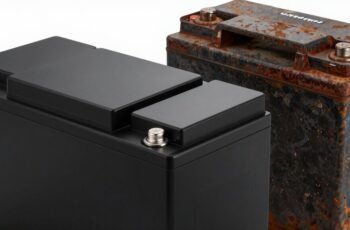
As we evaluate energy storage options, the question arises: are LiFePO4 batteries truly superior to traditional alternatives? Their safety, longevity, and thermal stability suggest significant advantages, yet the higher initial investment prompts further scrutiny. Understanding their technical differences and practical applications can clarify whether they genuinely represent a smarter choice for your system’s needs—and what trade-offs might be involved. Let’s examine the factors that influence their overall performance and suitability.
Key Takeaways
- LiFePO4 batteries offer superior safety and thermal stability compared to lead-acid and other lithium batteries.
- They have a longer cycle life, typically lasting over 2,000 to 5,000 cycles.
- Their stable chemistry reduces risks of overheating and thermal runaway.
- LiFePO4 batteries are environmentally friendly with easier recycling processes.
- Despite higher initial costs, they provide better long-term value and durability.
How Do Lifepo4 Batteries Differ From Traditional Batteries?
While traditional lead-acid and lithium-ion batteries have dominated energy storage for decades, LiFePO4 (lithium iron phosphate) batteries distinguish themselves through fundamental chemical and structural differences. These differences impact manufacturing processes, making LiFePO4 batteries safer and more environmentally friendly. The chemistry of LiFePO4 provides enhanced thermal stability and a longer cycle life, reducing degradation over time. Additionally, the manufacturing processes for LiFePO4 emphasize sustainability, with easier recycling due to the stable phosphate structure. Battery recycling becomes more efficient because the cathode material retains its integrity, facilitating reuse and reducing waste. These core distinctions not only improve performance but also align with eco-conscious manufacturing and recycling practices, setting LiFePO4 apart from traditional battery chemistries.
What Are the Main Benefits of LiFePO4 Technology?
LiFePO4 (lithium iron phosphate) batteries offer several significant advantages that make them a superior choice for many applications. Their stability and long cycle life reduce replacement frequency, positively impacting environmental impact. Additionally, LiFePO4 batteries are more environmentally friendly due to safer chemistry and easier battery recycling processes. Their thermal stability minimizes fire risks, enabling safer operation across varied conditions.
| Benefit | Explanation |
|---|---|
| Longer cycle life | Reduces waste and need for frequent replacements |
| Enhanced safety | Less prone to thermal runaway |
| Eco-friendly recycling | Facilitates environmentally responsible disposal |
| Reduced environmental impact | Less toxic materials and safer manufacturing processes |
| Cost efficiency | Lower total cost over lifespan due to durability |
Are LiFePO4 Batteries Safer and More Stable?
LiFePO4 batteries offer superior thermal stability, reducing the risk of overheating and thermal runaway. This chemical robustness leads to considerably lower fire hazards compared to other lithium-ion chemistries. Additionally, their long-term chemical stability ensures consistent performance and safety over extended periods.
Thermal Stability Advantages
Because thermal stability directly impacts safety and performance, understanding how LiFePO4 batteries behave under temperature variations is essential. LiFePO4 chemistry exhibits superior thermal management, maintaining consistent performance across a broad temperature range. Their stable internal structure minimizes heat generation during charge and discharge cycles, enhancing heat dissipation. This inherent thermal stability reduces the risk of thermal runaway, even under extreme conditions. Unlike other lithium-ion chemistries, LiFePO4 batteries resist overheating and degrade more slowly when exposed to high temperatures. Effective heat dissipation through optimized design further ensures stable operation, preventing localized hotspots. Consequently, LiFePO4 batteries offer a safer, more stable profile, making them better suited for applications requiring reliable thermal management and consistent performance under varying environmental conditions.
Reduced Fire Risks
While all lithium-ion batteries carry some inherent fire risk, LiFePO4 chemistries considerably mitigate this danger due to their stable chemical structure. This stability reduces the likelihood of thermal runaway, making LiFePO4 batteries inherently safer. Additionally, their chemical robustness simplifies battery recycling processes by minimizing hazardous byproducts, which enhances overall safety during disposal. However, manufacturing challenges persist, such as ensuring consistent quality control and addressing the stability of cathode materials. These factors influence safety and fire risk management. To summarize:
- Chemical stability reduces thermal runaway potential.
- Simplified battery recycling minimizes fire hazards during disposal.
- Manufacturing challenges impact consistency and safety standards.
These elements collectively contribute to LiFePO4’s reduced fire risks, emphasizing their safety benefits over other lithium-ion chemistries.
Long-Term Chemical Stability
Long-term chemical stability is a critical factor in evaluating the safety and reliability of lithium-ion batteries, and LiFePO4 chemistries demonstrate notable advantages in this regard. The chemical composition of LiFePO4, characterized by stable phosphate bonds, enhances structural integrity over extended cycles, reducing degradation. Unlike cobalt-based chemistries, the phosphate structure resists thermal runaway and capacity fade, directly impacting longevity factors. This inherent stability minimizes the formation of deleterious compounds during charge-discharge cycles, preserving electrochemical performance over time. Consequently, LiFePO4 batteries maintain consistent capacity and safety margins, making them more suitable for long-term applications. Their chemical robustness ensures fewer failures and less maintenance, reinforcing their reputation as a safer, more stable energy storage solution over the lifespan of the battery.
How Long Do LiFePO4 Batteries Last Compared to Others?
LiFePO4 batteries are renowned for their superior longevity compared to traditional lithium-ion and lead-acid counterparts. Their longer cycle life, often exceeding 2,000 to 5,000 cycles, translates into a lifespan of 8 to 15 years under ideal conditions. This durability reduces the frequency of replacements, positively impacting manufacturing sustainability by minimizing waste and resource extraction. Additionally, the extended lifespan facilitates more efficient battery recycling, recovering valuable materials and reducing environmental impact. Compared to lead-acid batteries, which typically last 3–5 years, LiFePO4 systems demonstrate a significant edge in longevity. Their stable chemical composition also contributes to consistent performance over time, making them a more sustainable and cost-effective choice in the long term.
What Applications Benefit Most From Lifepo4 Batteries?
We observe that Lifepo4 batteries are particularly advantageous in solar power storage systems due to their high cycle life and stability. Similarly, their safety profile and reliable performance make them well-suited for electric vehicle applications requiring consistent energy delivery. Analyzing these use cases highlights how their technical characteristics align with demanding energy management needs.
Solar Power Storage
Solar power storage systems greatly benefit from batteries that combine safety, longevity, and high performance, making Lifepo4 batteries particularly well-suited for this application. Their stable chemistry reduces thermal runaway risks and enhances overall safety, while their long cycle life supports sustained energy storage. Additionally, Lifepo4 batteries facilitate manufacturing sustainability due to their recyclable materials, encouraging environmentally responsible disposal and reuse.
Key benefits include:
- Enhanced safety profiles—minimized fire hazards and thermal stability.
- Extended lifecycle—up to 10,000 charge cycles, reducing replacement frequency.
- Environmental advantages—supporting battery recycling initiatives and sustainable manufacturing practices.
These qualities make Lifepo4 batteries ideal for grid-scale and residential solar energy solutions, aligning performance with eco-conscious goals.
Electric Vehicle Use
The safety, durability, and high cycle life that make Lifepo4 batteries advantageous for solar storage also translate well to electric vehicle applications, particularly where reliability and longevity are paramount. These batteries excel in EVs due to their stable chemistry, reducing risk of thermal runaway and enhancing safety. Their extended cycle life minimizes replacement frequency, lowering long-term costs. Additionally, Lifepo4’s compatibility with battery recycling processes reduces environmental impact, making them a sustainable choice as EV adoption grows. By supporting scalable recycling methods, these batteries help mitigate waste and resource depletion. Overall, EV applications benefit from Lifepo4’s robustness, environmental benefits, and ability to sustain high performance over time, aligning with industry goals of safety, sustainability, and efficiency.
What Are the Drawbacks of Using LiFePO4 Batteries?
Despite their many advantages, LiFePO4 batteries present certain limitations that users must consider.
- Temperature sensitivity: These batteries perform poorly in extreme cold, affecting their efficiency and lifespan.
- Environmental impact: Although safer than other chemistries, LiFePO4 still requires careful battery recycling to prevent potential environmental hazards from lithium and phosphorus.
- Cost and availability: Higher initial costs can be a barrier, and supply chains for raw materials may impact long-term sustainability.
While LiFePO4 batteries are more environmentally friendly during operation, their end-of-life disposal raises concerns about environmental impact. Proper battery recycling is essential to mitigate these issues and ensure sustainable use, but current infrastructure may not fully support widespread recycling efforts.
How Much Do LiFePO4 Batteries Cost Compared to Alternatives?
LiFePO4 batteries typically have a higher upfront cost than traditional lead-acid or nickel-based alternatives, which can influence purchasing decisions. However, their longer lifespan and better thermal stability often offset initial expenses over time. Market availability has improved, making LiFePO4 more accessible, though prices remain slightly higher due to manufacturing complexities. When considering total cost, battery recycling plays a role, as LiFePO4 batteries are more environmentally friendly and easier to recycle, reducing long-term disposal costs. Although the initial investment is greater, the superior cycle life and lower maintenance costs make LiFePO4 batteries more cost-effective in the long run. This cost dynamic positions LiFePO4 as a strategic choice for sustainable, high-performance energy storage solutions.
How Easy Is It to Switch to LiFePO4 in My System?
Switching to LiFePO4 batteries from traditional systems involves verifying compatibility and making targeted adjustments to guarantee seamless integration. This process requires evaluating your existing hardware, understanding the unique characteristics of LiFePO4 chemistry, and updating system components accordingly. Key considerations include:
- Ensuring your current inverter and charger are compatible or can be upgraded for LiFePO4 chemistry.
- Appraising the environmental impact through battery recycling options and understanding manufacturing processes that influence longevity and safety.
- Adjusting system settings to optimize performance, considering LiFePO4’s charge/discharge profiles and thermal management needs.
While integration is straightforward with proper planning, understanding manufacturing processes and end-of-life recycling options is critical for maximizing sustainability and system efficiency.
Conclusion
In conclusion, adopting LiFePO4 batteries can notably enhance system safety, longevity, and performance—especially for demanding applications like solar energy storage. For example, a remote off-grid cabin switching to LiFePO4 experienced reduced maintenance costs and improved energy reliability over five years. While initial investment is higher, the long-term benefits—fewer replacements and safer operation—make them a compelling choice for sustainable, high-performance energy solutions.