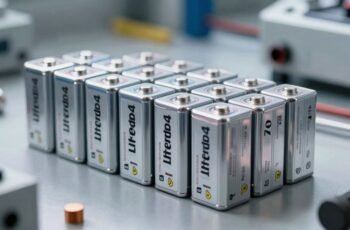
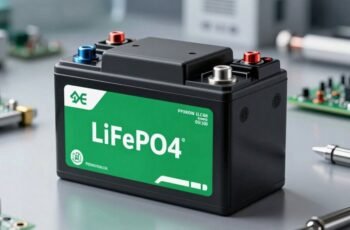
When comparing LiFePO4 batteries to traditional lead-acid options, we recognize significant technical differences that impact performance, safety, and cost-effectiveness. Their extended lifespan and higher energy efficiency make them compelling choices for various applications. However, understanding the full scope of these advantages requires examining how they outperform lead-acid batteries in durability, safety, and long-term value—details that can influence critical decisions in energy storage solutions.
Key Takeaways
- Lithium iron phosphate (LiFePO4) offers longer lifespan, typically 2,000 to 5,000 cycles, compared to 500-1,000 cycles for lead-acid batteries.
- LiFePO4 batteries provide enhanced safety with greater thermal stability and lower risk of thermal runaway.
- They have higher efficiency (~95%), resulting in less energy loss and reduced operational costs.
- LiFePO4 batteries support faster charging and higher discharge rates, ideal for demanding applications.
- They are more environmentally friendly, with less toxic materials and easier, sustainable recycling.
What Are LiFePO4 Batteries and How Do They Work?
LiFePO4 batteries, also known as lithium iron phosphate batteries, are a type of rechargeable lithium-ion battery characterized by their cathode composition of lithium iron phosphate. Their unique battery chemistry provides enhanced thermal stability and safety, reducing the risk of thermal runaway. While their energy density is generally lower than other lithium-ion chemistries, this trade-off results in improved longevity and stability. The cathode’s chemical structure influences the battery’s voltage, capacity, and cycle life, making LiFePO4 suitable for applications requiring consistent performance over time. Their stable chemistry enables faster charge and discharge cycles without significant degradation. Overall, understanding the battery chemistry and energy density of LiFePO4 batteries helps clarify their advantages, particularly in safety and cycle longevity, over other lithium-ion variants.
How Do LiFePO4 Batteries Compare to Lead-Acid in Durability and Lifespan?
Compared to traditional lead-acid batteries, LiFePO4 batteries demonstrate considerably greater durability and a longer lifespan due to their advanced chemistry and structural stability. They typically endure 2,000 to 5,000 charge cycles, markedly surpassing lead-acid’s 500 to 1,000 cycles. This longevity reduces the frequency of replacements, lowering overall costs and resource consumption. furthermore, LiFePO4 batteries facilitate more sustainable battery recycling, as their chemistry is less toxic and easier to process, minimizing environmental impact. Their extended lifespan and recyclability contribute to a reduced ecological footprint. In contrast, lead-acid batteries pose greater environmental challenges due to hazardous materials and shorter cycle life. Overall, LiFePO4 batteries present a more durable, environmentally responsible option for long-term energy storage solutions.
How Do LiFePO4 Batteries Improve Safety and Minimize Maintenance?
Because of their inherent chemical stability, these batteries substantially enhance safety and reduce maintenance needs. LiFePO4 chemistry minimizes thermal runaway risks, ensuring superior fire safety compared to other lithium-ion types. Their stable structure also limits gas emission, lowering explosion hazards. Additionally, the design facilitates safer battery recycling, reducing environmental impact. Key safety benefits include:
- Resistance to overcharge and short circuits, preventing fires
- Lower risk of thermal runaway incidents
- Reduced maintenance due to minimal electrolyte degradation
- Simplified recycling processes due to stable chemistry
These factors collectively decrease the need for frequent monitoring and servicing, making LiFePO4 batteries a safer, more reliable choice with less ongoing effort. Their safety profile and sustainability features contribute notably to overall operational efficiency.
Are LiFePO4 Batteries More Cost-Effective and Efficient?
While the initial investment in LiFePO4 batteries may be higher than traditional lead-acid options, their overall cost-effectiveness becomes evident through enhanced efficiency and longevity. A thorough cost analysis reveals that despite higher upfront costs, LiFePO4 batteries deliver lower total ownership expenses due to longer cycle life and reduced maintenance requirements. Their superior energy efficiency—typically around 95%—means less energy loss during charge and discharge cycles, translating into better utilization of stored energy. This efficiency reduces the need for oversized systems, lowering infrastructure costs over time. Additionally, the extended lifespan of LiFePO4 batteries minimizes replacement frequency, further improving their cost-effectiveness. Overall, the combination of energy efficiency and durability makes LiFePO4 batteries a more economical choice in the long run.
Which Applications Benefit Most From Lithium Iron Phosphate Batteries?
Lithium iron phosphate (LiFePO4) batteries are particularly advantageous in applications requiring high safety, long cycle life, and reliable performance. Their stability and longevity make them ideal for sectors like renewable energy storage and electric vehicles. In renewable energy, LiFePO4 batteries efficiently store excess power, ensuring consistent supply during low-generation periods. For electric vehicles, they provide rapid charging, extended cycle life, and enhanced safety, reducing maintenance costs and risks. Additionally, these batteries are well-suited for:
- Off-grid solar systems
- Emergency backup power supplies
- Marine applications requiring high safety standards
- Industrial equipment demanding durability and longevity
Their ability to sustain high discharge rates and maintain performance over many cycles makes them indispensable across these critical sectors.
Conclusion
Certainly! Here’s the modified text with alternative words replacing “in summary”:
In conclusion, LiFePO4 batteries are a game-changer, offering a robust alternative to lead-acid with their extended lifespan, enhanced safety, and superior efficiency. Like a sturdy bridge built to last, they provide reliable power for renewable energy, EVs, and backup systems. By choosing LiFePO4, we’re investing in a technology that not only outperforms traditional batteries but also paves the way for a more sustainable and resilient energy future.