Did you know that improper use can cut a LiFePO4 battery’s lifespan by nearly half? We often overlook how factors like temperature, charging habits, and maintenance play vital roles in longevity. Understanding these influences can help you get the most out of your battery. Curious about what specific habits or conditions might be damaging yours? Staying informed is the first step toward maximizing its performance and lifespan.
Key Takeaways
- Extreme temperatures accelerate electrolyte breakdown and capacity loss.
- Deep discharges and frequent high loads shorten battery life.
- Proper charging within 20-80% range reduces stress on cells.
- Poor maintenance and corrosion can impair performance over time.
- Manufacturing quality influences overall battery longevity.
Understanding What Affects Your LiFePO4 Battery’s Lifespan
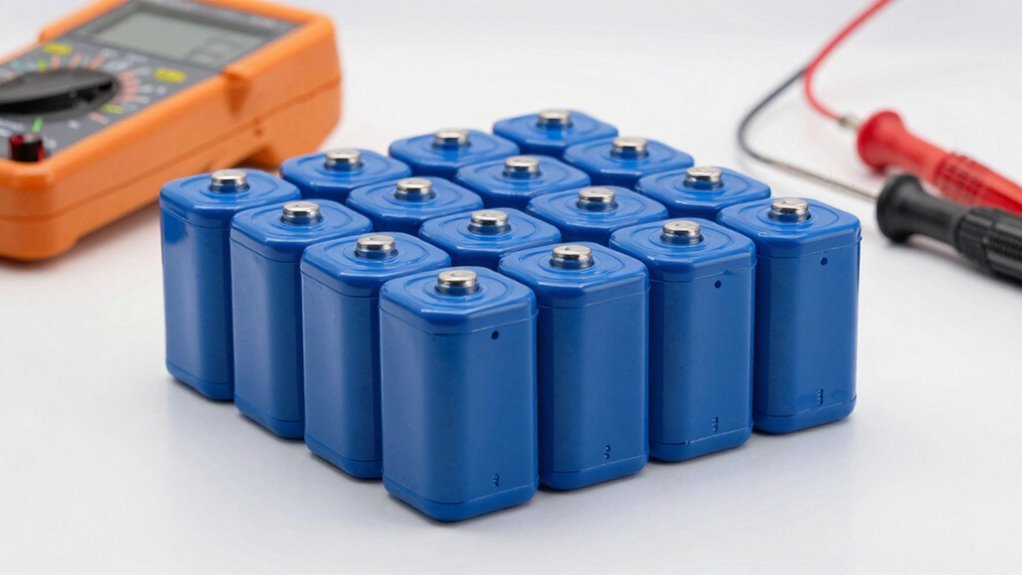
Understanding what affects your LiFePO4 battery’s lifespan is essential for maximizing its performance and longevity. Several factors influence how long your battery will last, and knowing these helps you take better care of it. Temperature is a major factor—exposing the battery to extreme heat or cold can accelerate deterioration. Proper storage and usage in moderate environments extend its life. Additionally, avoiding deep discharges and keeping the battery within recommended voltage ranges prevent unnecessary wear. Manufacturing quality also plays a role; higher-quality cells tend to last longer. Regular maintenance, like ensuring clean connections and avoiding physical damage, contributes to better performance over time. By understanding these influences, you can make smarter decisions that keep your LiFePO4 battery working efficiently for years.
How Do Charging and Discharge Habits Impact Battery Life?
How you charge and discharge your LiFePO4 battery directly affects how long it lasts. Charging it too frequently to 100% or letting it drop below 20% can cause unnecessary strain, reducing its lifespan. Using a proper charger designed for LiFePO4 batteries helps maintain excellent health. Similarly, discharging the battery deeply or rapidly can accelerate wear. It’s best to keep the charge level between 20% and 80% whenever possible, avoiding deep cycles. Moderate, consistent use reduces stress on the cells and prolongs life. Also, avoid fast charging unless necessary, as high current can generate heat and degrade the battery over time. By adopting gentle charging and discharging habits, you help ensure your LiFePO4 battery remains healthy and efficient for years to come.
Does Temperature Really Impact Your LiFePO4 Battery?
Temperature plays a crucial role in the health and performance of your LiFePO4 battery. Extreme temperatures can accelerate degradation, reducing its lifespan and efficiency. High temperatures, above 113°F (45°C), cause the electrolyte to break down faster, leading to capacity loss and potential safety issues. Conversely, cold conditions below 32°F (0°C) slow down chemical reactions, decreasing performance and charging ability. To optimize longevity, consider these factors:
- Keep batteries within the recommended temperature range of 32°F to 113°F (0°C to 45°C).
- Avoid prolonged exposure to direct sunlight or heat sources.
- Store batteries in a cool, dry place during idle periods.
- Use thermal management systems when operating in extreme environments.
Proper temperature control is essential for maximizing your LiFePO4 battery’s lifespan and reliability.
How Usage Patterns and Load Influence Battery Longevity
The way we use our LiFePO4 batteries substantially impacts how long they last. Frequent deep discharges or consistently running batteries near their maximum capacity can accelerate wear and reduce lifespan. Conversely, shallow cycles—discharging only part of the battery’s capacity—help preserve it over time. The load we place on the battery also matters; high loads cause increased stress and heat, which can degrade the cells faster. Smart usage involves balancing usage patterns, avoiding excessive cycling, and preventing sustained high loads. Additionally, allowing batteries to rest between heavy use periods helps maintain their health. By understanding and managing how we use and load our batteries, we can extend their service life and get the most value out of our investment.
Proper Maintenance and Storage Tips for LiFePO4 Batteries
Proper maintenance and storage are key to maximizing the lifespan of our LiFePO4 batteries. To guarantee longevity, we should follow these essential tips:
- Keep the charge level ideal—maintain between 30% and 80% for regular use, avoiding full discharges or constant full charges.
- Store in a cool, dry place—preferably around 15°C to 25°C, to prevent temperature-related degradation.
- Avoid overcharging or deep discharging—use a compatible charger with proper cutoff settings to prevent stress on the battery.
- Regularly inspect and clean terminals—keep connections free of corrosion, ensuring good contact and preventing issues.
Following these practices helps maintain battery health and prolongs its effective lifespan.
Common Mistakes That Reduce Your LiFePO4 Battery’s Lifespan
Many users inadvertently shorten their LiFePO4 battery’s lifespan by making simple mistakes that can be easily avoided. Common errors include overcharging, discharging too low, or exposing the battery to extreme temperatures. These practices stress the battery, causing faster wear. To help visualize, here’s a quick guide:
| Mistake | Effect | How to Avoid |
|---|---|---|
| Overcharging | Reduces lifespan | Use proper chargers and avoid full charge cycles |
| Deep Discharging | Damages cells | Keep within recommended voltage range |
| High Temperatures | Accelerates degradation | Store and operate in cool environments |
| Long-term Storage at Full Charge | Causes capacity loss | Store at 50% charge in a cool place |
| Ignoring Regular Maintenance | Leads to unnoticed issues | Follow maintenance tips consistently |
Frequently Asked Questions
How Does the Quality of the Battery Manufacturer Affect Lifespan?
The quality of the manufacturer considerably impacts Lifepo4 battery lifespan since reputable makers use better materials and strict quality control, reducing degradation over time. We recommend choosing trusted brands for longer-lasting, more reliable batteries.
Can Using Incompatible Chargers Damage Lifepo4 Batteries?
Using incompatible chargers can definitely damage Lifepo4 batteries. We recommend always using chargers designed specifically for Lifepo4 cells, as improper voltage or current can cause overheating, capacity loss, or even dangerous failures, shortening the battery’s overall lifespan.
What Role Does Battery Age Play in Overall Lifespan?
Ever wondered how aging impacts our batteries? As Lifepo4 batteries age, their capacity diminishes, and they become more prone to wear and tear, ultimately shortening their lifespan. We need to monitor and replace them when necessary.
How Do Vibrations and Physical Shocks Impact Battery Health?
Vibrations and physical shocks can damage Lifepo4 batteries by causing internal fractures or disconnections, which reduce capacity and lifespan. We recommend securing batteries properly and avoiding impacts to maintain ideal health and performance over time.
Are There Environmental Factors Beyond Temperature That Influence Longevity?
Extreme humidity, corrosive environments, and prolonged direct sunlight can dramatically shorten Lifepo4 battery lifespan. We’ve seen these factors cause rapid degradation, so we always recommend storing batteries in cool, dry, and shaded places for maximum longevity.
Conclusion
By paying attention to proper charging, storage, and temperature habits, we can greatly extend our LiFePO4 battery’s lifespan. It’s funny how small changes—like avoiding overcharging or keeping batteries in moderate environments—can make such a big difference over time. When we’re mindful of these factors, we not only protect our investment but also enjoy reliable performance for years. Sometimes, it’s the little things that surprise us with the best results.