While no battery technology is immune to change, Lifepo4 batteries are often praised for their durability. Still, over time, they tend to experience some loss in capacity, which can impact performance. Understanding how and why this happens is important if you want to get the most from your investment. Curious about what factors influence this decline and how to minimize it? Let’s explore what really happens as these batteries age.
Key Takeaways
- Lifepo4 batteries gradually lose capacity due to chemical degradation from repeated charge/discharge cycles.
- Capacity typically reduces by about 5% after 500 cycles, with more decline over time.
- High temperatures accelerate capacity loss, while proper thermal management helps preserve it.
- Overcharging or deep discharging can speed up capacity decline and shorten lifespan.
- Regular maintenance and optimal storage conditions extend the battery’s effective capacity over years.
Do Lifepo4 Batteries Lose Capacity Over Time?
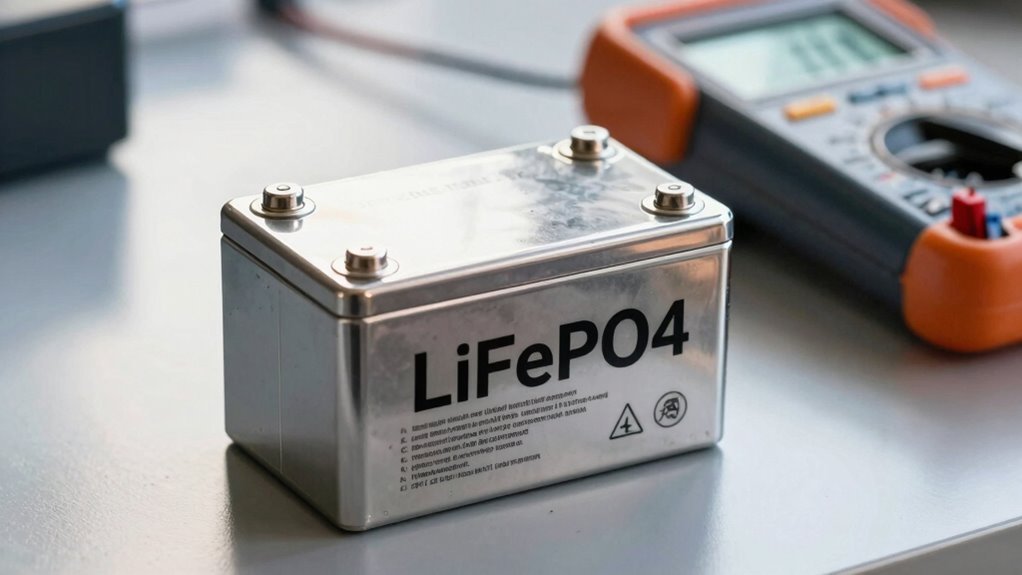
Lifepo4 batteries, like all rechargeable batteries, do gradually lose capacity over time. This is a natural process resulting from repeated charge and discharge cycles. As we use them, the chemical reactions inside cause some degradation, which reduces the amount of energy they can store. Over months and years, you’ll notice shorter run times or less power available. However, Lifepo4 batteries tend to maintain their capacity better than other chemistries, thanks to their stable chemistry. Proper care, like avoiding deep discharges and extreme temperatures, can slow this process. While capacity loss is inevitable, Lifepo4 batteries are known for their longevity and consistent performance over many cycles, making them a reliable choice even as they age.
How Do Lifepo4 Batteries Store and Maintain Capacity?
To effectively store and maintain capacity, Lifepo4 batteries rely on their stable chemical structure, which allows them to withstand numerous charge cycles with minimal degradation. Their chemistry minimizes the formation of harmful dendrites and reduces internal corrosion, helping preserve capacity over time. Proper management, like avoiding deep discharges and overcharging, also plays a vital role. We recommend keeping the batteries within their ideal voltage range and storing them in a cool, dry environment when not in use. This prevents capacity fade caused by temperature fluctuations or prolonged inactivity. Additionally, using a quality battery management system (BMS) ensures cells remain balanced and protected. By following these practices, Lifepo4 batteries can reliably maintain their capacity, offering long-lasting performance and efficiency.
What Factors Affect Lifepo4 Battery Capacity as It Ages?
As batteries age, several factors can diminish their capacity and overall performance. Temperature plays a significant role; high heat accelerates chemical degradation, while cold temperatures can temporarily reduce capacity. Over time, the buildup of internal resistance hampers efficiency, causing capacity loss. Charging habits also matter—overcharging or exposing batteries to voltage levels beyond recommended limits can speed up aging. Additionally, the number of charge-discharge cycles impacts lifespan, with more cycles leading to gradual capacity decline. Manufacturing quality and usage conditions further influence how quickly a Lifepo4 battery deteriorates. Proper maintenance, including avoiding extreme temperatures and staying within recommended charge parameters, can help slow these effects and extend the battery’s useful life.
Does Repeated Charging Reduce Lifepo4 Battery Capacity?
We understand that each time we recharge a Lifepo4 battery, it counts as a charge cycle, which can gradually affect its capacity. Over time, repeated charging and aging factors may lead to a decline in performance. Let’s explore how these elements interact and what you can do to extend your battery’s lifespan.
Impact of Charge Cycles
Repeatedly charging a Lifepo4 battery does impact its capacity over time, though it generally withstands many cycles better than other chemistries. Most Lifepo4 batteries can handle 2,000 to 3,000 charge cycles before experiencing noticeable capacity loss. The key is that these cycles slowly reduce the battery’s ability to hold a full charge, but the decline is gradual.
| Number of Cycles | Capacity Loss (%) |
|---|---|
| 500 | 5% |
| 1,000 | 10% |
| 2,000 | 20% |
This table highlights that capacity loss remains minimal even after extensive use, making Lifepo4 batteries reliable over many cycles.
Battery Aging Factors
While frequent charging can contribute to the aging process of a Lifepo4 battery, it doesn’t necessarily mean the capacity will decline immediately or drastically. Several factors influence how a battery ages, including temperature, storage conditions, and manufacturing quality. High temperatures accelerate chemical reactions inside the battery, speeding up capacity loss. Similarly, consistently overcharging or exposing the battery to extreme temperatures can degrade its internal components. Additionally, aged batteries may develop internal resistance, reducing their ability to hold a charge. Proper charging practices, like avoiding overcharging and keeping the battery within recommended temperature ranges, help slow down aging. Ultimately, while repeated charging does impact lifespan, maintaining ideal conditions and following manufacturer guidelines can considerably prolong capacity over time.
How Does Temperature Affect Lifepo4 Battery Performance?
Temperature plays a significant role in how well a Lifepo4 battery performs and retains capacity. We find that batteries work best within certain temperature ranges, while extreme cold can reduce their efficiency and lifespan. Understanding these temperature effects helps us optimize battery use and avoid damage in harsh conditions.
Temperature’s Impact on Capacity
Temperature has a significant effect on the performance and capacity of Lifepo4 batteries. When temperatures drop too low, chemical reactions slow down, reducing the battery’s capacity and making it less efficient. Conversely, high temperatures can accelerate these reactions, temporarily boosting performance but also speeding up degradation and capacity loss over time. Extreme heat can cause internal damage and increase the risk of safety hazards. Maintaining a stable, moderate temperature helps preserve the battery’s capacity and lifespan. It’s essential to understand that both cold and hot conditions negatively impact Lifepo4 batteries, but in different ways. Proper thermal management ensures the battery performs at its best and retains its capacity longer, preventing premature capacity loss caused by temperature extremes.
Optimal Operating Temperatures
Maintaining the right temperature range is essential for maximizing the performance and longevity of Lifepo4 batteries. Ideally, they operate best between 15°C and 35°C (59°F to 95°F). Within this range, chemical reactions occur efficiently, delivering consistent power and minimizing wear. Temperatures above this range can cause thermal stress, accelerating capacity loss, and damaging internal components. Conversely, staying within this *perfect* window helps *guarantee* the battery charges and discharges smoothly, maintaining its capacity over time. Proper ventilation and avoiding direct sunlight or excessive heat sources are simple ways to keep batteries within these temperatures. By managing operating conditions carefully, we can extend the lifespan of Lifepo4 batteries and preserve their capacity for longer periods.
Effects of Extreme Cold
Extreme cold conditions can considerably impact the performance of Lifepo4 batteries. When temperatures drop, chemical reactions inside the battery slow down, reducing its capacity and power output. This means your battery may not deliver the same performance as in warmer weather. Additionally, cold temperatures can increase internal resistance, leading to faster voltage drops and potential difficulty in charging. To minimize these effects, it’s essential to store and operate Lifepo4 batteries within recommended temperature ranges or use insulation and heating solutions. Understanding how cold impacts the battery helps in planning better usage and prolonging its lifespan.
- Capacity decreases in cold weather
- Charging becomes less efficient
- Increased internal resistance affects performance
What Is the Typical Capacity Retention of Lifepo4 Batteries?
Lifepo4 batteries are known for their impressive capacity retention over time, typically maintaining around 80-90% of their original capacity after several thousand charge cycles. This durability makes them popular for long-term applications like solar energy storage and electric vehicles. Their ability to hold a significant portion of their initial capacity even after extensive use sets them apart from other lithium-ion batteries, which often degrade faster. The exact retention rate depends on factors like usage, temperature, and charging habits, but overall, Lifepo4 batteries are quite reliable. Most users can expect their batteries to perform well for many years before noticeable capacity loss. This longevity makes Lifepo4 a smart investment for those seeking durable, high-performance energy solutions.
How Can Proper Charging Extend Your Lifepo4 Battery’s Life?
Proper charging techniques play a crucial role in extending the lifespan of your Lifepo4 battery. By following best practices, we can minimize capacity loss and guarantee ideal performance over time. First, avoid overcharging; unplug the battery once it reaches full capacity to prevent stress on the cells. Second, keep the charge level within the recommended range, ideally between 20% and 80%, to reduce capacity degradation. Third, use a charger specifically designed for Lifepo4 batteries, as it provides the correct voltage and current, preventing damage. Implementing these simple steps helps maintain battery health, prolongs its usable life, and guarantees reliable power when you need it most. Proper charging isn’t just maintenance; it’s an investment in your battery’s longevity.
How Do Age and Calendar Life Impact Capacity?
As batteries age, their capacity gradually declines, regardless of usage or maintenance. Calendar life—the amount of time since manufacturing—plays a significant role in this decline. Over years, chemical changes within the Lifepo4 battery naturally occur, leading to reduced efficiency. Even if the battery sits unused, these internal changes happen, causing capacity loss. Factors like temperature fluctuations, storage conditions, and the number of charge cycles also influence how quickly capacity diminishes. Typically, Lifepo4 batteries are designed to last several years, but their capacity will slowly decrease over time. This aging process is unavoidable, but understanding its impact helps us plan replacements or maintenance. Ultimately, the longer a Lifepo4 battery exists, the more its capacity diminishes, even if it’s well cared for.
Signs That Your Lifepo4 Battery Is Losing Capacity
When our Lifepo4 batteries start losing capacity, we notice some clear signs. You might see shorter runtime, voltage drops under load, or find yourself charging more often than before. Recognizing these clues helps us know when it’s time to contemplate maintenance or replacement.
Reduced Runtime Duration
Reduced runtime duration is often the first noticeable sign that your Lifepo4 battery is losing capacity. If you find that your device or system doesn’t run as long as it used to despite a full charge, it’s a clear indicator of diminished capacity. Over time, the battery’s ability to hold a charge decreases, leading to shorter usage periods.
Here are some signs to watch for:
- Shorter operational periods compared to when the battery was new.
- Frequent recharging needs even after minimal use.
- Inconsistent runtime, where some charges last longer than others without explanation.
These changes suggest your battery can’t store as much energy as it once did.
Noticeable Voltage Drops
Noticeable voltage drops are a clear sign that your Lifepo4 battery is losing capacity. When your battery can’t sustain its usual voltage under load, it indicates declining performance. You might notice it during regular use when the device turns off sooner or the voltage dips below expected levels more often. This decrease in voltage means the battery isn’t holding the charge as effectively, signaling aging or capacity loss. Unlike a healthy battery that maintains a steady voltage, a worn-out one shows inconsistent or lower voltage readings even when fully charged. If you observe these voltage drops happening more frequently or at higher states of charge, it’s a strong sign that your battery’s capacity is diminishing and may need replacement or maintenance.
Increased Charging Frequency
As your Lifepo4 battery ages, you’ll likely find yourself needing to charge it more frequently than before. This increased charging frequency is a clear sign that the battery’s capacity is diminishing. When capacity drops, the battery can’t hold as much charge, so it discharges faster and needs recharging more often.
Here are some signs to watch for:
- You notice shorter usage times between charges.
- You need to plug in the battery sooner than usual.
- Charging sessions become more frequent, even with minimal use.
These signs indicate the battery is losing its ability to store energy efficiently. Recognizing this early helps you decide whether to replace or maintain your Lifepo4 battery effectively.
Tips to Maximize Capacity and Longevity of Your Lifepo4 Battery
To maximize the capacity and lifespan of your LiFePO4 battery, it’s essential to follow proper usage and maintenance practices. Keep the battery within recommended voltage ranges, avoiding full charges or deep discharges. Regularly monitor its state of charge and avoid leaving it at high or low levels for extended periods. Store the battery in a cool, dry place when not in use, especially during long periods of inactivity. Use a compatible charger designed for LiFePO4 batteries to prevent overcharging or undercharging. Additionally, avoid exposing the battery to extreme temperatures, which can accelerate capacity loss. Perform periodic inspections for any signs of damage or swelling. By following these tips, you can considerably extend your battery’s performance and overall lifespan.
Frequently Asked Questions
How Often Should I Calibrate My Lifepo4 Battery?
We recommend calibrating your LiFePO4 battery every three to six months to maintain accurate capacity readings. Regular calibration helps guarantee peak performance, longevity, and prevents unexpected power issues, so sticking to this schedule benefits your battery’s health.
Can Lifepo4 Batteries Be Recycled After They Lose Capacity?
Yes, Lifepo4 batteries can be recycled after they lose capacity, though it’s funny how we cherish new batteries only to eventually toss them out. Recycling helps recover valuable materials, so we stay eco-friendly even when batteries fade.
What Are the Best Practices for Storing Lifepo4 Batteries Long-Term?
We recommend storing LiFePO4 batteries in a cool, dry place at about 50-70% charge, avoiding extreme temperatures and direct sunlight. Regularly check and recharge them to maintain peak capacity during long-term storage.
How Do Different Manufacturers’ Lifepo4 Batteries Compare in Capacity Retention?
Different manufacturers’ LiFePO4 batteries vary like characters in a story, with some holding capacity better over time. We’ve seen top brands retain 80-90% after years, but quality and usage considerably influence longevity and performance.
Are There Specific Indicators That Signal Imminent Capacity Loss?
Yes, we notice signs like reduced runtime, increased charging times, and higher internal resistance, which signal our Lifepo4 batteries are nearing capacity loss. Regular monitoring helps us catch these indicators early and maintain peak performance.
Conclusion
In the end, caring for our Lifepo4 batteries is like tending a garden—regular attention and mindful practices help them flourish. With proper care, they’ll continue to power our adventures, shining brightly through the years. Think of each charge as watering the roots, each temperature check as pruning away the dead leaves. By nurturing them well, we guarantee our batteries remain strong and vibrant, ready to light up our journeys for many more seasons to come.