Like the enduring legacy of a classic novel, the question of whether LiFePO4 batteries truly stand the test of time has persisted among energy storage discussions. We’ve seen claims of exceptional longevity, but what really determines their durability compared to other options? To understand if they’re the long-term solution, we need to examine the factors that influence their lifespan and how they stack up against traditional batteries. Let’s explore what makes LiFePO4 batteries a potentially more reliable choice.
Key Takeaways
- LiFePO4 batteries typically last 8-10 years, longer than lead-acid and many other lithium batteries.
- They offer a high cycle life, often between 2,000 and 5,000 cycles, contributing to extended durability.
- Proper maintenance, including correct charging and storage, can significantly prolong their lifespan.
- Their stable chemical structure enhances safety and reduces degradation over time.
- Extreme temperatures and improper handling can shorten their longevity, so proper care is essential.
How Do Lifepo4 Batteries Differ From Lithium-Ion Batteries?
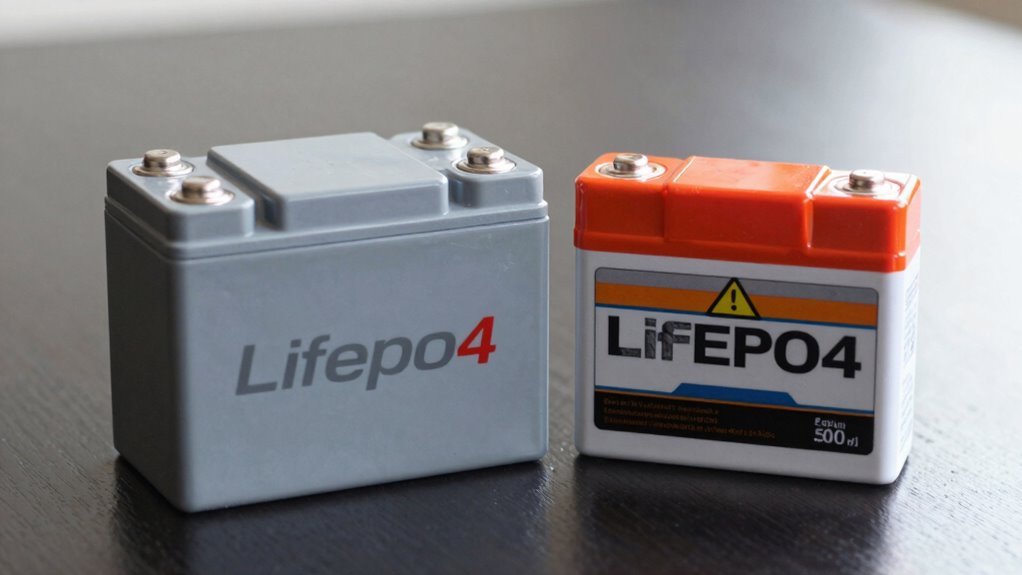
Lifepo4 batteries differ from traditional lithium-ion batteries primarily in their chemistry and safety features. Unlike standard lithium-ion cells that use cobalt or nickel, Lifepo4 batteries utilize lithium iron phosphate, which provides a more stable chemical structure. This stability reduces the risk of overheating, thermal runaway, and fires, making them safer to use. Additionally, Lifepo4 batteries have a longer cycle life, often enduring thousands of charge and discharge cycles without significant capacity loss. They also perform well across a wider temperature range and maintain consistent power output. These differences make Lifepo4 batteries a more reliable and safer choice for many applications, especially where longevity and safety are top priorities.
What Factors Influence the Lifespan of LiFePO4 Batteries?
Several factors directly impact the lifespan of LiFePO4 batteries, and understanding these can help us maximize their performance and durability. First, proper charging habits are essential; overcharging or discharging too deeply can accelerate wear. Maintaining a moderate state of charge, ideally between 20% and 80%, helps extend battery life. Temperature also plays a critical role—extreme heat or cold can cause damage and reduce lifespan, so keeping batteries within recommended temperature ranges is necessary. Additionally, avoiding frequent rapid charging and discharging helps prevent stress on the cells. Usage patterns matter too; consistent, moderate use tends to preserve battery health better than irregular, intense cycles. Finally, quality and manufacturing standards influence longevity—better-built batteries generally last longer and perform more reliably over time.
How Long Do LiFePO4 Batteries Last in Real Life?
We understand LiFePO4 batteries typically last between 2,000 to 5,000 cycles, but actual life depends on several factors. How we use and maintain them can make a big difference in their durability. Let’s explore what affects their lifespan and how to keep them working their best longer.
Typical Lifespan Expectations
When properly maintained, LiFePO4 batteries typically last between 2,000 and 5,000 charge cycles, which can translate to around 8 to 15 years of regular use. This lifespan is considerably longer than traditional lead-acid batteries. The actual duration depends on usage, temperature, and maintenance. To illustrate, here’s a quick comparison:
| Cycle Count | Approximate Years | Usage Tips |
|---|---|---|
| 2,000 | 8 | Avoid deep discharges |
| 3,500 | 12 | Keep within recommended voltage |
| 5,000 | 15 | Regular monitoring |
Most LiFePO4 batteries will perform well beyond 2,000 cycles if cared for properly, often reaching 5,000 cycles.
Factors Affecting Durability
The durability of LiFePO4 batteries in real life depends on a variety of factors that can either extend or shorten their lifespan. First, temperature plays a vital role—exposure to high heat accelerates degradation, while cold environments can temporarily reduce performance. Second, charge cycles matter; frequent deep discharges wear batteries faster, whereas shallow cycles help preserve them. Third, the quality of the battery itself influences durability—cheaper models may not last as long due to inferior materials. Additionally, how the batteries are used and stored impacts longevity; improper handling, prolonged inactivity, or exposure to moisture can cause damage. Finally, manufacturing consistency and proper initial setup are essential; even minor defects can reduce lifespan over time. Understanding these factors helps us optimize battery use for maximum durability.
Maintenance Tips for Longevity
Proper maintenance markedly extends the lifespan of LiFePO4 batteries, ensuring they deliver reliable performance over time. To maximize longevity, keep the batteries charged between 20% and 80%, avoiding deep discharges that can damage cells. Regularly inspect for signs of wear or corrosion, and keep terminals clean and tight. Store batteries in a cool, dry place, especially if not in use for extended periods, as high temperatures accelerate aging. Use a compatible charger with the correct voltage and current settings to prevent overcharging or undercharging. Avoid exposing batteries to extreme temperatures or physical shocks. By following these simple maintenance tips, we can substantially prolong the service life of LiFePO4 batteries, ensuring they remain efficient and dependable for years to come.
Comparing the Durability of LiFePO4, Lead-Acid, and Other Lithium Batteries
When comparing battery durability, we look at how long they last and how many charge cycles they can handle. LiFePO4 batteries typically outperform lead-acid and other lithium types in both lifespan and cycle durability. Let’s explore what makes each battery type more or less resilient over time.
Battery Lifespan Comparison
Comparing the durability of different battery types reveals significant differences in lifespan, with LiFePO4 batteries often outperforming traditional lead-acid and other lithium-ion options. Lead-acid batteries typically last around 500 to 1,000 cycles, making them less durable over time. In contrast, LiFePO4 batteries commonly provide 2,000 to 5,000 cycles, roughly twice or three times as long. Other lithium-ion batteries, such as NMC or LTO, may offer similar or slightly better cycle lives but often come with higher costs or lower stability. Overall, LiFePO4 batteries stand out for their longevity, maintaining performance over many years and multiple charge cycles. This extended lifespan makes them a smarter choice for those seeking durability and long-term value.
Charging Cycle Durability
The durability of a battery’s charging cycle markedly influences its overall lifespan and reliability. When comparing LiFePO4, lead-acid, and other lithium batteries, differences become clear.
Here are four key points:
- LiFePO4 batteries typically endure 2,000 to 5,000 cycles, making them highly durable.
- Lead-acid batteries usually last around 500 to 1,000 cycles before capacity drops considerably.
- Other lithium batteries like lithium-ion often range from 500 to 1,500 cycles, depending on quality.
- Proper charging habits and temperature control can extend each battery’s cycle life, regardless of type.
In short, LiFePO4 batteries excel in cycle durability, providing longer-lasting performance compared to lead-acid and many other lithium options.
How to Tell When Your LiFePO4 Battery Is Worn Out
As LiFePO4 batteries age, their performance gradually declines, making it important to recognize the signs early. One clear indicator is a noticeable drop in capacity, meaning the battery doesn’t hold a charge as long as it used to. If you find yourself needing to recharge more frequently, that’s a sign it’s wearing out. You might also notice increased internal resistance, causing the battery to heat up during use or charging. Additionally, if the battery voltage drops quickly under load or fails to reach full charge, it indicates deterioration. Physical signs like swelling or leaks are serious warnings, but often, performance decline is the first clue. Monitoring these signs helps you decide when it’s time to replace your battery before it fails unexpectedly.
Tips to Extend Your LiFePO4 Battery’s Life
To make our LiFePO4 batteries last longer, we need to follow some simple tips. Keeping charging levels balanced, storing batteries properly, and avoiding deep discharges can considerably extend their lifespan. Let’s look at how each of these practices helps preserve your battery’s performance.
Maintain Proper Charging Levels
Maintaining proper charging levels is essential for maximizing the lifespan of your LiFePO4 battery. Keeping the charge within the recommended range prevents undue stress and degradation. Here are some tips to help us stay on track:
- Avoid full discharges—try not to let the battery drop below 20%, as deep discharges can shorten its life.
- Don’t overcharge—stop charging once it reaches around 90-95% to prevent unnecessary wear.
- Use a quality charger—ensure it’s compatible and has proper voltage and current regulation.
- Monitor regularly—check the voltage levels periodically to maintain ideal charge levels and spot issues early.
Sticking to these practices helps us get the most out of our batteries and extend their overall lifespan.
Store Batteries Correctly
Proper storage is just as important as correct charging when it comes to prolonging the life of your LiFePO4 battery. To guarantee longevity, store your batteries in a cool, dry place away from direct sunlight and extreme temperatures. Avoid areas with high humidity, which can cause corrosion or damage over time. Before storing, make sure the battery is partially charged—around 50-60%—since storing it fully charged or completely discharged can harm its capacity. If you’re not using the battery for an extended period, check it periodically and recharge if needed. Keep the terminals clean and protected from dust or debris. Following these storage tips helps maintain your battery’s health and assures it performs well when you need it.
Avoid Deep Discharges
Since deep discharges can considerably shorten the lifespan of LiFePO4 batteries, it’s essential to avoid letting the battery’s charge drop below 20%. Regularly draining the battery too low causes stress and reduces its overall cycle life. To protect your battery, keep these tips in mind:
- Always recharge before reaching 20% capacity.
- Use a battery monitor to track voltage levels.
- Set alarms or alerts to warn when nearing low charge.
- Avoid leaving the battery fully discharged for extended periods.
Does Temperature Affect LiFePO4 Battery Durability?
Temperature plays a significant role in the lifespan of LiFePO4 batteries. When temperatures are too high, it accelerates chemical reactions inside the battery, leading to faster degradation and reduced capacity over time. Conversely, cold temperatures can slow down these reactions, causing the battery to temporarily lose performance and potentially harm its long-term health. Ideally, LiFePO4 batteries operate best between 20°C and 25°C. Extremes outside this range, especially prolonged exposure, can shorten their lifespan. That’s why proper thermal management is crucial—keeping batteries in a controlled environment helps guarantee they last longer and maintain ideal performance. By avoiding excessive heat or cold, we can maximize the durability and longevity of LiFePO4 batteries.
Limitations That Shorten LiFePO4 Battery Lifespan
While LiFePO4 batteries are known for their durability, several factors can still shorten their lifespan. First, overcharging or discharging beyond recommended levels causes stress on the cells, accelerating wear. Second, exposure to high temperatures or rapid temperature fluctuations can degrade the battery’s chemistry faster. Third, poor maintenance, like neglecting regular balance charging, leads to uneven cell wear and capacity loss. Lastly, mechanical damage from impacts or punctures can harm internal components, reducing overall lifespan. Being mindful of these limitations helps us extend the life of our batteries. Proper charging practices, temperature control, regular maintenance, and careful handling are crucial steps to guarantee longevity. Recognizing these factors allows us to maximize our LiFePO4 batteries’ performance and durability.
Are LiFePO4 Batteries a Better Long-Term Investment?
LiFePO4 batteries often prove to be a better long-term investment because they offer greater durability and a longer lifespan compared to traditional battery types. Their ability to withstand more charge cycles means fewer replacements and lower overall costs. Over time, this makes them more economical, especially for high-use applications. To illustrate, here’s a quick comparison:
| Aspect | LiFePO4 Batteries | Traditional Lead-Acid Batteries |
|---|---|---|
| Average Lifespan | 8-10 years | 3-5 years |
| Cycle Life | 2000-5000 cycles | 300-500 cycles |
| Maintenance | Low | Regular maintenance needed |
This shows that investing in LiFePO4 batteries can save you money and hassle in the long run.
Final Verdict: Are LiFePO4 Batteries the Most Durable Choice?
Considering their impressive lifespan and cycle durability, LiFePO4 batteries stand out as one of the most resilient options available today. They consistently outperform traditional batteries in longevity and safety, making them a top choice for many applications.
Here’s why we believe they’re the most durable:
- They often last 8-10 years with proper care, surpassing lead-acid counterparts.
- Their cycle life can reach 2,000–5,000 charges, ensuring long-term use.
- They resist thermal runaway, reducing risks of fires and damage.
- Their stability minimizes capacity loss over time, maintaining performance longer.
All these factors make LiFePO4 batteries a smart investment for durability and peace of mind.
Frequently Asked Questions
Can Lifepo4 Batteries Be Recycled Easily After Their Lifespan Ends?
Yes, LiFePO4 batteries are recyclable, and we can easily recover valuable materials like lithium, iron, and phosphate. Recycling helps reduce waste, environmental impact, and supports sustainable battery reuse, making it a responsible choice for end-of-life batteries.
Do Different Brands of Lifepo4 Batteries Have Varying Lifespans?
Absolutely, different brands of LiFePO4 batteries can last for decades or just a few years! We’ve seen some outperform others wildly, so choosing a reputable brand is essential for longevity and reliable power.
How Does Cycling Frequency Impact Lifepo4 Battery Longevity?
Cycling frequency markedly impacts Lifepo4 battery longevity; frequent charges and discharges accelerate wear, reducing lifespan. We recommend moderate cycling to extend battery life, avoiding deep discharges and overcharging, which can cause premature degradation and diminish overall performance.
What Are Common Signs of Early Lifepo4 Battery Degradation?
We notice early Lifepo4 battery degradation through reduced capacity, longer charging times, increased internal resistance, and inconsistent voltage output. Keep an eye on these signs to guarantee peak performance and longevity of your battery.
Are There Specific Maintenance Practices That Significantly Extend Lifepo4 Battery Life?
Certainly, gentle nurturing can extend Lifepo4 batteries’ lifespan. We recommend avoiding deep discharges, maintaining proper charge levels, storing in a cool environment, and performing regular checks, ensuring your batteries stay healthy and perform best over time.
Conclusion
In the end, we believe LiFePO4 batteries are a smart long-term choice for durability and safety. While they might cost more upfront, their lifespan and performance far outweigh the initial investment. Some may worry about temperature sensitivity, but with proper care and storage, they excel in longevity. Choosing LiFePO4 means fewer replacements and more reliable power over the years, making them a truly worthwhile investment for peace of mind.