Did you know that LiFePO4 batteries can often endure between 2,000 and 5,000 charge cycles, with some industrial versions surpassing 10,000? That’s a significant lifespan compared to other battery types. But what exactly determines how long they last and how can we maximize their cycle count? Understanding these factors can help us make smarter choices for long-term energy storage solutions. Let’s explore what influences their durability and how to get the most out of them.
Key Takeaways
- Lifepo4 batteries typically last between 2,000 and 5,000 charge cycles before capacity drops to 80%.
- Under optimal conditions, they can achieve over 10,000 cycles in industrial applications.
- Cycle life depends on factors like temperature, charging practices, and depth of discharge.
- Shallow, frequent cycles extend lifespan more than deep discharges.
- Proper maintenance and environmental control can significantly increase battery longevity.
How Do Lifepo4 Batteries Work and Why Are They So Durable?
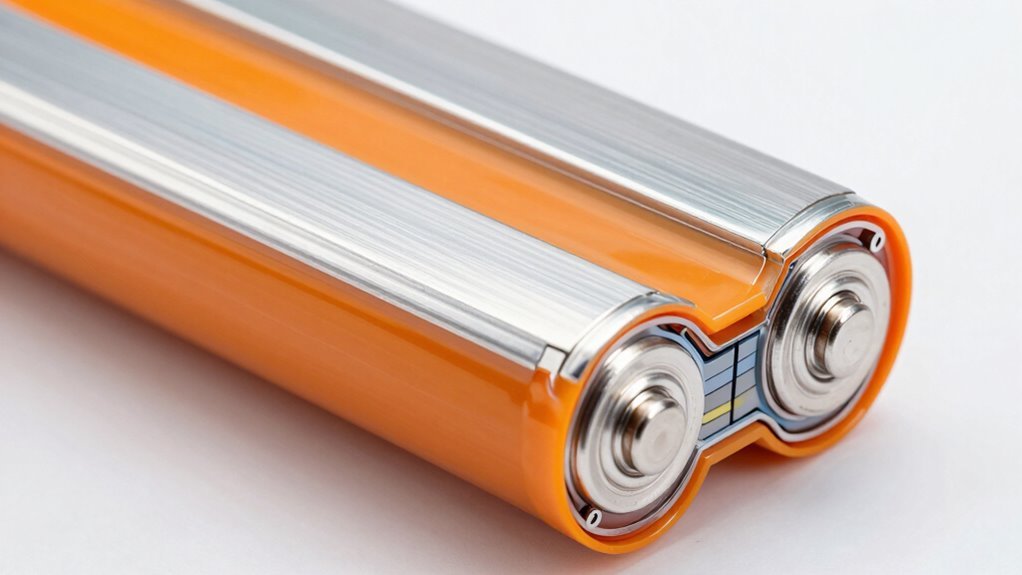
Lifepo4 batteries work by using lithium iron phosphate as the cathode material, which provides stability and safety. This chemical composition makes them less prone to overheating and thermal runaway, unlike other lithium-ion batteries. During charging and discharging, lithium ions move between the anode and cathode through an electrolyte, creating electrical energy. The iron phosphate in the cathode ensures the battery maintains its shape and chemical integrity over many cycles. This stability contributes to their durability and safety, even with frequent use. Unlike other batteries that degrade faster over time, Lifepo4 cells resist capacity loss and thermal stress. These qualities make Lifepo4 batteries ideal for applications demanding longevity and reliability, giving users confidence that their investment will last through many charge and discharge cycles.
What Is the Typical Cycle Life of a Lifepo4 Battery?
Lifepo4 batteries usually last between 2,000 and 5,000 charge cycles, depending on usage. Several factors, like depth of discharge and operating temperature, can affect their lifespan. While they have the potential for even more cycles, understanding these influences helps us maximize their longevity.
Typical Cycle Count Range
While the exact cycle life can vary based on usage and conditions, most Lifepo4 batteries typically offer between 2,000 and 5,000 charge-discharge cycles. This range makes them highly durable compared to other lithium-ion batteries. In real-world applications, this means you can expect several years of reliable service before capacity drops considerably. For example, if you use a Lifepo4 battery daily, it could last anywhere from five to fifteen years. Factors like proper maintenance, avoiding deep discharges, and temperature control can help maximize this cycle count. Overall, Lifepo4 batteries are known for their longevity, making them a popular choice for solar energy systems, electric vehicles, and backup power solutions.
Factors Influencing Longevity
Several factors can profoundly influence the actual cycle life of a Lifepo4 battery, making it essential to understand how these variables impact performance. First, operating temperature plays a significant role; high temperatures accelerate degradation, while cold conditions can reduce capacity temporarily. Second, charging practices matter—overcharging or charging too quickly can harm the battery, shortening its lifespan. Third, depth of discharge affects longevity; regularly discharging deeply wears down the battery faster. Finally, storage conditions influence longevity—storing batteries at ideal charge levels in cool, dry environments helps preserve their health. While Lifepo4 batteries are quite durable, these factors can cause variations in cycle life, so managing usage and environment is key to maximizing their lifespan.
Maximum Cycle Potential
Understanding the typical cycle life of a Lifepo4 battery helps us gauge its durability and long-term performance. On average, Lifepo4 batteries can endure around 2,000 to 5,000 charge cycles before capacity drops noticeably. This is higher than many other lithium-ion types, making them ideal for long-term use. Factors like depth of discharge, temperature, and maintenance influence this potential. To give a clearer picture:
| Cycle Count | Capacity Remaining | Usage Scenario |
|---|---|---|
| 1,000 | 80% | Daily moderate cycling |
| 2,500 | 70% | Off-grid energy storage |
| 5,000 | 60% | Heavy-duty applications |
| 10,000 | 50% | Specialized industrial use |
| 20,000+ | 30% | Extended, intensive cycles |
How Do Charging and Discharging Practices Affect Lifepo4 Battery Lifespan?
Charging and discharging practices directly impact the lifespan of Lifepo4 batteries. We’ve found that maintaining proper charge levels is vital—avoiding full discharges and not overcharging helps prevent stress on the battery’s chemistry. Shallow discharges, around 20-80%, are gentler and extend lifespan, whereas deep cycles shorten it. It’s also important to use chargers designed for Lifepo4, as incompatible chargers can cause damage or reduce capacity over time. Rapid charging might be convenient, but it can generate heat and accelerate wear, so slower, controlled charging is better. Likewise, storing batteries at moderate temperatures and not leaving them fully discharged for long periods further preserves their health. Good charging and discharging habits are essential for maximizing your Lifepo4 battery’s longevity and performance.
What Factors Influence the Number of Cycles a Lifepo4 Battery Can Achieve?
We understand that how we use our Lifepo4 batteries affects their lifespan, especially regarding usage patterns and depth of discharge. Operating conditions, like temperature, also play a critical role in how many cycles the battery can handle. By understanding these factors, we can better maximize the battery’s longevity.
Usage Patterns and Depth
The number of cycles a Lifepo4 battery can achieve largely depends on how we use and maintain it. One key factor is the depth of discharge—using the battery closer to full capacity repeatedly reduces its overall cycle life. Shallow discharges, where we only use a small percentage of the capacity, extend the battery’s lifespan considerably. Additionally, the frequency of cycling matters; frequent shallow cycles tend to preserve battery health better than deep, infrequent discharges. Consistent, moderate use helps maintain peak performance. Proper charging habits, avoiding over-discharge, and not leaving the battery at full or empty state for extended periods also influence cycle life. By understanding and adjusting our usage patterns, we can maximize the lifespan of our Lifepo4 batteries.
Operating Conditions and Temperature
Have you ever wondered how operating conditions and temperature impact the lifespan of a Lifepo4 battery? Temperature plays a vital role; high heat accelerates chemical degradation, reducing cycle life, while cold temperatures can temporarily limit performance but don’t necessarily harm the battery long-term. Ideal operating temperatures are typically between 15°C and 25°C. Excessive charging or discharging beyond recommended limits can also strain the battery, shortening its life. Additionally, high voltage during charging stresses the cells, and deep discharges can cause damage if not managed properly. Proper thermal management, avoiding extreme temperatures, and following manufacturer guidelines help maximize cycle life. By maintaining best conditions, we guarantee our Lifepo4 batteries last longer and perform reliably over time.
How Do Temperature and Operating Conditions Impact Lifepo4 Cycle Life?
Temperature and operating conditions play a crucial role in determining the cycle life of Lifepo4 batteries. High temperatures accelerate chemical reactions inside the battery, causing faster degradation of the electrodes and electrolyte, which shortens cycle life. Conversely, extreme cold can reduce performance and slow down chemical processes, impacting longevity. Operating within the manufacturer’s recommended temperature range guarantees ideal performance and extends lifespan. Overcharging, deep discharges, and high current loads under unsuitable conditions also strain the battery, reducing its number of effective cycles. Proper ventilation and avoiding constant exposure to temperature extremes are essential for maintaining battery health. By managing these conditions carefully, we can substantially improve the durability and overall cycle life of Lifepo4 batteries, helping you get the most out of your investment.
How Can You Maximize the Lifespan of Your Lifepo4 Battery?
Properly managing the conditions under which your Lifepo4 battery operates can considerably extend its lifespan. First, keep the battery within the recommended voltage range—avoiding full charges or deep discharges helps prevent stress on the cells. Store the battery in a cool, dry place when not in use, as high temperatures accelerate degradation. Use a quality charger designed for Lifepo4 batteries to prevent overcharging or undercharging. Regularly monitor the battery’s temperature and voltage during operation, and avoid exposing it to extreme environmental conditions. Implementing these practices guarantees the battery remains healthy longer, maintains peak performance, and ultimately maximizes its cycle life. Small, consistent measures make a significant difference in prolonging your Lifepo4 battery’s overall lifespan.
How Do Different Applications Affect Lifepo4 Battery Cycle Life?
Ever wonder how the specific ways we use Lifepo4 batteries influence their lifespan? Different applications put varying demands on these batteries, affecting their cycle life. For example, high-power applications like electric vehicles require rapid charging and discharging, which can wear the battery faster over time. In contrast, stationary energy storage systems often experience slower, more controlled cycles, extending their lifespan. Also, frequent shallow cycles tend to preserve capacity longer than deep discharges, especially in high-stress environments. Additionally, environmental factors like temperature and vibration, common in certain uses, can accelerate battery wear. Understanding these application-specific stresses helps us optimize usage and maintenance, ultimately enhancing the longevity of Lifepo4 batteries in diverse settings.
How Does Depth of Discharge Impact Lifepo4 Battery Performance?
The depth of discharge (DoD) considerably influences how well Lifepo4 batteries perform over time. When we discharge a Lifepo4 battery to a lower level, we generally extend its overall lifespan because fewer charge cycles are used up. For example, discharging to 20% instead of 80% reduces stress on the battery, leading to more cycles before capacity drops significantly. Conversely, frequent deep discharges accelerate capacity loss and shorten the battery’s life. We’ve found that maintaining a moderate DoD, around 50%, strikes a good balance between usable capacity and longevity. Understanding this relationship helps us optimize battery use, ensuring longer-lasting performance and better value over time. Managing DoD effectively is key to maximizing your Lifepo4 battery’s lifespan.
What Are the Signs That Your Lifepo4 Battery Is Degrading?
As Lifepo4 batteries age, certain signs indicate their performance is declining. Recognizing these signs helps us decide when it’s time for maintenance or replacement. One common indicator is a noticeable decrease in capacity, meaning the battery doesn’t hold charge as long as it used to. You might also notice longer charging times or inconsistent power output. Additionally, a rise in internal temperature during use or charging can signal degradation. If you see frequent voltage drops or the battery fails to reach its full charge, these are warning signs. Finally, physical issues like swelling, leaks, or corrosion are clear indicators that the battery is deteriorating and needs attention. Staying alert to these signs ensures peak performance and safety.
How Do You Choose the Right Lifepo4 Battery for Your Energy Needs?
How can you guarantee you select the right Lifepo4 battery to meet your energy needs? First, evaluate your power requirements—are you powering a small device or a large system? Next, consider the capacity you need, measured in amp-hours (Ah) or watt-hours (Wh), to ensure it lasts through your typical usage. Think about the cycle life, since longer-lasting batteries save money over time. Also, check the discharge rate; some batteries handle high current draws better. Finally, factor in size, weight, and budget. By understanding your energy demands and matching them with a battery’s specifications, you can confidently choose a Lifepo4 battery that’s reliable, efficient, and suited to your application.
Frequently Asked Questions
What Is the Warranty Period for Lifepo4 Batteries Regarding Cycle Life?
We typically offer a warranty of around 5 to 8 years for Lifepo4 batteries, which usually covers their cycle life, often ensuring around 2,000 to 5,000 charge-discharge cycles, depending on usage and manufacturer.
How Does Storage Duration Affect Lifepo4 Battery Longevity?
Storing LiFePO4 batteries for extended periods can decrease their longevity, especially if stored improperly or at full charge. We recommend keeping them in a cool, dry place and at about 50% charge to preserve their lifespan.
Can Lifepo4 Batteries Be Recycled After Reaching End of Cycle Life?
Yes, Lifepo4 batteries can be recycled after reaching end of cycle life. We recommend proper disposal and recycling through certified facilities to recover valuable materials and prevent environmental harm, ensuring responsible management of battery waste.
Are There Specific Brands Known for Longer Lifepo4 Cycle Life?
We’ve found that brands like CALB, Winston, and A123 are known for longer lifepo4 cycle lives. They often use high-quality materials and advanced engineering, which helps these batteries last considerably longer through numerous charge and discharge cycles.
How Do Maintenance Practices Influence Lifepo4 Battery Lifespan?
Maintenance practices are the backbone of a lifepo4 battery’s lifespan, like a gardener tending a delicate plant. We keep it balanced, avoid overcharging, and guarantee proper temperature, which helps it thrive and last longer.
Conclusion
In conclusion, Lifepo4 batteries are truly champions of longevity, often surpassing 10,000 cycles with proper care. By following best practices in charging, temperature control, and discharging, we can unleash their full potential and enjoy years of reliable power. They’re not just batteries—they’re the marathon runners of energy storage, outlasting others by a mile. So, if durability is what you seek, Lifepo4 is your ultimate powerhouse for long-term performance!