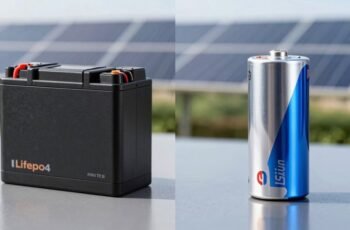
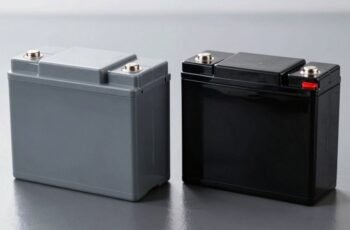
It’s a coincidence that we often hear about batteries only when they fail us, but understanding the differences between LiFePO4 and lead-acid options can considerably impact your choices. We recognize that selecting the right battery isn’t straightforward, especially with costs, performance, and safety factors at play. So, if you want to make an informed decision that suits your needs, there’s more to explore about these two popular types.
Key Takeaways
- LiFePO4 batteries have a longer lifespan (8–10 years) and over 2,000 cycles, compared to lead-acid’s 3–5 years and 500–1,000 cycles.
- LiFePO4 offers higher power output, stable voltage, and better efficiency during charge/discharge cycles.
- Lead-acid batteries are more affordable upfront but require regular maintenance and have shorter durability.
- LiFePO4 batteries are safer, with high thermal stability and minimal gas emissions, unlike hydrogen gas risks in lead-acid.
- Despite higher initial costs, LiFePO4 provides better long-term value due to lower maintenance and longer operational life.
What Are LiFePO4 and Lead-Acid Batteries?
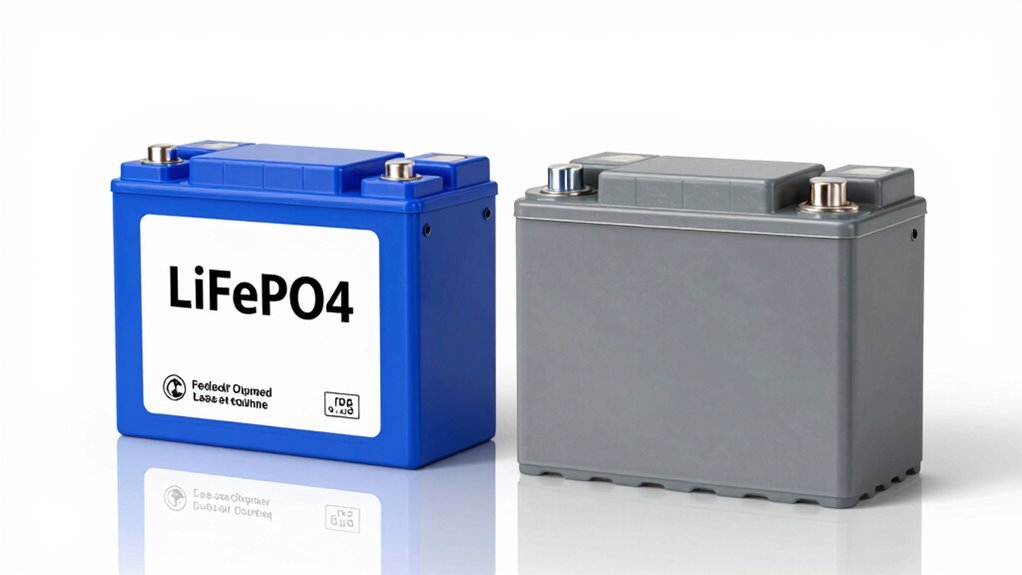
LiFePO4 and lead-acid batteries are two common types of energy storage devices, each with distinct characteristics. LiFePO4, or lithium iron phosphate batteries, are a modern lithium-ion variant known for their high energy density, long lifespan, and safety. They deliver stable power, recharge quickly, and are lightweight, making them ideal for portable and high-performance uses. Lead-acid batteries, on the other hand, have been around for over a century. They’re reliable, cost-effective, and widely used in automotive and backup power applications. However, they are heavier, have a shorter cycle life, and require regular maintenance. Both types serve different needs, and understanding their fundamental differences helps in choosing the right battery for specific applications.
Which Battery Is Best for Your Application?
Choosing the right battery depends largely on the specific needs of your application. For high power demands and quick charging, lead-acid batteries often suffice and are more affordable initially. Conversely, if longevity, lighter weight, and deeper cycling are priorities, LiFePO4 batteries excel. To help decide, consider this comparison:
| Feature | Suitability |
|---|---|
| Cost | Lead-acid for budget-focused |
| Weight | LiFePO4 for portability |
| Cycle Life | LiFePO4 for durability |
| Maintenance | Lead-acid requires more upkeep |
| Charging Speed | LiFePO4 charges faster |
Matching these factors to your application’s demands guarantees best performance and value.
How Do They Perform? Power, Charging, and Discharge
When comparing their performance, the way these batteries handle power, charging, and discharge reveals significant differences. LiFePO4 batteries deliver a higher and more consistent power output, making them ideal for demanding applications. They can handle rapid charging without damage and maintain efficiency over many cycles. Lead-acid batteries, on the other hand, often struggle with quick charging and tend to lose capacity faster with repeated cycles. During discharge, LiFePO4 batteries provide a stable voltage until nearly depleted, while lead-acid batteries experience voltage drops, reducing performance. Overall, LiFePO4 batteries offer superior power delivery, faster charging, and more reliable discharge characteristics, making them a better choice for those needing consistent performance and quicker recharge times.
How Long Do They Last? Lifespan and Durability
When comparing lifespan and durability, we focus on factors like cycle life, environmental resilience, and maintenance needs. LiFePO4 batteries generally last longer and withstand tougher conditions with less upkeep, while lead-acid batteries tend to wear out faster and require more frequent care. Understanding these differences helps us determine which battery type is more dependable over time.
Battery Cycle Life
Battery cycle life determines how many complete charge and discharge cycles a battery can endure before its capacity markedly diminishes. Generally, LiFePO4 batteries last longer, often exceeding 2,000 cycles, while lead-acid batteries typically handle around 500–1,000 cycles. This difference impacts long-term performance and replacement costs. Here’s a quick comparison:
| Battery Type | Typical Cycles | Expected Lifespan | Key Advantage |
|---|---|---|---|
| LiFePO4 | 2,000+ | 8–10 years | Longevity |
| Lead-Acid | 500–1,000 | 3–5 years | Lower upfront cost |
| Deep Cycle Models | 2,500 | 10+ years | Extended durability |
Understanding cycle life helps in choosing the right battery for your needs, ensuring reliability and value over time.
Environmental Durability
While cycle life gives us a good idea of how long a battery lasts through regular use, environmental durability determines how well it withstands harsh conditions over time. LiFePO4 batteries excel here because they’re highly resistant to temperature extremes, moisture, and vibration. They’re less prone to corrosion and degradation caused by weather exposure, making them suitable for outdoor or rugged environments. In contrast, lead-acid batteries are more sensitive to temperature fluctuations and moisture, which can shorten their lifespan if not properly protected. Over time, exposure to harsh conditions can lead to capacity loss and failure in lead-acid types. Overall, LiFePO4 batteries tend to last longer in tough environments, maintaining performance even in challenging settings.
Maintenance Requirements
LiFePO4 batteries generally require less maintenance and tend to last longer than lead-acid counterparts. They don’t need regular watering or equalization charges, reducing upkeep time and risk of damage. With proper care, LiFePO4 batteries can last 10 years or more, often maintaining over 80% of their capacity during that period. In contrast, lead-acid batteries typically last 3 to 5 years and require more frequent inspections and maintenance to prevent sulfation and corrosion. Proper charging practices are essential for both types, but LiFePO4 batteries are more forgiving and less prone to degradation if not perfectly maintained. Overall, LiFePO4 batteries offer a more durable, low-maintenance solution, making them a smarter choice for long-term use.
Are They Safe? Safety Features and Risks
Safety is a crucial factor when choosing between LiFePO4 and lead-acid batteries, as both come with their own set of risks and protective features. LiFePO4 batteries are inherently safer due to their stable chemistry, reducing the risk of thermal runaway. Lead-acid batteries, however, can produce harmful gases and are prone to leaks if damaged. To better understand, here’s a comparison:
| Safety Feature / Risk | LiFePO4 | Lead-Acid |
|---|---|---|
| Thermal Stability | High, resistant to overheating | Lower, risk of thermal runaway |
| Gas Emission | Minimal, sealed design | Produces hydrogen gas |
| Damage Risk | Less prone to leaks | Prone to spills and leaks |
Both types require proper handling, but LiFePO4 generally offers a safer profile.
What Do They Cost? Upfront and Long-Term Expenses
When comparing costs, it’s important to take into account both initial investment and long-term expenses, as these factors greatly influence the overall value of each battery type. LiFePO4 batteries typically cost more upfront but offer savings over time through longer lifespan and better efficiency. Lead-acid batteries are cheaper initially but tend to require more frequent replacements and maintenance.
Here are some key cost considerations:
- Purchase price: LiFePO4 batteries are generally 2-3 times more expensive initially.
- Replacement cycle: Lead-acid batteries may need replacement every 3-5 years, while LiFePO4 can last 10+ years.
- Maintenance costs: Lead-acid batteries often require water refills and equalization.
- Efficiency and lifespan: LiFePO4 batteries offer higher efficiency and durability, reducing total long-term expenses.
How Much Maintenance Do They Need? Ease of Use
Although both battery types require some level of maintenance, their ease of use varies considerably. Lead-acid batteries need regular checks of fluid levels, terminal cleaning, and equalizing charges to prevent sulfation and extend lifespan. They can be messy and require diligent upkeep, which can be inconvenient. In contrast, LiFePO4 batteries are virtually maintenance-free. They don’t need watering or regular cleaning, and their built-in Battery Management System (BMS) handles safety and performance. This makes them much simpler to operate and maintain over time. For users seeking hassle-free use, LiFePO4 batteries are clearly more convenient. Lead-acid batteries, while cheaper upfront, demand ongoing attention and care. Overall, LiFePO4 batteries offer a more straightforward and worry-free experience for most users.
How to Choose the Right Battery for Your Needs
When selecting the right battery, we consider how long it lasts and how tough it is over time. Cost and maintenance also play a big role in making the best choice for your specific needs. Let’s look at how these factors can guide you toward the right option.
Battery Lifespan and Durability
Choosing the right battery depends heavily on understanding their lifespan and durability, as these factors determine how long your investment will last and how well it will perform over time. LiFePO4 batteries generally last longer and handle more charge cycles than lead-acid batteries, making them more durable over extended use. To compare, consider these aspects:
- Cycle Life: LiFePO4 batteries often provide 2,000+ cycles, while lead-acid batteries typically offer 500-1,000 cycles.
- Depth of Discharge (DoD): LiFePO4 can be regularly discharged deeper without damage, unlike lead-acid batteries.
- Temperature Tolerance: LiFePO4 performs better in extreme temperatures, maintaining longevity.
- Maintenance Needs: Lead-acid batteries require regular maintenance, potentially reducing their lifespan, whereas LiFePO4 batteries are mostly maintenance-free.
Cost and Maintenance Factors
Considering the differences in lifespan and durability, evaluating the cost and maintenance requirements becomes essential in selecting the right battery for your needs. LiFePO4 batteries typically have higher upfront costs but lower maintenance and longer life, making them cost-effective over time. Lead-acid batteries are cheaper initially but need regular watering, equalizing charges, and replacement sooner. Here’s a quick comparison:
| Aspect | LiFePO4 | Lead-Acid |
|---|---|---|
| Initial Cost | Higher | Lower |
| Maintenance | Minimal | Regular watering, equalizing |
| Lifespan | 8-10 years | 3-5 years |
| Total Cost | Lower over lifespan | Higher due to replacements |
Choosing the right battery depends on your budget, usage, and willingness to handle maintenance.
Frequently Asked Questions
Can Lifepo4 Batteries Be Recycled Easily?
Yes, LiFePO4 batteries can be recycled more easily than traditional batteries. We can recycle their valuable components, like lithium and phosphate, through established processes, reducing waste and environmental impact. It’s a more sustainable option for everyone.
How Do Temperature Variations Affect Battery Performance?
Temperature variations profoundly impact battery performance; high temperatures can cause faster degradation, while cold temperatures reduce capacity and efficiency. We always recommend keeping batteries within ideal temperature ranges to guarantee longevity and consistent performance.
Are There Environmental Benefits to Choosing Lifepo4?
Choosing LiFePO4 batteries benefits the environment like planting a tree—long-lasting, less toxic, and more sustainable. We’ve seen their lower carbon footprint and recyclability reduce ecological harm, making them a greener choice for our energy future.
What Are Common Misconceptions About These Batteries?
We believe some think LiFePO4 batteries are too expensive or fragile, but they’re actually durable, cost-effective over time, and safer, making them a smart, reliable choice for many applications, contrary to common misconceptions.
How Do Warranty Policies Differ Between Brands?
Warranties vary widely; some brands offer 10-year coverage, while others provide only 2-3 years. We’ve found that reputable brands typically offer longer, more all-encompassing warranties, giving you better peace of mind and assurance of quality.
Conclusion
In sum, selecting the suitable battery depends on your needs, balancing budget, brilliance, and durability. LiFePO4 batteries lead with longevity, safety, and speed, making them a smart, sustainable choice for serious, sustained use. Lead-acid options, while less costly upfront, falter in features and flexibility. By weighing your requirements wisely, we can choose the champion that charges, endures, and excels, ensuring power and performance perfectly match your pursuit.