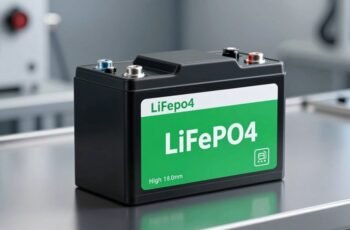
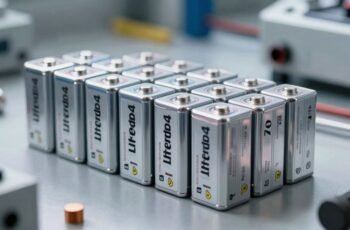
When evaluating LiFePO4 batteries, it’s essential to consider both their technical advantages and limitations. While they offer notable benefits like safety and longevity, their lower energy density and higher initial costs pose challenges. Understanding these trade-offs is vital for making informed decisions in applications like renewable energy or electric vehicles. As we explore their pros and cons, you’ll gain insights into whether they align with your specific needs and long-term goals.
Key Takeaways
- Lithium iron phosphate (LiFePO4) offers excellent thermal stability and safety, reducing risks of thermal runaway and fire.
- It has a longer cycle life and durability, making it cost-effective over time despite higher initial costs.
- Lower energy density compared to other lithium-ion chemistries means larger size and weight for the same capacity.
- Recycling is environmentally friendly but requires specialized facilities to handle hazardous materials safely.
- Suitable for applications demanding safety and longevity, such as solar storage and electric vehicles, but less ideal where space and weight are critical.
What Are Lithium Iron Phosphate (LiFePO4) Batteries and How Do They Work?
Lithium Iron Phosphate (LiFePO4) batteries are a type of lithium-ion battery distinguished by their cathode composition, which uses lithium iron phosphate instead of other lithium metal oxides. This chemical structure enhances thermal stability and safety, making them suitable for various applications. Understanding their operation involves analyzing charge and discharge cycles, where efficient charging techniques optimize lifespan and performance. Proper charging reduces stress on the battery, aiding in longevity and safety. Additionally, battery recycling becomes essential at the end of their service life, as LiFePO4 batteries contain environmentally sensitive materials. Their stable chemistry facilitates safer recycling processes compared to other lithium-ion chemistries. Overall, these technical features contribute to the durability and sustainability of LiFePO4 batteries, making them a compelling choice for many energy storage needs.
LiFePO4 Batteries vs. Other Battery Types: Which Is Right for You?
When comparing LiFePO4 batteries to other types, we consider energy density, cost, longevity, safety, and environmental impact to determine the best fit. Each battery chemistry offers distinct advantages and limitations that influence performance and application suitability. Analyzing these key points helps identify which technology aligns with your specific energy needs and operational priorities.
Energy Density Comparison
Although energy density is a critical factor in choosing a battery type, LiFePO4 batteries generally lag behind other lithium-ion chemistries in this aspect. Their lower volumetric and gravimetric energy densities mean more space and weight are needed for equivalent power storage, which can impact applications like portable devices. However, LiFePO4’s stable chemistry enhances thermal management, reducing overheating risks and enabling safer battery recycling processes. Compared to NMC or NCA chemistries, LiFePO4 batteries offer:
- Slightly lower energy density, leading to larger size or weight
- Superior thermal stability, improving safety margins
- Easier battery recycling due to less hazardous materials
- Consistent performance across temperature ranges
While energy density might be a limiting factor, LiFePO4’s advantages in thermal management and safety make it suitable for specific use cases, especially where safety and longevity are prioritized over compactness.
Cost and Longevity
While energy density concerns may influence size and weight considerations, evaluating cost and longevity offers a more thorough view of a battery’s long-term viability. LiFePO4 batteries typically have higher upfront costs compared to lead-acid or nickel-based alternatives, but their extended cycle life—often exceeding 2,000 cycles—reduces total ownership expenses. Their durability also simplifies maintenance and replacement schedules. Additionally, LiFePO4 batteries present advantages in battery recycling, as their chemistry facilitates safer, more efficient recycling processes, mitigating environmental impact. However, manufacturing challenges, such as sourcing high-quality lithium and ensuring consistent cell production, can influence cost stability over time. Overall, LiFePO4’s longevity and recyclability make it a cost-effective choice for long-term applications, despite higher initial investment.
Safety and Environmental Impact
LiFePO4 batteries stand out for their superior safety profile and environmentally friendly design compared to other chemistries such as lead-acid and nickel-based batteries. They are thermally stable, reducing risks of thermal runaway, and contain no toxic heavy metals, lowering toxicity concerns. However, recycling challenges persist, as their chemical composition complicates disposal and reclamation processes. Compared to lead-acid batteries, LiFePO4’s lighter materials ease transportation and handling safety. Additionally, their longevity decreases the frequency of replacements, reducing waste. Yet, the environmental impact of recycling remains a concern, requiring advances in recycling technology to address toxicity and material recovery efficiently. Overall, LiFePO4 batteries offer significant safety advantages, but responsible disposal and recycling strategies are essential for minimizing environmental impact.
Pros and Cons of Using LiFePO4 Batteries
We find that LiFePO4 batteries offer a particularly long cycle life and enhanced safety features, making them reliable for demanding applications. However, their higher initial cost can be a significant factor in decision-making. Understanding these trade-offs helps us evaluate whether their benefits outweigh the investment for your specific needs.
Long Cycle Life
A key advantage of LiFePO4 batteries is their exceptional cycle life, which markedly exceeds that of many other lithium-ion chemistries. This longevity results from the stable chemistry and robust electrode materials, allowing for extensive charge-discharge cycles. However, maintaining this cycle life depends on proper thermal management, as excessive heat accelerates capacity fade. Additionally, the long cycle life facilitates sustainable practices, such as battery recycling, reducing environmental impact. Nonetheless, the extended lifespan may lead to challenges in managing end-of-life recycling logistics efficiently. Moreover, the durability underscores the importance of designing systems that optimize thermal conditions and facilitate reuse. Overall, LiFePO4’s long cycle life offers significant advantages but requires careful attention to thermal management and recycling processes to maximize benefits.
Enhanced Safety Features
One of the primary advantages of using LiFePO4 batteries is their inherently enhanced safety profile, which stems from their stable chemical composition. Unlike other lithium-ion chemistries, LiFePO4 resists thermal runaway, reducing the risk of fires or explosions. Effective thermal management is vital, as it maintains ideal operating temperatures and prevents overheating, further improving safety. Additionally, lithium iron phosphate batteries are more environmentally friendly, facilitating safer battery recycling processes due to their non-toxic materials. This stability also means they are less prone to capacity loss or degradation under stress, enhancing overall safety during operation and disposal. While their chemistry inherently promotes safety, proper thermal management and responsible recycling practices are essential for maximizing these benefits and ensuring safe, sustainable use.
Higher Cost Investment
Although LiFePO4 batteries offer notable safety and longevity benefits, their higher upfront cost remains a considerable consideration for potential users. This cost is primarily driven by higher manufacturing expenses due to advanced materials and more complex production processes. Additionally, while their longer lifespan reduces replacement frequency, initial investment can be a barrier. The higher cost also influences the battery recycling process, as specialized skills and facilities are required to handle their chemistry safely.
- Manufacturing costs contribute substantially to the initial price, but economies of scale may reduce this over time.
- Battery recycling adds to expenses, ensuring environmentally responsible disposal.
- The upfront cost can limit accessibility for budget-conscious applications.
- Despite higher costs, the extended lifespan and safety features can justify the investment in the long run.
Are LiFePO4 Batteries Safe and Eco-Friendly?
LiFePO4 batteries are widely regarded as safer and more environmentally friendly compared to other lithium-ion chemistries, primarily due to their stable chemical composition. This stability considerably reduces the risk of thermal runaway and fires, enhancing safety for users. Additionally, their non-toxic materials contribute to a lower environmental impact. From a manufacturing perspective, LiFePO4 batteries support sustainability through longer cycle life and reduced degradation, minimizing waste. Their design also facilitates effective battery recycling, enabling the recovery of valuable materials and decreasing landfill waste. Overall, the combination of inherent safety features and eco-conscious manufacturing practices makes LiFePO4 batteries a responsible choice for environmentally aware consumers and industries focused on reducing their ecological footprint.
Key Factors to Consider When Choosing a LiFePO4 Battery
Choosing the right LiFePO4 battery involves evaluating several technical factors to guarantee ideal performance and longevity. Key considerations include capacity, cycle life, and thermal stability, which directly impact operational efficiency. Additionally, examining manufacturing sustainability ensures environmentally responsible sourcing and production practices, while understanding battery recycling options helps mitigate long-term ecological impact.
- Capacity and voltage compatibility with your system’s requirements
- Cycle life and degradation rate to predict long-term performance
- Thermal stability for safe operation under various conditions
- Manufacturing sustainability and recycling plans to support eco-friendly practices
Prioritizing these factors ensures a balanced decision, optimizing both performance and environmental responsibility in your LiFePO4 battery choice.
Are LiFePO4 Batteries Good for Solar Storage, EVs, or Portable Power?
Given their high energy density, stability, and long cycle life, LiFePO4 batteries are particularly well-suited for solar storage, EVs, and portable power. Their safety profile and consistent performance make them ideal for these demanding applications. Manufacturing advancements have enhanced their efficiency, while improved battery recycling methods address environmental concerns. These batteries deliver reliable power, even under sustained use, and their longevity reduces replacement costs.
| Feature | Benefit | Concern |
|---|---|---|
| High cycle life | Extended lifespan, fewer replacements | Recycling infrastructure needed |
| Stability | Safe operation in various conditions | Manufacturing consistency |
| Energy density | Compact, lightweight design for portability | Supply chain reliability |
Should You Choose LiFePO4 Batteries? Final Tips and Recommendations
While LiFePO4 batteries offer numerous advantages, selecting the right energy storage solution depends on specific application needs and operational priorities. When considering LiFePO4, evaluate factors like lifecycle, safety, and maintenance. Proper charging techniques are vital to maximize lifespan and performance, minimizing risks of overcharging or deep discharges. Additionally, planning for Battery Recycling guarantees environmentally responsible disposal and potential reuse of materials.
Key considerations include:
- Compatibility with existing systems
- Long-term cost efficiency
- Environmental impact and recycling options
- Suitability for your specific voltage and capacity requirements
Ultimately, choosing LiFePO4 hinges on aligning technical benefits with your operational goals, ensuring maximum safety, sustainability, and performance over time.
Conclusion
Ultimately, choosing LiFePO4 batteries is like steering a carefully charted voyage—balancing safety, durability, and sustainability against energy density and cost. Their steady, unwavering stability anchors long-term reliability, much like a lighthouse guiding through uncertain waters. While they may not be the fastest or cheapest option, their resilience and eco-conscious nature make them a steadfast compass for solar storage, EVs, and portable power. In this journey, informed choice becomes the true north guiding our innovative path forward.