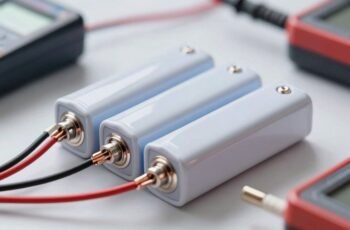
Studies show that improper parallel charging can lead to voltage imbalances in LiFePO4 batteries, reducing lifespan and risking safety. As professionals, we recognize that meticulous attention to initial setup, voltage matching, and monitoring is essential to avoid these issues. Ensuring each battery is equally charged before connection and employing appropriate management systems can greatly improve performance. The process, however, involves nuanced steps that are critical for safe and effective parallel charging—details we’ll explore further.
Key Takeaways
- Ensure all batteries are at similar voltage and state of charge before connecting in parallel.
- Use a compatible, properly rated charger designed for Lifepo4 batteries and parallel configurations.
- Maintain secure, correct wiring—positive to positive, negative to negative—using high-quality connectors and cables.
- Monitor voltage and current during charging to prevent overcharging and imbalance among cells.
- Implement a BMS to automatically balance cells and enhance safety during parallel charging.
Why Proper Parallel Charging Matters for LiFePO4 Batteries
Because LiFePO4 batteries are often charged in parallel to increase capacity, it’s crucial to understand that improper charging can lead to uneven voltage distribution and potential damage. The unique battery chemistry of LiFePO4 requires consistent voltage levels to maintain ideal charging efficiency. When batteries are not evenly charged, the discrepancy in voltage can cause current backflow, stressing individual cells and reducing overall lifespan. Proper parallel charging ensures uniform voltage levels, maintaining the integrity of each cell and maximizing charging efficiency. Without careful management, disparities in voltage can compromise safety and performance. Thus, understanding the interplay between battery chemistry and charging practices is essential to prevent damage, enhance lifespan, and sustain reliable energy output in parallel configurations.
How to Prepare Your Batteries and Equipment for Safe Charging
Before initiating parallel charging, we must thoroughly inspect each battery’s condition to identify any signs of damage or imbalance. Ensuring the use of appropriate, manufacturer-recommended charging equipment is essential to prevent overcurrent or voltage issues. Proper preparation minimizes risks and promotes safe, efficient charging of LiFePO4 batteries.
Inspect Battery Condition
How can we guarantee the safety and reliability of our LiFePO4 batteries before charging? First, we thoroughly inspect each cell for signs of damage, corrosion, or swelling, which could compromise safety. We verify the state of charge to prevent over-discharge or overcharge, ensuring compatibility with the charger. Regularly reviewing battery recycling history helps identify aged or degraded units that may need replacement. Compatibility between batteries and chargers is critical; mismatched or incompatible equipment can lead to thermal runaway or reduced lifespan.
| Inspection Step | Purpose |
|---|---|
| Visual Inspection | Detect physical damage or corrosion |
| Check Voltage & State of Charge | Confirm safe, balanced charge levels |
| Verify Charger Compatibility | Ensure proper charging parameters |
| Review Battery Recycling Status | Identify aged or compromised batteries |
Use Proper Charging Equipment
To guarantee safe and efficient charging of LiFePO4 batteries, selecting and preparing the appropriate charging equipment is essential. Understanding the battery chemistry ensures compatibility with chargers designed specifically for LiFePO4 chemistry, preventing overcharging or damage. Using the correct charging connectors is crucial for establishing secure, low-resistance connections that minimize voltage drops and heat buildup. We verify that the charger’s voltage and current ratings align with the battery pack’s specifications, ensuring safe operation. Properly rated connectors prevent accidental mismatches, which could lead to short circuits or uneven charging in parallel configurations. Preparing equipment with high-quality, compatible components ensures reliable performance and prolongs battery lifespan. This systematic approach to equipment selection is fundamental for safe, balanced, and efficient LiFePO4 battery charging.
Step-by-Step: Connecting LiFePO4 Batteries in Parallel
Connecting LiFePO4 batteries in parallel requires careful attention to detail to guarantee safety and ideal performance. The unique battery chemistry of LiFePO4 demands precise connection techniques to prevent imbalance and ensure longevity. First, inspect each battery for matching voltage and capacity, as disparities can cause current imbalances. Use thick, high-quality cables with appropriate connectors, ensuring secure, tight connections. Connect the batteries positive terminal to positive and negative to negative in a sequence that minimizes stress on individual cells. Verify all connections are solid before proceeding. Proper wiring helps maintain consistent voltage and current distribution, essential for LiFePO4 chemistry. This methodical approach minimizes risks like overheating or cell damage, ensuring reliable parallel operation and maximum battery lifespan.
How to Set the Right Voltage and Current for Parallel Charging
To guarantee safe and efficient parallel charging of Lifepo4 batteries, we must carefully determine the appropriate voltage settings to prevent overcharging and ensure uniform cell balancing. Setting the correct current limits is equally critical, as it influences charge speed while protecting battery longevity. By precisely calibrating these parameters, we optimize performance and minimize risks associated with improper charging practices.
Proper Voltage Settings
Ensuring the correct voltage settings during parallel charging is essential to prevent damage and optimize battery lifespan. Lifepo4 batteries have specific voltage thresholds dictated by their chemistry, typically around 3.65V per cell during charging. Setting the voltage too high risks overcharging and damaging the cells, while too low can result in incomplete charging. Precise voltage regulation depends on understanding the battery chemistry and adhering to manufacturer specifications. When connecting multiple batteries, charging connectors must be configured to ensure equal voltage distribution across all units, preventing imbalance. Accurate voltage settings help maintain cell balance and prolong battery life. Proper calibration and monitoring are critical, especially when managing multiple Lifepo4 cells, to guarantee safe, efficient parallel charging.
Appropriate Current Limits
How do we determine the appropriate current limits when charging Lifepo4 batteries in parallel? Battery chemistry dictates that Lifepo4 cells tolerate higher charge rates safely, typically up to 0.5C to 1C. To prevent stress and ensure longevity, we set current limits accordingly, considering each cell’s capacity. Charging cables must be rated for the maximum current to avoid overheating or voltage drops, which could compromise safety and efficiency. When charging in parallel, the total current should be distributed evenly, avoiding excessive load on any single cell. Precise current regulation ensures balanced charging, minimizes imbalance, and maintains battery health. By understanding battery chemistry and selecting suitable charging cables, we can optimize the charging process for safety, performance, and lifespan.
How to Monitor Your Batteries During Charging
Monitoring your Lifepo4 batteries during charging is essential to maintain safety and maximize performance. We focus on tracking battery capacity to guarantee each cell charges uniformly, preventing overcharging or capacity imbalance. Monitoring charging speed allows us to verify that current flow aligns with specified limits, reducing risk of thermal runaway or damage. We use precise voltage and current measurements, often with a multimeter or dedicated BMS, to observe real-time data. Consistent monitoring helps detect early signs of cell deviation or potential faults, informing adjustments to charging parameters. By maintaining close oversight of battery capacity and charging speed, we ensure safe, efficient, and balanced parallel charging, prolonging battery lifespan and delivering maximum performance.
Troubleshooting Common Problems When Charging in Parallel
When charging Lifepo4 batteries in parallel, several common issues can disrupt the process and compromise safety or performance. Unequal current distribution often leads to uneven charging speed, which accelerates battery aging and reduces overall battery lifespan. Overcurrent situations can cause thermal stress, risking damage to individual cells and decreasing the reliability of the entire pack. Voltage imbalances, if unchecked, may result in overcharging or undercharging specific batteries, further shortening lifespan and impairing performance. Additionally, inadequate wiring or poor connections create resistance points that hinder efficient charging. Troubleshooting these problems involves verifying wiring integrity, ensuring balanced current flow, and monitoring voltage levels. Addressing these issues promptly helps maintain ideal charging conditions, preserves battery lifespan, and achieves consistent charging speed.
How to Keep Your Batteries Balanced and Healthy
Maintaining balanced and healthy Lifepo4 batteries in a parallel configuration requires careful attention to voltage and current equalization. Due to their specific battery chemistry, Lifepo4 cells are less prone to voltage sag but still demand monitoring to prevent imbalance. Regularly checking voltage levels across each cell during charging cycles ensures uniformity, minimizing capacity fade. Implementing a battery management system (BMS) tailored for Lifepo4 chemistries can automatically balance cells and prevent overcharging or undervoltage conditions. Consistent charging cycles, with appropriate current limits, sustain cell health and prolong lifespan. Properly managing these factors reduces the risk of capacity loss and extends overall battery life, ensuring that all cells remain synchronized and perform at their best over time.
Safety Tips for Parallel LiFePO4 Battery Charging
Ensuring safety during the parallel charging of LiFePO4 batteries is critical to prevent accidents and preserve battery integrity. Proper procedures mitigate risks such as thermal runaway, overcurrent, and potential fire hazards. Consistent monitoring of voltage and current ensures balanced charging and avoids damage. Adhering to storage best practices, including proper insulation and temperature control, reduces degradation and safety risks over time. Additionally, safe handling and maintenance support responsible battery recycling, preventing environmental harm and conserving resources. Using appropriately rated chargers and ensuring secure connections minimizes the chance of short circuits. Regularly inspecting batteries for signs of wear or damage helps maintain safety standards. These measures collectively uphold system reliability and ensure safe, efficient parallel charging practices.
When to Consult a Professional for Battery Parallel Setup
Because proper parallel battery setup involves complex electrical considerations, consulting a professional becomes crucial when dealing with large battery banks or unfamiliar configurations. Incorrect setup risks imbalanced charging, reduced lifespan, or safety hazards. Professionals can guarantee proper wiring, balancing, and integration with existing systems, reducing the need for DIY repair later. Additionally, they can advise on safe battery recycling practices for end-of-life packs, which is critical to environmental compliance. When considering a large-scale setup or integrating LiFePO4 batteries into complex systems, expert guidance is essential.
You should seek professional help if:
- The system involves high voltage or capacity
- You’re unsure about wiring or balancing procedures
- You need assistance with safe battery recycling or disposal
Conclusion
By carefully following these steps, we can guarantee safe, efficient parallel charging of LiFePO4 batteries. Yet, even with meticulous preparation, unforeseen issues may arise, risking battery health or safety. Staying vigilant and understanding the nuances of voltage balancing and monitoring is essential. Are you truly ready to master this process, or could overlooked details compromise your setup? The power lies in precision—are you prepared to access it fully?