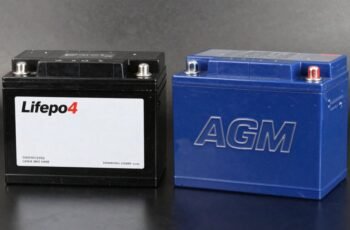
Did you know that choosing the right solar battery can profoundly impact your system’s longevity and overall cost? Many people overlook the subtle differences between Lifepo4 and lead-acid batteries, which can lead to unexpected expenses or safety risks down the line. Understanding these distinctions is essential, but it’s not always straightforward. Let’s explore what makes each option unique and how your long-term goals should influence your decision.
Key Takeaways
- Lifepo4 batteries offer higher energy density, longer lifespan, and better efficiency compared to lead-acid for solar energy storage.
- Lead-acid batteries are cheaper upfront but require more frequent replacements, increasing long-term costs.
- Lifepo4 is safer, with stable chemistry and built-in protections, reducing fire and leak risks.
- Lead-acid batteries are heavier, larger, and more maintenance-intensive, making Lifepo4 more suitable for space-constrained setups.
- Consider long-term goals and budget: Lifepo4 provides durability and performance benefits despite higher initial investment.
Understanding the Differences Between Lifepo4 and Lead-Acid Batteries
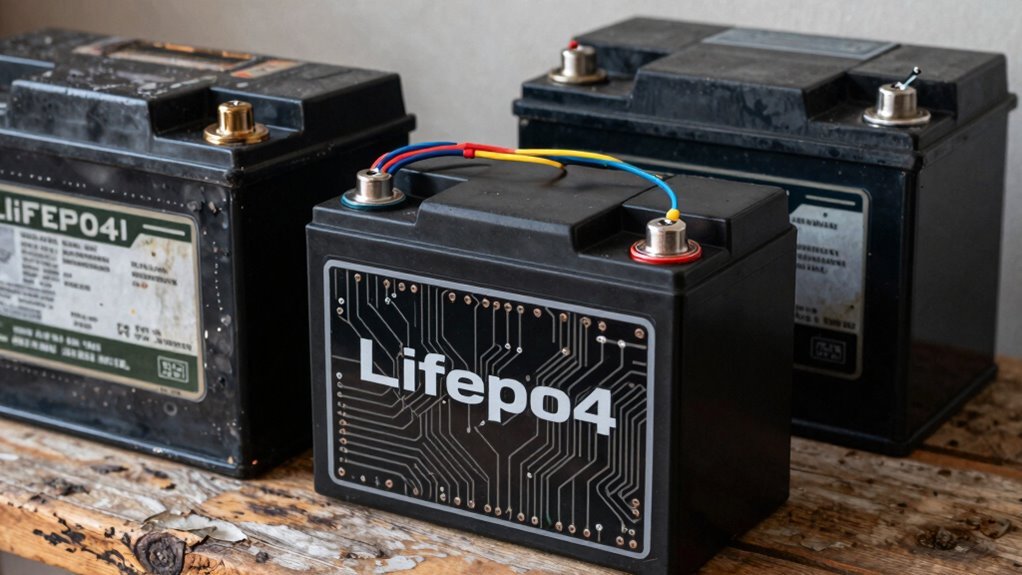
When choosing between Lifepo4 and lead-acid batteries for solar energy storage, understanding their fundamental differences is essential. Lifepo4 batteries use lithium iron phosphate chemistry, offering higher energy density, longer lifespan, and better efficiency. They’re lighter, recharge faster, and handle more charge cycles without degrading. Lead-acid batteries, on the other hand, are older technology, typically more affordable upfront but with shorter lifespans and less efficient performance. They are heavier, require more maintenance, and have a lower depth of discharge. Lifepo4 batteries also maintain consistent voltage throughout discharge, unlike lead-acid types that see voltage drop. Knowing these core distinctions helps us evaluate which battery type aligns with our energy needs, budget, and maintenance preferences.
Which Battery Is Better for Long-Term Cost Savings?
While understanding the differences between Lifepo4 and lead-acid batteries helps inform our choices, considering long-term cost savings is often the deciding factor. Lifepo4 batteries generally offer better value over time due to their longer lifespan and higher efficiency.
Long-term savings favor Lifepo4 batteries with their durability and efficiency.
Here are three key reasons:
- Longevity: Lifepo4 batteries typically last 8-10 years, compared to 3-5 years for lead-acid, reducing replacement costs.
- Efficiency: Higher charge/discharge efficiency means less energy wasted, lowering overall energy costs.
- Maintenance: Lifepo4 requires minimal upkeep, saving money on maintenance and replacement over the years.
Ultimately, while initial costs may be higher, Lifepo4 batteries tend to be more economical long-term.
How Do Size and Weight Affect Your Solar Battery Choice?
The size and weight of a solar battery directly impact how easily it fits into your setup and how portable it is. Larger, heavier batteries may require reinforced mounting and can limit mobility, especially for off-grid or mobile applications. Smaller batteries are easier to install and transport but might not meet your energy needs. When choosing, consider these factors:
| Aspect | Impact |
|---|---|
| Size | Limits placement options and expansion ease |
| Weight | Affects portability and structural support |
| Capacity-to-Size | Larger batteries often store more energy |
| Installation Ease | Smaller, lighter batteries simplify setup |
Balancing size and weight with energy requirements ensures you pick a battery that’s both practical and effective for your solar system.
Safety Features of Lifepo4 vs. Lead-Acid Batteries
Safety features are a key consideration when comparing Lifepo4 and lead-acid batteries for your solar system. Lifepo4 batteries are inherently safer due to their stable chemistry, reducing risks of thermal runaway and fires. They also have built-in protections like over-voltage, over-current, and temperature monitoring, ensuring safe operation. Lead-acid batteries, on the other hand, can pose more hazards, such as acid leaks, which can damage equipment and cause injuries.
Here are key safety features:
- Thermal stability – Lifepo4 resists overheating, unlike lead-acid.
- Chemical stability – Lifepo4’s non-toxic chemistry minimizes leak risks.
- Built-in protections – Lifepo4 batteries include integrated safety circuitry, unlike traditional lead-acid designs.
This makes Lifepo4 batteries a safer choice overall.
Best Solar Applications for Each Battery Type
Different battery types excel in various solar applications. We find Lifepo4 batteries are ideal for off-grid residential setups, thanks to their longevity and safety, while lead-acid batteries often suit larger commercial solar installations with their lower upfront costs. Understanding these differences helps us choose the best battery for each specific application.
Residential Off-Grid Use
Have you ever wondered which battery type suits a residential off-grid solar system best? When choosing between Lifepo4 and lead acid, it’s essential to consider factors like longevity, maintenance, and safety. For off-grid homes, Lifepo4 batteries shine because they offer:
- Longer lifespan—up to 10 years or more, reducing replacement costs.
- Higher efficiency—better charge/discharge rates mean more usable energy.
- Safer operation—less risk of thermal runaway and better thermal stability.
Lead acid batteries, while cheaper upfront, often need more maintenance, have shorter cycles, and pose safety concerns with acid leaks. For residential off-grid setups, Lifepo4 batteries are generally the smarter investment, providing reliability and peace of mind over the long haul.
Commercial Solar Installations
When selecting batteries for large-scale commercial solar installations, understanding which type best fits specific applications can considerably impact system performance and longevity. Lifepo4 batteries excel in these settings due to their high energy density, longer lifespan, and improved safety profile. They handle deep discharges better, making them ideal for grid-tied and utility-scale projects where reliability is vital. Lead acid batteries, on the other hand, remain cost-effective upfront and are suitable for smaller commercial setups or backup applications. They require more maintenance and have a shorter lifespan, which can increase long-term costs. For large, ongoing operations demanding durability and minimal downtime, Lifepo4 batteries often deliver better value. Ultimately, choosing the right battery depends on the specific energy needs, budget, and maintenance capacity of the installation.
Maintenance and Charging: Lifepo4 vs. Lead-Acid
When it comes to maintenance and charging, Lifepo4 and lead-acid batteries have different requirements that can impact their longevity. We’ll explore how each type needs specific procedures to keep them in top shape and how their overall lifespan compares. Understanding these differences helps us choose the right battery for reliable, low-maintenance solar energy storage.
Charging Requirements and Procedures
Charging requirements and procedures differ markedly between LiFePO4 and lead-acid batteries, and understanding these differences is essential for proper maintenance and longevity. LiFePO4 batteries are more tolerant of higher charge voltages and can handle faster charging without damage. In contrast, lead-acid batteries require careful regulation to prevent overcharging, which can cause sulfation or damage.
Key considerations include:
- Charging Voltage: LiFePO4 typically charges around 14.6V, while lead-acid needs a strict 14.4V limit.
- Charge Rate: LiFePO4 batteries accept higher current rates safely, enabling faster charging, whereas lead-acid batteries need a controlled, slower charge.
- Temperature Compensation: Both types benefit from temperature-based adjustments, but lead-acid batteries are more sensitive to overcharging in cold conditions.
Maintenance and Longevity
Maintaining ideal performance and extending the lifespan of our batteries requires understanding their fundamental differences in durability and care. Lifepo4 batteries generally demand less maintenance than lead-acid ones. They don’t require regular equalization or watering, which reduces the risk of damage from improper handling. Lifepo4 cells are more tolerant of deep discharges and can withstand more cycles, translating to a longer lifespan—often up to 10 years or more. Lead-acid batteries, on the other hand, need regular maintenance, including watering and equalizing charges, to prevent sulfation and capacity loss. They typically last 3-5 years and are more sensitive to improper care. Proper maintenance, along with correct charging practices, directly impacts longevity, making Lifepo4 batteries a more reliable and low-maintenance choice over time.
Environmental Impact of Lifepo4 and Lead-Acid Batteries
Although both Lifepo4 and lead-acid batteries have environmental concerns, Lifepo4 batteries generally offer a more sustainable option due to their longer lifespan and fewer toxic materials. Lifepo4 batteries produce less harmful waste and require less frequent replacements, reducing overall resource consumption.
Lifepo4 batteries are more sustainable, with longer life, fewer toxins, and easier recycling.
Some key environmental advantages include:
- Reduced toxic emissions: Lifepo4 batteries contain no lead or sulfuric acid, minimizing hazardous waste.
- Longer lifecycle: Fewer replacements mean less manufacturing impact and waste generation.
- Recycling potential: Lifepo4 batteries are easier to recycle, decreasing environmental contamination risks.
How to Choose the Right Battery for Your Solar Budget
Are you unsure how to select the best battery for your solar setup without overspending? First, determine your energy needs and budget. Lifepo4 batteries cost more upfront but last longer and have higher efficiency, making them cost-effective over time. Lead-acid batteries are cheaper initially but require replacement sooner and need more maintenance. Consider your long-term goals—if you plan to expand your system, investing in Lifepo4 might save money in the long run. Also, think about space and weight; Lifepo4 batteries are lighter and more compact. Don’t forget to compare warranties and supported cycle life. By understanding these factors, you can balance your budget with your energy requirements, ensuring you choose a battery that offers the best value for your solar investment.
Frequently Asked Questions
How Do Lifepo4 and Lead-Acid Batteries Perform in Extreme Temperatures?
We find that Lifepo4 batteries handle extreme temperatures better, maintaining performance without much degradation. Lead-acid batteries, however, struggle in very cold or hot conditions, often losing capacity or needing extra maintenance to stay reliable.
Can Lifepo4 Batteries Be Recycled More Easily Than Lead-Acid?
We believe Lifepo4 batteries beat lead-acid ones in recycling ease, thanks to their eco-friendly, efficient processes. Recycling is simpler, safer, and more sustainable, making Lifepo4 a smarter, cleaner choice for conserving resources and reducing environmental impact.
What Is the Typical Lifespan Difference Between the Two Battery Types?
We find Lifepo4 batteries typically last 8 to 15 years, whereas lead-acid batteries usually last 3 to 5 years. This longer lifespan means fewer replacements, saving money and reducing environmental impact over time.
Are There Compatibility Issues With Existing Solar Systems?
Imagine your solar system as a well-oiled machine—most batteries, whether Lifepo4 or lead acid, seamlessly fit without issues. We haven’t encountered compatibility problems, but consulting your system’s specifications guarantees smooth integration and peak performance.
How Do Charging Times Compare Between Lifepo4 and Lead-Acid Batteries?
Charging times vary, but we find Lifepo4 batteries generally charge faster than lead-acid ones. Their efficient chemistry allows quicker energy replenishment, meaning less downtime and more reliable power for your solar system.
Conclusion
Ultimately, choosing the right battery is a journey we all take toward a more sustainable future. While Lifepo4 offers a graceful dance of longevity and safety, lead-acid batteries serve as a humble stepping stone. By understanding our needs and long-term visions, we can navigate this path wisely. With careful consideration, we’ll find the perfect energy partner to light our way—bright, reliable, and in harmony with our goals.