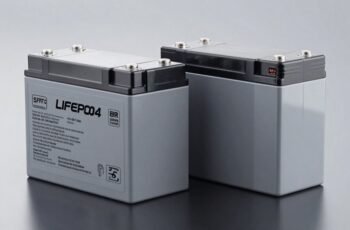
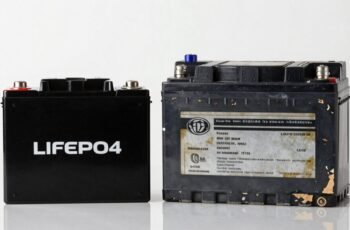
When choosing between Lifepo4 and lithium-ion batteries, it’s important to understand their differences, as each offers unique advantages depending on your needs. From safety and lifespan to performance and cost, these options can markedly impact your project or device. We’ll explore how their chemistry, design, and application suitability influence the decision, helping you find the best fit. Let’s start by examining what sets these batteries apart.
Key Takeaways
- Lifepo4 batteries offer superior thermal stability and safety due to their stable chemical composition.
- Lithium-ion batteries have higher energy density, making them more compact and suitable for portable devices.
- Lifepo4 typically lasts 2,000–3,000 cycles, whereas lithium-ion lasts about 500–1,000 cycles.
- Lifepo4 performs better in hot and cold environments and handles high current loads efficiently.
- Lithium-ion batteries are generally less expensive upfront but require more frequent replacements over time.
Which Battery Is Right for Your Application?
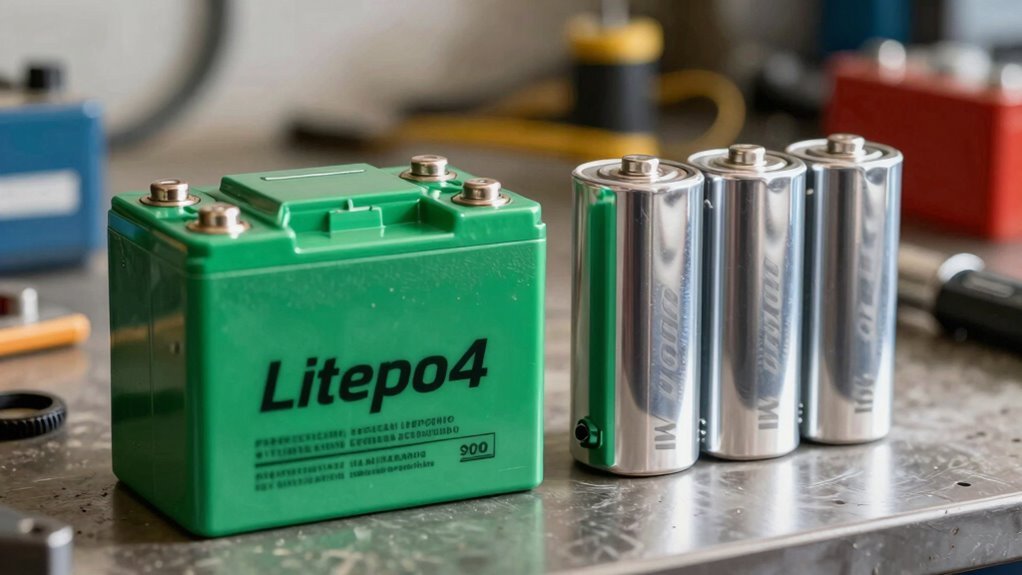
Choosing the right battery depends on the specific needs of your application. We consider factors like power requirements, weight, size, and longevity. If your project demands high energy density and compactness, lithium-ion batteries might be the best fit, especially for portable devices. They deliver quick charging and high performance but can be more sensitive to temperature and require careful handling. On the other hand, if safety, durability, and long cycle life are priorities, Lifepo4 batteries excel. They’re less prone to thermal runaway, making them ideal for stationary energy storage, electric vehicles, or off-grid systems. We evaluate how each type performs under your operating conditions, ensuring you select the most reliable, efficient, and cost-effective option for your specific application.
What Are LiFePO4 and Lithium-Ion Batteries?
LiFePO4 and lithium-ion batteries differ mainly in their chemistry and performance characteristics, which influence their ideal applications. We’ll explore how these differences affect their common uses and why one might be better suited for your needs. Understanding these basics helps you make informed choices for your specific battery requirements.
Battery Chemistry Differences
Understanding the fundamental differences between LiFePO4 and lithium-ion batteries requires a look into their chemical compositions. LiFePO4 batteries use lithium iron phosphate as the cathode, which provides a stable crystal structure and enhances safety. In contrast, lithium-ion batteries typically employ cobalt or other metal oxides, making them more energy-dense but less stable. The chemistry of LiFePO4 results in lower voltage per cell but offers excellent thermal stability and a longer lifespan. Lithium-ion batteries, on the other hand, deliver higher voltage and energy density, allowing for more compact designs. These chemical distinctions influence performance, safety, and durability, making each type suited for different applications. Understanding these differences helps us make informed choices based on our specific needs.
Common Usage Applications
Have you ever wondered where these batteries are commonly used? Lithium-ion batteries power most of our portable electronics, like smartphones, laptops, and tablets, thanks to their high energy density. They’re also essential in electric vehicles, providing long-lasting, lightweight energy sources for cars and bikes. Lithium iron phosphate (LiFePO4) batteries are popular in renewable energy storage systems, such as solar and wind setups, due to their stability and longevity. They’re used in electric buses, marine applications, and backup power supplies because they’re safer and have a longer cycle life. Both battery types are versatile, but their specific properties make them suited for different roles—Li-ion for compact, high-energy needs, and LiFePO4 for durable, safe, and stable power solutions.
How Do They Differ in Chemistry and Design?
While both LiFePO4 and lithium-ion batteries rely on lithium chemistry, their internal structures and chemical compositions set them apart considerably. LiFePO4 batteries use lithium iron phosphate as the cathode, offering a stable, crystal structure that enhances thermal stability. In contrast, typical lithium-ion batteries often use layered lithium cobalt oxide or similar compounds, which are more prone to thermal instability. Chemically, LiFePO4’s phosphate group provides a more robust and less reactive environment, leading to longer cycle life. Design-wise, LiFePO4 cells tend to be larger and heavier but feature a flatter voltage curve, making them easier to manage. Lithium-ion batteries, on the other hand, are more compact with higher energy density but require sophisticated management systems to guarantee safety and longevity.
Which Battery Is Safer for Your Use?
When it comes to safety, Lifepo4 batteries generally offer better thermal stability and are less prone to overheating. This reduces the risk of fire hazards compared to traditional lithium-ion batteries. Additionally, Lifepo4 batteries are safer to handle and store, giving you peace of mind during use and maintenance.
Thermal Stability Differences
Understanding the thermal stability of batteries is essential for safety, especially since overheating can lead to fires or explosions. Lithium iron phosphate (LiFePO4 or Lifepo4) batteries are known for their superior thermal stability compared to lithium-ion batteries. Lifepo4 cells resist temperature increases better and are less likely to experience thermal runaway, a dangerous chain reaction. This stability means they can endure higher temperatures without degrading or catching fire. Lithium-ion batteries, on the other hand, are more sensitive to heat and can become unstable if overheated, increasing the risk of thermal runaway. This difference makes Lifepo4 batteries generally safer in high-temperature environments or during abuse, offering a more reliable and safer choice for applications where thermal management is a concern.
Risk of Fire Hazards
The risk of fire hazards is a significant factor when choosing between Lithium Iron Phosphate (LiFePO4) and traditional lithium-ion batteries. LiFePO4 batteries are generally safer because their chemical structure is more stable at higher temperatures, reducing the likelihood of thermal runaway. Lithium-ion batteries, on the other hand, contain electrolytes that are more flammable, increasing the risk of fires if damaged or improperly handled. While both types can catch fire under extreme conditions, LiFePO4’s robust stability makes it less prone to ignition. This safety advantage makes LiFePO4 a better choice for applications where fire risk is a concern. However, safe handling and proper usage are essential regardless of the battery type to mitigate potential hazards.
Handling and Storage Safety
Handling and storing batteries safely is essential to prevent accidents and maximize their lifespan. Both Lifepo4 and lithium-ion batteries require proper care, but Lifepo4 batteries are generally safer due to their stable chemistry. They are less prone to thermal runaway, reducing the risk of fires or explosions if damaged or improperly stored. Lithium-ion batteries, on the other hand, demand stricter handling—avoid puncturing, crushing, or exposing them to extreme heat. Always store batteries in a cool, dry place and keep terminals covered to prevent short circuits. Use appropriate containers and avoid stacking batteries directly. Proper handling and storage practices not only enhance safety but also extend battery life, making Lifepo4 a safer choice for many applications.
How Long Do These Batteries Last?
When comparing Lifepo4 and lithium-ion batteries, their longevity depends largely on how they’re used and maintained. Lifepo4 batteries generally last longer, with about 2,000 to 3,000 charge cycles, translating to 8-10 years of regular use. Lithium-ion batteries typically offer 500 to 1,000 cycles, or around 3-5 years. Proper care, like avoiding deep discharges and high temperatures, can extend both batteries’ lifespans. Lifepo4 batteries are more tolerant to frequent charging and discharging, which helps them endure longer over time. Conversely, lithium-ion batteries tend to degrade faster if not properly maintained. Ultimately, lifespan varies based on usage patterns, but Lifepo4 batteries often provide a more durable, longer-lasting option for those seeking longevity.
What Is the Cost Compared to Performance?
While Lifepo4 batteries tend to last longer than lithium-ion options, their initial costs are generally higher. This means you’ll pay more upfront for Lifepo4, but its durability can lead to savings over time by reducing replacement and maintenance expenses. Lithium-ion batteries typically cost less initially, making them more attractive for short-term projects or budget-conscious buyers. However, their shorter lifespan can result in more frequent replacements, which adds up financially. When comparing cost versus performance, it’s essential to weigh how long you plan to use the batteries and the total cost of ownership. Lifepo4’s higher upfront price may be justified by its longevity and safety features, offering better value in the long run for those prioritizing durability and reliability.
How Do They Perform in Power and Temperature?
Lifepo4 batteries generally deliver more consistent power output and perform better at higher discharge rates compared to lithium-ion batteries. This stability means they can handle demanding applications without voltage drops or performance dips. They also excel in temperature performance, maintaining efficiency in both hot and cold environments. Lifepo4 batteries are less prone to overheating and thermal runaway, making them safer for high-power use. In contrast, lithium-ion batteries can struggle with power delivery under heavy loads and are more sensitive to temperature fluctuations. Here’s what sets them apart:
- Steady voltage during discharge
- Better high-current performance
- Resilience in extreme temperatures
- Reduced risk of overheating
- Consistent power output under load
Where Should You Use Each Battery Type?
Choosing the right battery for your application depends heavily on the specific performance demands and operating conditions. Lifepo4 batteries excel in applications requiring safety, longevity, and stable performance, like solar energy storage or electric vehicles. Lithium-ion batteries are better suited for portable electronics and high-drain devices due to their high energy density and fast charging capabilities.
| Use Case | Recommended Battery Type |
|---|---|
| Electric Vehicles | Lifepo4 |
| Portable Electronics | Lithium-ion |
| Renewable Energy Storage | Lifepo4 |
Lifepo4 offers durability and safety, making it ideal for stationary and heavy-duty use. Lithium-ion’s compactness and weight advantage suit mobile and lightweight applications.
How Do You Choose the Best Battery for Your Needs?
Selecting the right battery depends on understanding your specific needs and how you plan to use it. To choose the best option, consider factors like capacity, lifespan, safety, and cost. Ask yourself:
- What is the primary application—e.g., solar storage, EVs, or portable devices?
- How important is weight and size for your setup?
- Do you need a long-lasting, durable battery or a more affordable one?
- Are safety features a top priority?
- What’s your budget for initial investment and maintenance?
Frequently Asked Questions
Are Lifepo4 Batteries More Environmentally Friendly Than Lithium-Ion?
We believe Lifepo4 batteries are more environmentally friendly because they last longer, contain fewer toxic materials, and are safer to recycle, reducing overall environmental impact compared to traditional lithium-ion batteries.
How Do Charging Times Compare Between Lifepo4 and Lithium-Ion Batteries?
We find that Lifepo4 batteries generally charge faster than lithium-ion batteries, especially at higher current levels. This means shorter charging times for Lifepo4, making them more convenient for quick recharges and continuous use.
Can Lifepo4 Batteries Be Used in High-Drain Applications?
Yes, Lifepo4 batteries can be used in high-drain applications. We find they handle high current demands well, providing reliable performance and long cycle life, making them suitable for power tools, electric vehicles, and other high-power devices.
What Are the Recycling Options for Each Battery Type?
We can recycle both Lifepo4 and lithium-ion batteries through specialized programs and facilities. These options help recover valuable materials, reduce environmental impact, and guarantee safe disposal, making recycling a responsible choice for preserving our planet.
How Do Temperature Extremes Affect Battery Performance?
Extreme temperatures, like scorching sun or freezing cold, can turn batteries into sluggish performers or cause damage. We notice reduced capacity in heat and risk of internal harm in cold, so we always keep batteries within ideal temperature ranges.
Conclusion
We recognize choosing the right battery can feel overwhelming, but remember, safety and longevity matter most. Lifepo4 offers peace of mind with its stability and durability, making it ideal for long-term use. Don’t let initial costs discourage you—investing in the right battery now can save you worries and money down the line. We’re here to help you make the best choice, ensuring your applications run smoothly and safely for years to come.