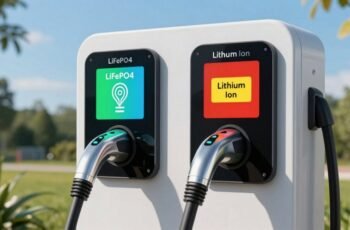
It’s interesting how a chance encounter with someone choosing a battery can lead us to think about the differences between Lifepo4 and Li-Ion options. We often find ourselves weighing safety, longevity, and size, but the decision isn’t always straightforward. Understanding the pros and cons of each type can greatly impact your choice. So, let’s explore what sets these batteries apart and why that matters for your specific needs.
Key Takeaways
- Lifepo4 offers superior safety, thermal stability, and longer cycle life compared to the higher energy density but more hazardous Li-Ion batteries.
- Li-Ion batteries are more compact and lightweight, making them ideal for portable electronics, whereas Lifepo4 is bulkier but more durable.
- Lifepo4 is environmentally friendlier with easier, safer recycling processes and fewer toxic metals than Li-Ion batteries.
- Li-Ion provides higher energy density, enabling smaller, lighter devices, while Lifepo4 excels in applications requiring safety and longevity.
- Initial costs favor Li-Ion due to widespread availability and lower prices, but Lifepo4 offers long-term savings through durability and safety.
Understanding Lifepo4 and Li-Ion Batteries: What You Need to Know
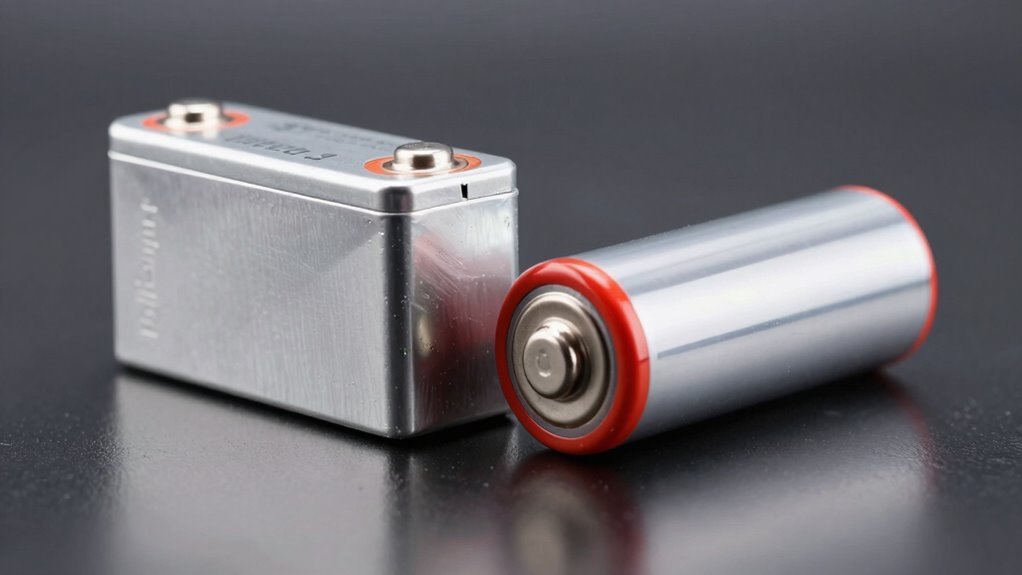
To understand the differences between Lifepo4 and Li-Ion batteries, it’s essential to know what distinguishes them in regards to chemistry and performance. Lifepo4 batteries use lithium iron phosphate as their cathode material, offering a stable and safe chemistry. In contrast, Li-Ion batteries typically rely on cobalt or other materials that provide higher energy density. Lifepo4 batteries tend to have a longer lifespan, better thermal stability, and are less prone to overheating or catching fire. They also maintain performance over many charge cycles. Li-Ion batteries generally provide more energy in a smaller, lighter package, making them ideal for portable devices. Understanding these core differences helps in choosing the right battery type for your specific needs and applications.
How Do Lifepo4 and Li-Ion Batteries Work? A Basic Explanation
Both Lifepo4 and Li-Ion batteries store and release electrical energy through chemical reactions within their cells, but they do so using different materials and processes. In Lifepo4 batteries, lithium ions move between the cathode made of iron phosphate and the anode during charging and discharging. This process is stable and produces less heat. Li-Ion batteries, on the other hand, typically use a graphite anode and a lithium metal oxide cathode. During operation, lithium ions shuttle between these electrodes. Both types rely on the movement of lithium ions to generate electrical energy, but Lifepo4’s chemistry offers enhanced safety and longevity, while Li-Ion batteries tend to have higher energy density. Understanding these mechanisms helps us appreciate their different performance characteristics.
What Are the Key Differences Between Lifepo4 and Li-Ion Batteries?
Lifepo4 and Li-Ion batteries differ markedly in several key aspects that impact their performance and suitability for various applications. Lifepo4 batteries offer higher thermal stability and are less prone to overheating, making them safer overall. They also have a longer cycle life, often lasting thousands of charge cycles, which reduces replacement costs. In contrast, Li-Ion batteries typically provide higher energy density, meaning they store more power in a smaller size, ideal for portable devices. Lifepo4 batteries charge faster and maintain a more consistent voltage throughout their discharge cycle. However, Li-Ion batteries tend to be lighter and more compact, making them preferable where weight and size are critical. These fundamental differences guide their best uses in different contexts.
Which Battery Is Better for Your Needs? Comparing Lifepo4 and Li-Ion
When choosing between Lifepo4 and Li-Ion batteries, we consider energy density and how much power each can store. Safety and durability are also key factors, as Lifepo4 batteries tend to be safer and last longer under tough conditions. Let’s explore which option aligns best with your specific needs.
Energy Density Differences
Understanding energy density is essential when choosing a battery, as it determines how much power can be stored in a given size or weight. Li-ion batteries generally have a higher energy density than Lifepo4 batteries, meaning they can store more energy in the same space. This makes Li-ion a better choice for applications where weight and size are critical, like smartphones or electric vehicles. Lifepo4 batteries, on the other hand, tend to have lower energy density but offer other advantages, such as longer lifespan and improved safety. If space and weight are your top priorities, Li-ion batteries may be better suited. However, if you’re looking for a durable, reliable power source with lower weight constraints, Lifepo4 could be the right choice.
Safety and Durability
Although both Lifepo4 and Li-ion batteries are widely used, they differ markedly in safety and durability. Lifepo4 batteries are known for their enhanced safety profile, thanks to their stable chemical composition, which reduces the risk of thermal runaway. They also tend to last longer, with more charge cycles before capacity diminishes. Conversely, Li-ion batteries, while offering higher energy density, are more prone to overheating and potential fires if damaged or improperly handled.
Here’s what sets them apart:
- Safety: Lifepo4 is inherently safer, less prone to overheating.
- Durability: Lifepo4 typically endures more charge cycles.
- Risks: Li-ion requires careful handling to avoid fire hazards.
Lifepo4 vs. Li-Ion: Pros and Cons for Different Applications
When choosing between Lifepo4 and Li-Ion batteries, it’s important to contemplate how each performs in different applications. Safety and reliability are key factors that vary depending on the use case, whether for electric vehicles, portable devices, or renewable energy storage. Understanding these differences helps us select the best battery for each specific need.
Application Suitability Differences
Choosing the right battery depends heavily on the specific application, as Lifepo4 and Li-ion batteries each excel in different areas. For instance, Lifepo4 batteries are ideal for applications needing high safety, long cycle life, and stable performance, such as solar energy storage or electric vehicles. Conversely, Li-ion batteries suit portable electronics and devices demanding lightweight design and high energy density.
Consider these application differences:
- Electric Vehicles: Lifepo4 offers safety and longevity, but Li-ion provides higher energy density.
- Renewable Energy Storage: Lifepo4’s stability and cycle life make it a preferred choice.
- Portable Devices: Li-ion’s lightweight and compact size make it more suitable.
Matching application needs with battery characteristics ensures maximum performance and longevity.
Performance and Safety Factors
Performance and safety are critical factors when comparing Lifepo4 and Li-ion batteries, as their design differences considerably influence how they perform in various applications. Lifepo4 batteries generally offer better thermal stability and lower risk of thermal runaway, making them safer for high-demand or portable uses. They have a longer cycle life, which means they maintain performance over more charge-discharge cycles. In contrast, Li-ion batteries usually provide higher energy density, delivering more power in a smaller package, but they can be more sensitive to overheating and voltage fluctuations. Safety concerns with Li-ion include potential fires if damaged or improperly managed. Overall, Lifepo4 excels in safety and longevity, while Li-ion shines in high energy density, but both require proper handling to guarantee maximum performance.
Choosing the Right Battery for Portable Electronics and Electric Vehicles
Selecting the right battery for portable electronics and electric vehicles requires careful consideration of several factors, including energy density, weight, safety, and lifespan. We need to evaluate which features matter most for our application. For instance:
- Energy Density: Higher energy density means longer usage between charges, vital for portable devices.
- Weight: Lighter batteries improve vehicle efficiency and portability.
- Safety and Lifespan: Batteries with better safety profiles and longer lifespans reduce risks and replacement costs.
Cost, Availability, and How They Impact Your Battery Choice
When comparing Lifepo4 and Li-ion batteries, cost and availability quickly become key factors influencing our decision. Lifepo4 batteries tend to be more expensive upfront but benefit from longer lifespan and lower maintenance costs, which can save us money over time. They’re also less common, so availability might be limited depending on where we’re shopping. On the other hand, Li-ion batteries are generally more affordable initially and widely available, thanks to their dominance in consumer electronics and EV markets. This makes them easier to source quickly. However, their shorter lifespan and potential safety concerns might lead to higher replacement costs down the line. Ultimately, our choice depends on balancing upfront costs, long-term savings, and how easily we can access these batteries in our area.
Environmental Impact and Recycling of Lifepo4 and Li-Ion Batteries
When it comes to environmental impact, recycling efficiency and challenges play a significant role in how sustainable these batteries are. We also need to take into account the toxicity and waste they generate if not properly managed. Let’s explore how Lifepo4 and Li-Ion batteries compare in these critical areas.
Recycling Efficiency and Challenges
Have you ever wondered how environmentally friendly these batteries truly are after they reach the end of their life? Recycling efficiency varies markedly between Lifepo4 and Li-ion batteries, posing distinct challenges.
- Lifepo4 batteries are easier to recycle because their chemistry is more stable, allowing for higher recovery rates of valuable materials like lithium, iron, and phosphate.
- Li-ion batteries face more complex recycling processes due to their diverse chemistries and hazardous components, which can lead to lower recovery rates and increased safety risks during recycling.
- Challenges include the high costs of recycling facilities, the need for specialized technology, and the lack of standardized procedures across regions. These factors hinder widespread, efficient recycling efforts for both types of batteries.
Environmental Toxicity and Waste
Although both Lifepo4 and Li-ion batteries are popular energy storage options, their environmental impacts differ considerably once they reach the end of their lifespan. Lifepo4 batteries are generally considered less toxic because they contain fewer harmful metals like cobalt or nickel, which pose environmental risks if improperly disposed of. In contrast, Li-ion batteries often contain toxic components that can leach into soil and waterways if not recycled properly. Recycling Lifepo4 batteries tends to be safer and less energy-intensive, reducing environmental harm. However, Li-ion batteries require complex recycling processes to recover valuable materials, yet improper disposal still risks environmental contamination. Overall, Lifepo4 batteries have a lower environmental toxicity profile, but both types demand responsible recycling practices to minimize waste and pollution.
Safety and Longevity: Which Battery Offers More?
Safety and longevity are critical factors when choosing between Lifepo4 and Li-ion batteries, as they directly impact reliability and lifespan. Lifepo4 batteries are known for their superior safety profile, thanks to their stable chemistry, which reduces the risk of thermal runaway. They also tend to last longer, often maintaining performance over 2,000 cycles. In contrast, Li-ion batteries can be more prone to overheating and capacity fade over time. To compare:
Lifepo4 batteries offer superior safety and longer cycle life compared to Li-ion options.
- Lifepo4 offers enhanced safety due to its thermal stability.
- It typically outlasts Li-ion in cycle life.
- Li-ion batteries are more susceptible to overheating and degradation.
Ultimately, Lifepo4 batteries generally provide better safety and longevity, making them a reliable choice for demanding applications.
Final Tips: How to Pick the Best Battery for Your Specific Needs
Choosing the right battery depends on understanding your specific needs and priorities. Consider factors like size, weight, cost, and lifespan to guide your choice. For example, if you need a lightweight, long-lasting option, Li-ion might suit you. If safety and durability are critical, Lifepo4 could be better. To help clarify, here’s a quick comparison:
| Feature | Best For |
|---|---|
| Cost | Budget-conscious users |
| Weight & Size | Portable devices, EVs |
| Lifespan | Long-term use |
| Safety | High-risk environments |
Assess what matters most for your application, then match it with these characteristics to make an informed decision.
Frequently Asked Questions
How Do Lifepo4 and Li-Ion Batteries Perform in Extreme Temperatures?
We find Lifepo4 batteries perform better in extreme cold, maintaining stability, while Li-ion batteries tend to struggle, losing capacity and efficiency. In high temperatures, Lifepo4 also handles heat better, offering increased safety and longevity compared to Li-ion options.
What Are the Maintenance Requirements for Each Battery Type?
Think of batteries as delicate plants needing care; we keep Lifepo4 batteries balanced and cool, while Li-ion ones prefer gentle cycling and avoiding overcharge. Regular checks and proper storage help both thrive and last longer.
How Do Charging Times Compare Between Lifepo4 and Li-Ion Batteries?
We find that Lifepo4 batteries generally charge faster than Li-ion batteries, especially at higher currents, making them more convenient for quick turnaround times. However, actual charging speed depends on charger compatibility and battery capacity.
Are There Any Notable Differences in Weight and Size?
We find Lifepo4 batteries tend to be slightly heavier and bulkier than Li-ion ones, but both are generally compact and lightweight. We recommend considering your specific space and weight needs when choosing the right battery type.
How Do Lifepo4 and Li-Ion Batteries Handle Repeated Charge Cycles?
We find that Lifepo4 batteries excel in handling repeated charge cycles with minimal capacity loss, offering longer lifespan. Li-ion batteries, while capable, tend to degrade faster over numerous cycles, making Lifepo4 a more durable choice for repeated use.
Conclusion
In conclusion, choosing between Lifepo4 and Li-Ion batteries depends on what matters most to you—safety and longevity or size and energy density. Did you know that Lifepo4 batteries can last up to 10 times longer than traditional Li-Ion ones? We hope this guide helps you make an informed decision that suits your needs, whether for renewable energy, electric vehicles, or portable devices. Ultimately, understanding these differences guarantees you pick the best battery for your application.