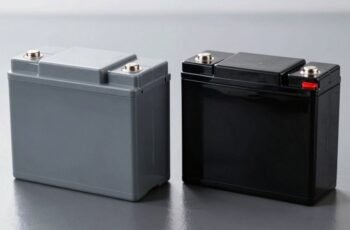
Did you know that LiFePO4 batteries can often be recharged in less than half the time of traditional lead acid batteries? While most people know lead acids take many hours to top off, few realize how much faster LiFePO4 can be replenished with the right setup. This difference could profoundly impact your operational efficiency, but understanding what influences these times is key — and that’s where the details get interesting.
Key Takeaways
- LiFePO4 batteries recharge faster, typically within 2 to 6 hours, due to higher acceptable charging currents.
- Lead acid batteries generally take 8 to 16 hours to fully recharge, requiring staged charging procedures.
- Properly matched chargers and optimal temperature conditions significantly influence recharge durations for both types.
- LiFePO4’s lower internal resistance allows for quicker, more efficient recharging compared to lead acid.
- Environmental factors like cold temperatures slow recharge times for both battery chemistries.
Which Battery Recharges Faster: LiFePO4 or Lead Acid?
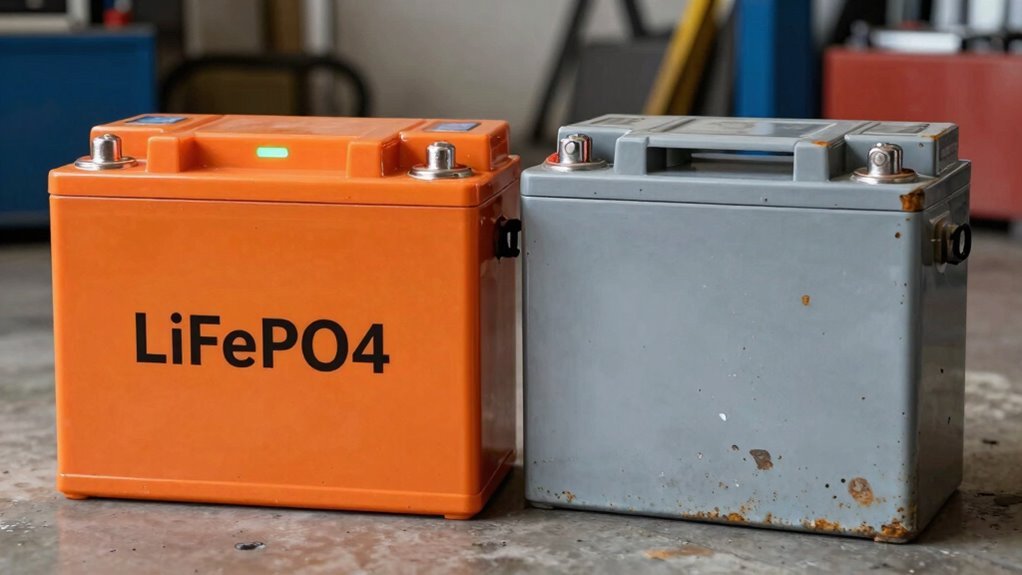
When comparing how quickly LiFePO4 and lead acid batteries recharge, LiFePO4 batteries generally have the edge. They can accept higher charging currents, which means they recharge faster without risking damage. Lead acid batteries, on the other hand, require more cautious charging to prevent sulfation and damage, often resulting in longer recharge times. Lithium iron phosphate batteries also maintain a more consistent voltage during the charging process, allowing for more efficient recharging. Additionally, their advanced chemistry enables them to handle rapid charging cycles better than lead acid batteries. Overall, if speed is a priority, LiFePO4 batteries typically outpace lead acid options, making them a more practical choice for those needing quicker turnaround times between uses.
Why Recharge Speed Matters When Choosing a Battery
The speed at which a battery recharges can considerably impact how we plan and use our energy systems. Faster recharge times mean less downtime and more efficiency in our daily routines. When choosing a battery, consider these key factors:
Faster recharge times boost efficiency, reduce downtime, and enhance energy system flexibility.
- Reduced Downtime: Quicker recharging allows us to get back to use sooner, especially in critical applications.
- Increased Flexibility: We can adapt to unpredictable energy demands more easily with faster recharge capabilities.
- Cost Savings: Shorter charging cycles lower energy costs and extend battery lifespan.
- Operational Efficiency: For businesses or off-grid setups, rapid recharging maximizes productivity and reduces interruptions.
Understanding recharge speed helps us select batteries that fit our needs, ensuring reliable and efficient energy management.
Understanding How LiFePO4 and Lead Acid Batteries Charge
Understanding how LiFePO4 and lead acid batteries charge reveals key differences in their charging behaviors and requirements. LiFePO4 batteries accept a high current during the bulk charging phase, allowing for rapid charging without damaging the cells. They also have a precise voltage cutoff, typically around 3.65V per cell, which helps prevent overcharging. Lead acid batteries, however, require a more gradual charge, with multiple stages like bulk, absorption, and float. They are sensitive to overcharging, which can cause heat buildup and damage. Additionally, lead acid batteries need a longer rest period to equalize and balance, especially after deep discharge. Recognizing these fundamental differences helps us understand their distinct charging profiles and sets the stage for comparing recharge times.
What Affects How Quickly Batteries Recharge?
The speed at which batteries recharge depends on several key factors, including their chemistry, charging rate settings, and current charge level. Different chemistries, like LiFePO4 and lead acid, respond uniquely to charging methods, affecting how fast they can be replenished. Additionally, adjusting charging rates and considering how much charge remains can considerably influence recharge times.
Battery Chemistry Differences
Battery chemistry plays a crucial role in how quickly a battery can recharge because different chemistries have distinct internal processes that affect charging efficiency. For example:
- Lithium Iron Phosphate (LiFePO4) batteries have stable chemistry, allowing faster charging without overheating.
- Lead Acid batteries rely on slower chemical reactions, which limit their recharge speed.
- Internal resistance varies; LiFePO4 typically has lower resistance, enabling quicker current flow.
- Voltage behavior differs; LiFePO4 maintains a steady voltage, supporting faster, more efficient charging.
These chemistry differences influence how quickly each battery type can accept a charge, with lithium-based options generally charging faster due to their more efficient internal reactions.
Charging Rate Settings
Charging rate settings directly influence how quickly a battery can recharge, as they determine the amount of current supplied during the process. Higher charging rates can shorten recharge times but may stress the battery if set too high, risking damage or reduced lifespan. Conversely, lower rates prolong charging but are gentler on the battery’s chemistry, promoting longer life. Lifepo4 batteries typically tolerate higher charge currents safely, enabling faster recharging if the charger is set correctly. Lead acid batteries, however, require more careful regulation to avoid overheating or gassing. The charger’s design and the battery manufacturer’s recommendations play essential roles in setting ideal charging rates. Understanding these factors helps us balance quick recharging with battery health, ensuring efficient and safe operation.
State of Charge Level
How much charge a battery has left markedly impacts how quickly it can be recharged. When a battery is nearly empty, it tends to accept current faster, leading to quicker charging. Conversely, a nearly full battery slows the process to prevent overcharging. Several factors influence this:
- State of Charge (SOC): Lower SOC means faster charging, higher SOC slows it down.
- Battery Chemistry: Different chemistries respond differently to charge levels.
- Temperature: Colder batteries recharge more slowly, especially when near full capacity.
- Charging Stage: Initial stages are faster, but as the battery approaches full, charging slows considerably.
Understanding these factors helps us optimize charging times and prolong battery life.
How Long Does It Take to Fully Recharge LiFePO4 Batteries?
Understanding how long it takes to fully recharge LiFePO4 batteries depends on several factors, including the battery’s capacity, the charger’s current output, and the state of charge at the start. Typically, a LiFePO4 battery can be recharged in 2 to 6 hours with a proper charger that matches its specifications. If the battery is nearly empty, charging may take closer to 2 hours, especially with a high-current charger. Conversely, if the battery is partially charged, it could take longer. High-quality chargers with higher amps will speed up the process, but it’s crucial to avoid overcharging. Overall, LiFePO4 batteries are known for their fast recharge times compared to other battery types, making them ideal for quick turnaround applications.
How Long for a Full Recharge of Lead Acid Batteries?
Lead acid batteries typically take around 8 to 16 hours to fully recharge, depending on their capacity and charger power. Several factors, such as battery age, temperature, and charging rate, can influence this duration. Understanding these points helps us better plan for efficient charging times.
Typical Charging Duration
Charging lead acid batteries typically takes between 8 to 16 hours, depending on their capacity and the charging method used. The duration varies based on several factors:
- Battery capacity: Larger batteries require more time to fully recharge.
- Charging current: Higher currents shorten charging time but risk damaging the battery if not managed properly.
- State of charge: Batteries that are more discharged take longer to recharge.
- charger type: Using a smart charger can optimize and speed up the process.
While some chargers may finish faster, it is crucial to avoid overcharging, which can reduce battery life. Properly managed, lead acid batteries usually need around half a day to reach full capacity.
Factors Influencing Recharge Time
Several factors directly influence how long it takes to fully recharge a lead acid battery, and recognizing these can help us optimize the process. First, the battery’s capacity and state of charge impact recharge time; larger or more depleted batteries require more time. The charger’s current output also plays a vital role—higher current chargers reduce recharge duration, but must be used carefully to avoid damage. Temperature affects chemical reactions inside the battery; colder conditions slow recharging, while ideal temperatures speed it up. Additionally, the charging method—bulk, absorption, or float—determines how quickly the battery reaches full capacity. Finally, age and condition matter: older or damaged batteries tend to charge more slowly and less efficiently. Understanding these factors helps us manage charging times effectively.
Do LiFePO4 or Lead Acid Batteries Recharge Faster in Real-World Use?
When comparing recharge speeds in real-world scenarios, LiFePO4 batteries generally regain their full capacity faster than traditional lead acid batteries. This is mainly because LiFePO4 cells can accept higher charging currents without damage, enabling quicker recharges. Additionally, they have a lower internal resistance, which helps them recharge more efficiently. Here are four key reasons:
- Higher charge acceptance: LiFePO4 batteries can handle faster charging rates safely.
- Less voltage drop: They maintain stable voltage during recharge, speeding up the process.
- Reduced heat generation: They produce less heat, allowing for quicker, cooler charging cycles.
- Efficient chemistry: Their chemistry allows for rapid recharging without compromising lifespan.
Tips to Speed Up Your Battery’s Recharge Time
Ever wondered how to get your batteries back to full power faster? We’ve got some tips to help you speed up the charging process. First, always use a charger compatible with your battery type, as mismatched chargers slow down charging. Keep your batteries at recommended temperatures—charging in too cold or hot environments reduces efficiency. If possible, avoid deep discharges; partial discharges allow for quicker recharges. For lithium iron phosphate (LiFePO4) batteries, using a smart charger with balancing features can improve recharge times. Additionally, don’t overcharge—monitor voltage levels to prevent damage and optimize speed. Regular maintenance, like keeping terminals clean and ensuring proper connections, also helps. Following these simple tips can notably reduce your batteries’ downtime and keep them ready when you need them.
Frequently Asked Questions
Can Charging Times Vary Between Different Brands of Lifepo4 Batteries?
Yes, charging times can vary between different brands of Lifepo4 batteries because of differences in design, capacity, and built-in BMS. We recommend checking each manufacturer’s specifications for the most accurate charging time estimates.
How Does Ambient Temperature Affect Recharge Times for Each Battery Type?
Ambient temperature acts like a fickle wind, speeding up or slowing down recharge times. Both Lifepo4 and lead acid batteries perform best at moderate temperatures, but extremes can extend charging periods and reduce battery lifespan.
Do Fast-Charging Options Impact Battery Lifespan for Lifepo4 and Lead Acid?
Fast-charging can shorten lifespan for both Lifepo4 and lead acid batteries, but Lifepo4 batteries handle rapid charging better without significant damage, whereas lead acid batteries may experience more wear and decreased longevity with frequent fast-charging.
Are There Specific Chargers Optimized for Quicker Recharge of Either Battery?
Yes, there are chargers designed specifically for faster charging of both Lifepo4 and lead acid batteries. We recommend using manufacturer-approved, high-quality chargers for each type to guarantee safety, optimize performance, and extend battery lifespan during rapid recharging.
How Does Partial Recharging Influence Overall Recharge Duration?
Partial recharging generally shortens the overall recharge time because we’re only topping off the battery rather than fully recharging it. This can be more efficient, especially when frequent top-ups are needed, saving us both time and energy.
Conclusion
In our experience, LiFePO4 batteries recharge in just 2 to 6 hours, compared to 8 to 16 hours for lead acid ones—meaning less downtime and more productivity. Did you know that LiFePO4 can accept charging currents up to 3C, enabling rapid recharging? This speed not only boosts efficiency but also extends your battery’s lifespan. Choosing LiFePO4 means faster, smarter energy management, keeping you powered up when it matters most.