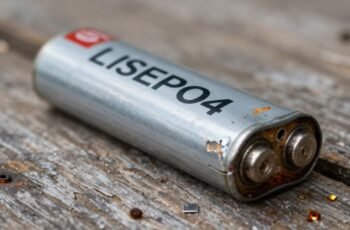
If we consider the intricate balance required for ideal LiFePO4 battery performance, it becomes clear that even minor issues can cascade into significant problems. These batteries are generally reliable, yet they are susceptible to capacity loss, thermal challenges, and safety risks stemming from improper use and maintenance. Understanding the root causes behind these challenges is essential for maximizing lifespan and safety. Let’s explore the key factors that can compromise LiFePO4 batteries and how to address them effectively.
Key Takeaways
- Battery degradation caused by manufacturing defects, repeated cycling, and environmental factors reduces capacity and performance over time.
- Thermal management issues, such as inadequate heat dissipation, can lead to overheating and increase fire or safety risks.
- Improper charging, deep discharges, or incompatible chargers accelerate capacity loss and shorten battery lifespan.
- Voltage irregularities and increased internal resistance indicate aging, internal damage, or cell imbalance.
- Recycling challenges and disposal difficulties reflect advanced failure stages and environmental concerns.
What Causes Capacity Loss in LiFePO4 Batteries?
What factors primarily contribute to capacity loss in LiFePO4 batteries? Manufacturing defects play a significant role, as inconsistencies during production can create uneven electrode materials, leading to premature capacity decline. Over time, repeated charge-discharge cycles cause active material degradation, reducing overall energy storage capability. Additionally, improper battery recycling processes may introduce contaminants or residual materials that impair cell performance. These issues can accelerate capacity fade beyond normal aging. Unlike some chemistries, LiFePO4 batteries are generally resilient, but manufacturing flaws and inefficient recycling can introduce structural weaknesses that diminish capacity. Understanding these factors highlights the importance of quality control during manufacturing and responsible recycling practices to preserve battery longevity and performance.
How Can Thermal Management Affect Battery Performance?
Effective thermal management is vital because temperature fluctuations directly influence LiFePO4 battery efficiency and lifespan. Managing heat dissipation presents challenges that, if unaddressed, can lead to uneven temperature distribution and performance degradation. Additionally, inadequate thermal control increases the risk of thermal runaway, posing safety concerns and potential battery failure.
Temperature Impact on Efficiency
Temperature greatly influences the performance and longevity of LiFePO4 batteries, making thermal management a critical aspect of their operation. Elevated ambient temperatures can accelerate degradation by increasing internal resistance and stressing electrode materials, while low temperatures reduce ion mobility, impairing charge acceptance and discharge capacity. Effective thermal insulation helps maintain a stable internal environment, shielding the battery from ambient temperature fluctuations. Proper thermal management guarantees ideal operating temperatures, minimizing thermal stress and preserving capacity over time. Assuring temperature stability is crucial for efficiency; fluctuations can cause inconsistent performance and reduce overall lifespan. By controlling ambient temperature and employing thermal insulation, we can maximize battery efficiency, prevent thermal runaway, and extend service life, ultimately enhancing the reliability of LiFePO4-based systems.
Heat Dissipation Challenges
Thermal management plays an essential role in maintaining ideal performance of LiFePO4 batteries, as inadequate heat dissipation can lead to elevated internal temperatures that impair functionality. Effective cooling systems are critical to prevent overheating, which can cause capacity loss and reduce cycle life. Incorporating heat sensors allows real-time monitoring of internal temperatures, enabling responsive adjustments to cooling strategies. Poor heat dissipation results in increased internal resistance and uneven temperature distribution, risking localized thermal stress. To maximize performance, advanced cooling systems—such as liquid cooling or phase change materials—are increasingly employed. Precise temperature data from heat sensors help guarantee excellent thermal conditions, mitigating risks associated with thermal buildup. Proper thermal management is therefore essential for prolonging battery lifespan and maintaining consistent power output.
Thermal Runaway Risks
Proper thermal management is essential because poor control of heat within LiFePO4 batteries can trigger thermal runaway, a dangerous chain reaction resulting in rapid temperature escalation and potential fires. Inadequate heat dissipation compromises battery performance and safety, increasing the risk of catastrophic failure. Managing thermal conditions effectively not only enhances operational stability but also supports manufacturing safety by preventing conditions that could lead to thermal runaway. Additionally, consistent temperature regulation facilitates safer battery recycling processes, reducing hazards associated with high temperatures and thermal spikes. Effective thermal management strategies are critical for minimizing risks during manufacturing and ensuring the longevity and safety of LiFePO4 batteries throughout their lifecycle. Addressing these risks is imperative for advancing safe, sustainable battery technologies.
Are My Devices Compatible With Lifepo4 Batteries?
Ensuring device compatibility with Lifepo4 batteries requires careful assessment of voltage ratings, connector types, and safety standards. We need to verify that the device’s voltage range aligns with the battery’s output and that connectors match to prevent wiring issues. Addressing these technical considerations is essential to maintain safe and reliable operation.
Device Voltage Compatibility
Are your devices compatible with LiFePO4 batteries? Voltage compatibility is essential because LiFePO4 cells operate at a nominal voltage of about 3.2-3.3V per cell, differing from traditional lead-acid or lithium-ion batteries. Most devices designed for standard lithium-ion batteries may need adjustments or voltage regulators to prevent damage. Understanding the manufacturing processes helps determine how consistently these batteries deliver stable voltage, which is critical for sensitive electronics. Additionally, considering battery recycling impacts long-term device compatibility, as recycled LiFePO4 cells can vary slightly in voltage output due to manufacturing tolerances. Ensuring proper voltage alignment minimizes risks of overvoltage or undervoltage, preserving device integrity and optimizing lifespan. Proper evaluation of voltage compatibility is essential for safe, efficient integration into existing systems.
Connector Compatibility and Safety
When integrating LiFePO4 batteries into existing devices, verifying connector compatibility becomes a key concern. Connector issues can lead to improper connections, risking damage or safety hazards. Making sure the connectors match in size, pin configuration, and current rating is vital for safety protocols. Mismatched connectors may cause short circuits or overheating, compromising device integrity. To understand compatibility, consider the following:
| Compatibility Aspect | Significance |
|---|---|
| Connector Type | Ensures physical and electrical fit |
| Current Rating | Prevents overheating and damage |
| Pin Configuration | Guarantees correct polarity and operation |
Addressing connector issues proactively helps maintain safety and device longevity. Proper matching minimizes risks associated with incompatible connectors, guaranteeing safe operation of LiFePO4 batteries.
How Do I Know When My LiFePO4 Battery Is Failing?
Identifying the signs of a failing LiFePO4 battery requires careful monitoring of its performance metrics. A decline in capacity, noticeable through reduced runtime, indicates internal degradation often linked to manufacturing quality inconsistencies. Voltage irregularities or sudden drops during discharge may signal cell imbalance or deterioration. Elevated internal resistance, measured via testing tools, can also point to aging or damage. Additionally, if the battery exhibits excessive heat during operation, it could be a sign of internal stress or faults. Over time, failing batteries may become harder to recycle efficiently, emphasizing the importance of proper disposal. Regular performance tracking helps determine when replacement is necessary, ensuring safety and longevity, while supporting sustainable practices like battery recycling to minimize environmental impact.
How Can I Troubleshoot Shortened Battery Lifespan?
To effectively troubleshoot a shortened lifespan in LiFePO4 batteries, we need to systematically analyze usage patterns, charging habits, and environmental factors that impact performance. Excessive deep discharges, improper charging voltages, or frequent high-current loads accelerate capacity loss. Additionally, inadequate storage best practices—such as storing batteries at full charge or extreme temperatures—can degrade cells over time. Regularly inspecting for signs of deterioration and avoiding unnecessary battery recycling helps prolong lifespan. Environmental factors like temperature fluctuations and humidity also accelerate aging. By closely monitoring these variables, we can identify stressors that cause premature failure. Implementing proper storage practices and maintaining ideal operating conditions are vital for extending battery life, ensuring performance consistency, and reducing the need for early replacements.
What Safety Risks Do LiFePO4 Batteries Have, and How Can I Prevent Them?
LiFePO4 batteries are generally considered safer than other lithium-ion chemistries due to their stable chemical structure, but they still pose certain safety risks if mishandled. Thermal runaway, though less common, can occur under severe conditions, risking fire or explosion. Proper manufacturing safety protocols are essential to prevent defects, such as internal short circuits caused by manufacturing flaws. Additionally, improper disposal or battery recycling can release hazardous materials, emphasizing the importance of responsible recycling procedures. Overcharging or physical damage can compromise the battery’s integrity, increasing safety hazards. To mitigate these risks, users should follow manufacturer guidelines, implement protective circuitry, and guarantee batteries are handled and disposed of correctly, maintaining safety throughout the battery lifecycle.
How Do Improper Charging and Discharging Hurt Your Battery?
Improper charging and discharging can considerably degrade the performance and lifespan of your LiFePO4 battery. Overcharging or using an incompatible charger can cause voltage stress, leading to capacity loss and increased cell degradation. Conversely, deep discharging below recommended levels strains the cells, accelerating capacity fade and causing irreversible damage. Consistent improper use hampers efficient battery recycling, as damaged cells may release harmful substances or become unrecoverable. Ensuring charger compatibility is vital; a charger designed specifically for LiFePO4 chemistry maintains proper voltage and current, safeguarding the cells. Additionally, abrupt discharges or overcurrent conditions generate heat, further accelerating degradation. Proper management of charging and discharging cycles preserves battery health, maintains capacity, and supports sustainable battery recycling practices.
Tips to Maintain and Extend Your LiFePO4 Battery’s Life
Maintaining ideal charging and discharging practices is vital for extending your LiFePO4 battery’s lifespan. Proper management minimizes capacity fade and mitigates environmental impact by reducing premature disposal. To optimize longevity, adhere to recommended voltage ranges and avoid deep discharges. Incorporate regular maintenance routines, such as balancing cells, to prevent uneven wear. Responsible battery recycling is essential once the battery reaches end-of-life, reducing environmental harm. The table below summarizes key tips:
| Practice | Rationale |
|---|---|
| Keep within recommended voltage | Prevents over-stress and capacity loss |
| Avoid deep discharges | Preserves cell integrity and prolongs lifespan |
| Use proper chargers | Ensures safe, efficient charging |
| Regular capacity checks | Detects early signs of degradation |
| Responsible recycling | Minimizes environmental impact |
Implementing these strategies supports sustainable battery use and environmental responsibility.
Conclusion
Just as a seasoned sailor knows the importance of understanding their vessel’s nuances, we recognize that maintaining LiFePO4 batteries demands vigilance and precision. By mastering thermal management, proper charging, and timely troubleshooting, we safeguard against degradation and safety risks. Staying informed allows us to navigate the complex landscape of battery health, ensuring longevity and reliability. In this ongoing voyage, knowledge is our compass, guiding us toward peak performance and safety at every turn.