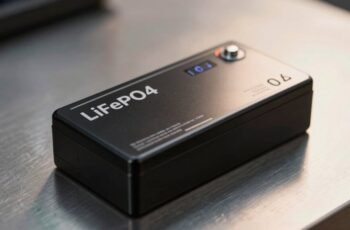
As we rely more on Lifepo4 batteries for our energy needs, understanding how they naturally degrade over time becomes essential. While these batteries are known for their durability, they still face chemical and physical changes that diminish their capacity and efficiency. Knowing what accelerates this aging process and how to identify early signs can help us extend their lifespan. If you’re interested in maintaining peak performance, there’s more to think about regarding proper care and troubleshooting.
Key Takeaways
- Lifepo4 batteries gradually lose capacity due to chemical and physical changes during cycling.
- High temperatures accelerate degradation by speeding up chemical reactions.
- Overcharging, deep discharging, and rapid charging increase wear and reduce lifespan.
- Signs of degradation include reduced runtime, longer charging, and physical swelling.
- Proper maintenance, cool storage, and avoiding deep discharges extend battery longevity.
How Do Lifepo4 Batteries Naturally Degrade Over Time?
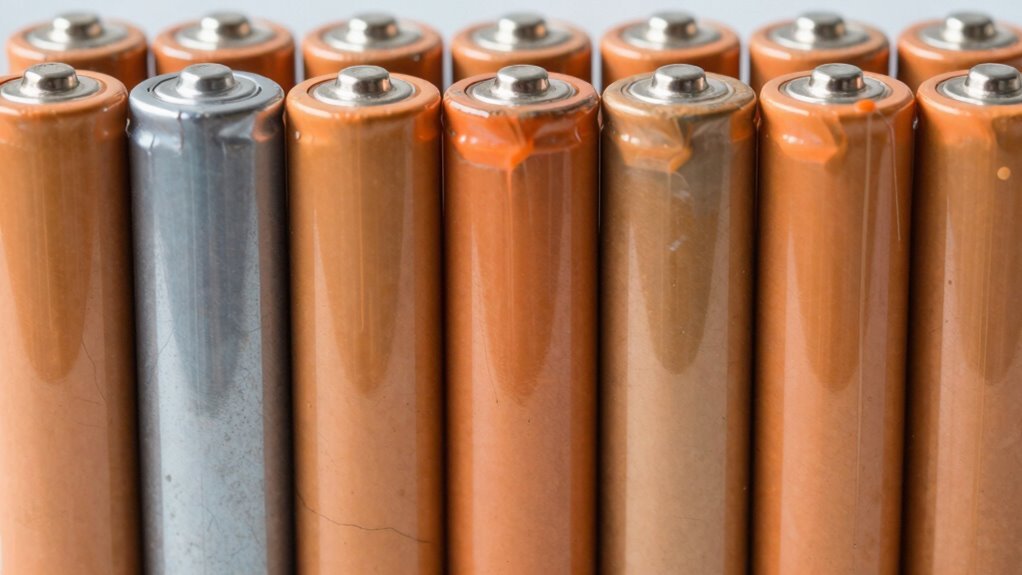
Lifepo4 batteries naturally degrade over time due to chemical and physical changes that occur during use. As these batteries cycle through charge and discharge, their internal chemistry gradually alters. The lithium iron phosphate material slowly loses its ability to hold a full charge, leading to reduced capacity. Additionally, repeated use causes the formation of tiny internal structures, like solid electrolyte interphase layers, which hinder ion flow. Physical factors, such as electrode material wear and tear, also play a role. Over time, this combination of chemical and physical shifts diminishes the battery’s performance, even if it’s not being used heavily. This natural aging process is inevitable, but understanding how it happens helps us better grasp how Lifepo4 batteries decline with age.
What Causes Lifepo4 Batteries to Age Faster?
While natural aging occurs gradually over time, certain conditions and usage patterns can accelerate the degradation process. High temperatures, for example, speed up chemical reactions inside the battery, causing faster wear. Overcharging or deep discharging can also strain the battery’s chemistry, leading to quicker capacity loss. Additionally, frequent rapid charging generates heat and stress that wear down the electrodes more quickly. Poor maintenance, such as leaving the battery in a discharged state or exposing it to moisture, can further hasten aging.
High temperatures, overcharging, rapid charging, and poor maintenance accelerate battery aging and capacity loss.
- Excessive heat exposure
- Overcharging or deep discharging
- Frequent rapid charging
How Can You Tell If Your Lifepo4 Battery Is Degrading?
As batteries age, their performance begins to decline, making it important to recognize the signs early. You might notice shorter runtimes or inconsistent power output, which indicates capacity loss. Reduced charge efficiency is another sign—your battery might not reach full capacity or takes longer to charge. If you observe increased heat during use or charging, that’s a red flag. Additionally, voltage drops more quickly under load, signaling degradation. A noticeable swelling or physical damage can also point to internal issues. Monitoring these signs helps you determine if your Lifepo4 battery is deteriorating. Regularly checking performance and being attentive to changes guarantee you can address problems before they worsen, prolonging your battery’s lifespan and maintaining reliable operation.
How to Extend the Life of Your Lifepo4 Battery
To get the most out of your Lifepo4 battery and keep it performing at its best, proactive care and proper usage are key. We can extend its lifespan by following simple habits that reduce wear and tear. First, avoid deep discharges; keep the battery above 20% charge whenever possible. Second, store the battery in a cool, dry place, as high temperatures accelerate degradation. Third, use a quality charger designed for Lifepo4 batteries to prevent overcharging or undercharging. Additionally, regularly monitor voltage levels and avoid frequent rapid charging. By implementing these practices, we can maximize the lifespan and reliability of our Lifepo4 batteries, ensuring they serve us well for years to come.
How to Properly Maintain and Monitor Your Lifepo4 Battery
Proper maintenance and monitoring are vital to keep your Lifepo4 battery operating efficiently and extending its lifespan. We recommend regularly checking the battery’s voltage and state of charge with a reliable multimeter or battery monitor. Keep the battery within the recommended voltage range, avoiding over-discharge or overcharge, which can cause damage. Make certain the battery terminals are clean and tight to prevent poor connections. Store the battery in a cool, dry place and avoid exposing it to extreme temperatures. Periodically inspect for any signs of corrosion or damage. Using a proper charger designed for Lifepo4 batteries is essential for safe and effective charging. Consistent monitoring and proper handling help maximize performance and prevent premature degradation.
Frequently Asked Questions
Can Temperature Fluctuations Cause Unexpected Lifepo4 Battery Failures?
Yes, temperature fluctuations can cause unexpected Lifepo4 battery failures. We’ve seen that extreme hot or cold conditions stress the battery, leading to capacity loss, internal damage, or safety issues, so maintaining stable temperatures is essential for longevity.
How Does Cycling Depth Impact Lifepo4 Battery Longevity?
We find that deeper cycling reduces Lifepo4 battery longevity, as it accelerates capacity loss and wear. Shallow cycles help extend lifespan, so we recommend limiting depth of discharge for longer, reliable performance over time.
Are There Specific Brands More Resistant to Degradation?
We believe some brands, like A123 and CALB, are more resistant to degradation due to their high-quality materials and manufacturing standards. However, proper care and usage are essential regardless of brand to maximize battery lifespan and performance.
What Are Early Signs of Irreversible Battery Damage?
Early signs of irreversible damage are like cracks in a ship’s hull—noticeable drops in capacity, rapid voltage drops, increased heat, or persistent errors. We suggest monitoring these signs closely to prevent further damage and preserve your battery’s lifespan.
How Does Storage Duration Affect Battery Health Over Time?
Storage duration impacts battery health because prolonged periods without use can cause capacity loss and internal degradation. We recommend storing batteries at partial charge and in cool, dry places to preserve their lifespan and maintain ideal performance over time.
Conclusion
Just like a garden needs careful tending to flourish, our Lifepo4 batteries thrive with proper care. By understanding their natural aging process and avoiding harsh conditions, we can extend their lifespan, keeping them vibrant and reliable. Think of it as nurturing a delicate bloom—gentle attention and smart habits help it endure the seasons. With mindful maintenance, we guarantee our batteries remain steadfast companions on our journey, weathering time’s march with resilience and grace.