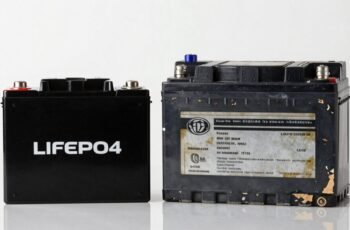
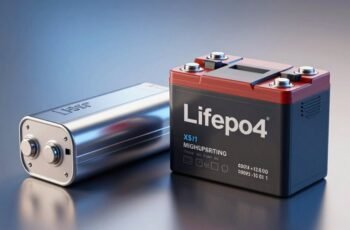
When comparing Lifepo4 and lithium-ion batteries, we find that each offers distinct advantages and challenges. While lithium-ion batteries are known for their high energy density and quick charging, Lifepo4 batteries excel in safety, longevity, and stability under demanding conditions. Understanding these differences can be vital for choosing the right power source for your needs, but there’s more to weigh—especially when it comes to performance in extreme environments and overall value.
Key Takeaways
- LiFePO4 offers better thermal stability and safety compared to lithium-ion batteries.
- Lithium-ion provides higher energy density but is more prone to overheating and thermal runaway.
- LiFePO4 maintains consistent performance in extreme temperatures, unlike lithium-ion batteries.
- Lithium-ion batteries typically have a shorter lifespan and fewer charge cycles than LiFePO4.
- Overall, LiFePO4 is more durable and cost-effective for long-term energy storage solutions.
What Are the Main Differences Between LiFePO4 and Lithium-Ion Batteries?
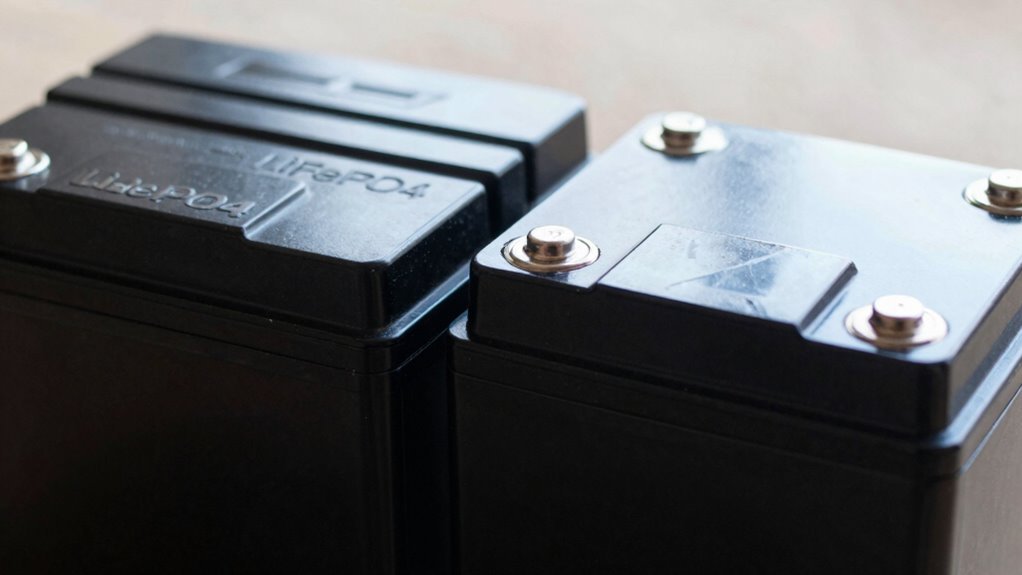
While both LiFePO4 and traditional lithium-ion batteries are popular energy storage options, they differ markedly in their chemistry and performance. LiFePO4 batteries use lithium iron phosphate as the cathode, making them more stable and safer under high temperatures. Lithium-ion batteries typically rely on cobalt or nickel-based cathodes, which offer higher energy density but are more prone to overheating and thermal runaway. This difference impacts their lifespan, safety, and charging capabilities. LiFePO4 batteries tend to have a longer cycle life and better thermal stability, while lithium-ion batteries provide more compact energy storage for portable devices. Understanding these fundamental chemistry distinctions helps us choose the right battery type based on safety, longevity, and application needs.
How Long Do LiFePO4 and Lithium-Ion Batteries Last?
The lifespan of LiFePO4 and lithium-ion batteries varies considerably due to their differing chemistries. Generally, LiFePO4 batteries outlast lithium-ion ones, offering more years of reliable use. Here’s what you can expect:
- LiFePO4 batteries typically last 8-10 years or around 2,000-3,000 cycles.
- Lithium-ion batteries usually endure 3-5 years or about 500-1,000 cycles.
- With proper care, LiFePO4 can provide up to twice the lifespan of lithium-ion options.
- The longevity of either battery depends heavily on usage, charging habits, and operating conditions.
Choosing the right battery means considering not just performance but how long it will serve you before replacement becomes necessary.
Are LiFePO4 Batteries Safer Than Lithium-Ion?
We believe LiFePO4 batteries are generally safer than traditional lithium-ion options because of their superior thermal stability. This stability reduces the risk of overheating and fires, even under tough conditions. Let’s explore how these safety features impact their overall reliability.
Thermal Stability Advantages
LiFePO4 batteries excel in thermal stability, making them inherently safer than traditional lithium-ion batteries. This stability means they resist overheating and thermal runaway, reducing safety concerns during use. Consider these advantages:
- Lower risk of fires or explosions, providing peace of mind.
- Greater durability under high temperatures, ensuring longer lifespan.
- Consistent performance in extreme conditions, ideal for demanding applications.
- Reduced need for complex cooling systems, simplifying setup and maintenance.
These features give us confidence that LiFePO4 batteries are a safer choice, especially in critical environments. Their inherent thermal stability not only protects users but also extends the lifespan of the battery system, making them a reliable, worry-free energy solution.
Risk of Fire
Are LiFePO4 batteries truly safer than lithium-ion alternatives when it comes to the risk of fire? The answer is generally yes. LiFePO4 chemistry is more stable at higher temperatures and less prone to thermal runaway, which is a common cause of fires in lithium-ion batteries. Unlike traditional lithium-ion cells, LiFePO4 batteries are less likely to ignite or explode if damaged or improperly handled. Their chemical stability reduces the risk of catastrophic failure, making them a safer choice for many applications. However, no battery is entirely risk-free. Proper design, manufacturing, and usage are still essential to minimize fire hazards. Overall, LiFePO4 batteries offer a notable safety advantage, especially in demanding or high-stress environments.
How Do These Batteries Perform in Extreme Temperatures and High Discharge Rates?
When exposed to extreme temperatures, the performance of lithium-ion batteries varies considerably, often affecting their efficiency and lifespan. Lithium-ion batteries struggle in very cold or hot conditions. Cold environments can cause:
- Reduced capacity, limiting power when you need it most
- Slower charging, risking damage or failure
- Increased internal resistance, leading to inefficiency
- Faster degradation over time, shortening lifespan
Lifepo4 batteries handle high discharge rates better and are more resilient in extreme temperatures. They maintain more consistent performance, giving you peace of mind. While lithium-ion batteries might initially seem more powerful, their vulnerabilities in harsh conditions can be a real setback. Knowing how each battery responds under stress helps you choose the right one for demanding environments.
Which Battery Offers Better Value Over Time : Cost Comparison
When comparing costs, Lifepo4 batteries often have a higher initial price than traditional lithium-ion options. However, their longer lifespan and better performance can make them more cost-effective over time. We’ll explore which battery truly offers better value when considering both upfront costs and long-term investment.
Initial Cost Differences
Initially, the cost difference between Lifepo4 and lithium-ion batteries plays a crucial role in determining which offers better value over time. Lifepo4 batteries tend to have a higher upfront cost, but they offer significant advantages that can outweigh this initial expense:
- Longer lifespan, reducing replacement costs and providing peace of mind.
- Enhanced safety, minimizing risks and potential costly accidents.
- Better performance in extreme conditions, avoiding costly damages or replacements.
- Lower maintenance requirements, saving money and effort over years.
While lithium-ion batteries may seem cheaper initially, their shorter lifespan and higher maintenance can lead to increased expenses down the line. Choosing between the two depends on balancing upfront costs with long-term savings.
Long-Term Investment Value
Although Lifepo4 batteries often cost more upfront, their long-term value becomes clear when we consider overall expenses over time. Lifepo4 cells generally have a longer lifespan, often lasting 2,000 to 3,000 charge cycles compared to 500 to 1,000 for lithium-ion batteries. This means fewer replacements and lower maintenance costs over the years. Additionally, Lifepo4 batteries tend to be more stable and safer, reducing potential costs from damage or safety incidents. While lithium-ion batteries may seem more affordable initially, their shorter lifespan and higher replacement frequency can add up. Over time, Lifepo4 batteries prove to be a more cost-effective investment, providing better performance and durability that ultimately saves us money in the long run.
Best Uses for LiFePO4 and Lithium-Ion Batteries
Choosing the right battery depends heavily on the specific application and performance requirements. Both LiFePO4 and lithium-ion batteries excel in different areas, making them ideal for various uses.
For instance:
- LiFePO4 batteries are perfect for renewable energy storage, providing safety and long life in solar and wind systems.
- Lithium-ion batteries shine in consumer electronics, powering smartphones, laptops, and gadgets with high energy density.
- LiFePO4 is favored in electric vehicles needing stability and durability over time.
- Lithium-ion batteries are essential for portable power tools demanding lightweight, high-capacity performance.
Understanding these strengths helps us choose the best fit for our needs, ensuring safety, efficiency, and longevity in every application.
How to Choose the Right Battery for Your Needs
How do we determine which battery best suits our specific needs? First, we assess what’s most important—whether it’s longevity, weight, cost, or performance. For example, if we need a lightweight battery for portable devices, lithium-ion might be ideal. If we require a long-lasting, stable power source for solar systems or electric vehicles, Lifepo4 could be better. We also consider charging times, cycle life, and safety features. Budget plays a role too; lithium-ion batteries often cost less upfront, but Lifepo4 batteries may save money over time due to their durability. By analyzing our specific application and priorities, we can make an informed decision that balances performance, safety, and value. It’s all about matching the battery’s strengths to our needs.
Frequently Asked Questions
What Environmental Impacts Are Associated With Manufacturing Lifepo4 vs. Lithium-Ion Batteries?
We find that manufacturing Lifepo4 batteries generally has a lower environmental impact than lithium-ion batteries, mainly because it involves less toxic materials and energy-intensive processes, making it a more eco-friendly choice for sustainable energy solutions.
Can Lifepo4 Batteries Be Recycled More Easily Than Lithium-Ion Batteries?
We can recycle LiFePO4 batteries more easily than lithium-ion ones, ironically because their simpler chemistry makes recycling processes straightforward. Yet, despite this advantage, recycling rates remain low, highlighting the need for better waste management practices.
How Do Charging Speeds Compare Between Lifepo4 and Lithium-Ion Batteries?
We find that Lifepo4 batteries typically charge faster than lithium-ion batteries, especially at higher currents, due to their stable chemistry. This means quicker charging times and less downtime, making them more convenient for many applications.
Are There Specific Industries Where One Battery Type Outperforms the Other?
We find that Lifepo4 batteries excel in industries like renewable energy, electric vehicles, and stationary storage due to their safety and longevity, while lithium-ion batteries often outperform in portable electronics and consumer devices, thanks to higher energy density.
How Does the Weight of Lifepo4 Batteries Compare to Lithium-Ion Batteries for Portable Applications?
We find that Lifepo4 batteries are generally heavier than lithium-ion batteries for portable applications. This added weight can impact device portability, but Lifepo4’s safety and longevity often outweigh the inconvenience of extra weight in many use cases.
Conclusion
In the end, choosing between LiFePO4 and lithium-ion batteries is like selecting the right compass for your journey—each points to a different path. LiFePO4 offers a steady, unwavering guide through the rugged terrain of demanding conditions, while lithium-ion promises the swift, bright spark of rapid power. By understanding your destination and needs, you can navigate confidently, ensuring your energy source is as reliable as the North Star guiding your way.