Did you know that some LiFePO4 batteries can last over 10 years, providing more than 5,000 charge cycles? That’s a significant improvement over traditional batteries, making them ideal for demanding applications. But what makes these batteries so durable, and how can we guarantee we get the most out of them? There’s more to explore about the key features and maintenance tips that can extend their lifespan even further.
Key Takeaways
- Choose batteries from reputable brands with high cycle life ratings, typically exceeding 2,000 cycles.
- Opt for models with robust chemical stability and advanced thermal management for prolonged performance.
- Ensure proper usage practices, including avoiding deep discharges and maintaining recommended voltage ranges.
- Store and operate batteries within optimal temperature and humidity conditions to prevent premature aging.
- Regularly monitor battery health and select units with comprehensive warranties indicating reliability.
What Makes LiFePO4 Batteries Last Longer Than Others?
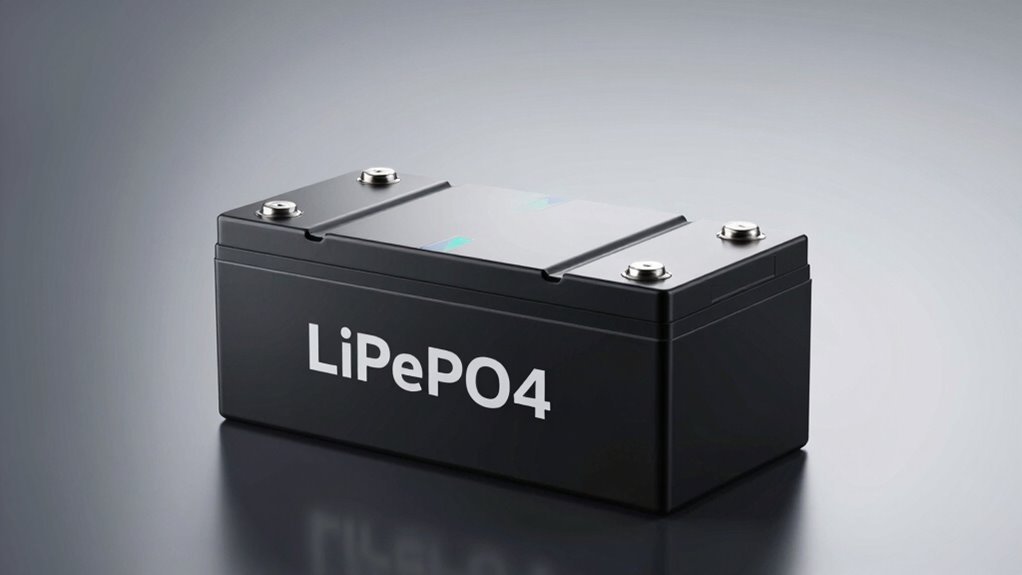
LiFePO4 batteries last longer than other types primarily because of their stable chemical composition and robust internal structure. Their chemical stability minimizes the risk of thermal runaway, which can cause damage and reduce lifespan in other batteries. The strong crystal structure of lithium iron phosphate helps resist degradation over many charge cycles, maintaining capacity much longer. Unlike batteries with more volatile chemistries, LiFePO4 cells don’t suffer from significant capacity fade due to overcharging or deep discharging. This inherent stability guarantees consistent performance over time. Additionally, their resistance to high temperatures reduces wear and tear, further extending their lifespan. Overall, the combination of chemical and structural resilience makes LiFePO4 batteries a reliable choice for long-term use.
Key Features That Ensure Long Battery Life
We believe that certain key features can substantially extend the lifespan of LiFePO4 batteries. High-quality cell chemistry, effective thermal management, and proper charge cycles all play vital roles. Let’s explore how these factors work together to guarantee long-lasting performance.
Quality Cell Chemistry
The quality of cell chemistry plays a crucial role in determining the lifespan of LiFePO4 batteries. High-quality chemistry ensures greater stability, fewer side reactions, and reduced capacity loss over time. Premium materials in the electrode and electrolyte contribute to consistent performance and longevity. When manufacturing uses pure, well-synthesized active materials, the battery resists degradation caused by repeated charge and discharge cycles. Properly balanced chemistry also minimizes the risk of thermal runaway and capacity fade. We’ve seen that batteries with carefully engineered chemistry maintain their capacity longer, providing reliable power year after year. Ultimately, choosing batteries built with superior cell chemistry means we benefit from longer service life, improved safety, and consistent performance, making them a smarter investment for any application.
Effective Thermal Management
Have you ever wondered why some batteries last longer even under heavy use? Effective thermal management is key. When batteries overheat, their chemical components degrade faster, shortening lifespan. Good thermal regulation keeps temperatures within an ideal range, preventing overheating and cold damage. This involves incorporating cooling systems like heat sinks, fans, or liquid cooling in battery packs. Proper airflow and insulation also help dissipate excess heat. By maintaining stable temperatures, we reduce stress on the battery’s chemistry, which preserves capacity and prolongs cycle life. In long-lasting Lifepo4 batteries, manufacturers prioritize thermal management because it directly impacts durability and safety. When heat is controlled efficiently, batteries perform reliably over time, making them a smarter, more cost-effective choice for demanding applications.
Proper Charge Cycles
Ever wondered how proper charging habits can extend a Lifepo4 battery’s lifespan? Maintaining the right charge cycles is essential. We recommend avoiding frequent deep discharges and not overcharging, as both stress the battery. Keeping the charge level between 20% and 80% helps preserve capacity over time. Using a charger with a proper cutoff prevents voltage spikes that can harm the cells. Regularly monitoring voltage and temperature ensures maximum performance. Below is a simple guide to proper charge practices:
| Charging Practice | Benefit |
|---|---|
| Avoid deep discharges | Extends overall battery lifespan |
| Keep charge between 20-80% | Prevents stress and capacity loss |
| Use compatible chargers | Ensures safe and efficient charging |
| Monitor voltage/temperature | Detects issues early, prevents damage |
How to Maintain Your LiFePO4 Battery for Longer Use
Maintaining your LiFePO4 battery properly is key to extending its lifespan and ensuring reliable performance. First, always use a compatible charger designed for LiFePO4 chemistry to prevent overcharging or undercharging. Keep the battery within the recommended voltage range—typically between 2.5V and 3.65V per cell—to avoid damage. Store the battery in a cool, dry place when not in use, ideally at around 50% charge if stored long-term. Regularly inspect for signs of wear, corrosion, or damage, and clean terminals with a soft cloth if needed. Avoid deep discharges and excessive high-current loads, which can strain the battery. Following these simple steps helps maximize your battery’s health, ensuring it lasts longer and performs consistently.
Factors That Affect LiFePO4 Battery Longevity in Different Applications
The longevity of LiFePO4 batteries varies considerably depending on their application, as different usage conditions impose unique stresses on the cells. For example, high temperatures accelerate aging, while frequent deep discharges shorten lifespan. Mechanical vibrations in vehicles or solar setups can cause wear, and rapid charging may generate heat that damages cells. To visualize this, consider the following:
| Application | Stress Factors | Impact |
|---|---|---|
| Solar energy | Deep cycles, temperature swings | Reduces cycle life |
| Electric vehicles | Vibration, fast charging | Causes wear and tear |
| Marine use | Corrosion, humidity | Degrades battery health |
| Backup systems | Infrequent use, high temp | Diminishes capacity |
| Portable devices | Rapid charging, frequent use | Shortens overall lifespan |
Top Brands Known for Durable LiFePO4 Batteries
When choosing a durable LiFePO4 battery, it’s essential to evaluate brands with proven reliability and quality. Top brands stand out for their consistent performance, safety features, and long lifespan. We recommend looking into companies known for rigorous testing and quality control.
Prioritize reliable brands with proven quality, safety, and long-lasting performance for durable LiFePO4 batteries.
Some leading brands include:
- Relion: Known for high-quality batteries with excellent cycle life.
- Battle Born: Trusted for durable, marine-grade LiFePO4 batteries.
- AIMS Power: Offers reliable solutions for off-grid and backup power.
- Victron Energy: Renowned for advanced technology and robust construction.
These brands have a reputation for providing batteries that last longer and perform better under demanding conditions, making them ideal choices for long-term investment.
Comparing the Longest-Lasting LiFePO4 Batteries for Solar Storage
When comparing the longest-lasting LiFePO4 batteries for solar storage, we focus on lifespan and cycle count, which directly impact long-term performance. We also consider how deep of a discharge they can handle without damage, along with warranty terms that guarantee reliability over time. These points help us identify batteries that offer the best durability and value for solar energy systems.
Battery Lifespan and Cycles
While battery lifespan and cycle life are key factors in choosing LiFePO4 batteries for solar storage, understanding how these aspects compare across the longest-lasting models helps us make informed decisions. Generally, high-quality LiFePO4 batteries offer between 2,000 and 5,000 cycles, translating to 8-15 years of reliable use. Some models excel with extended cycle counts, ensuring longevity even with daily cycling. Key points to evaluate include:
- Cycle count varies widely, often indicating overall durability.
- Calendar life can surpass cycle life, with some batteries lasting over a decade.
- Charge/discharge rates impact cycle longevity.
- Temperature tolerance influences how well batteries maintain their lifespan under different conditions.
Knowing these factors helps us select batteries that meet our long-term energy needs.
Depth of Discharge Limits
Depth of Discharge (DoD) limits play a significant role in determining how long a LiFePO4 battery lasts, especially for solar storage where daily cycling is common. A higher DoD means you’re utilizing more of the battery’s capacity before recharging, which can impact its lifespan. Many LiFePO4 batteries are rated for 80-90% DoD, enabling frequent use without sacrificing longevity. Batteries with a more conservative DoD might last longer per cycle but offer less usable capacity. Conversely, those designed for higher DoD maximize daily energy extraction, ideal for intensive solar use. Ultimately, choosing a battery with appropriate DoD limits ensures a good balance between usable capacity and cycle life, leading to longer-lasting performance in solar storage systems.
Warranty and Reliability
Warranty and reliability are essential factors when selecting the longest-lasting LiFePO4 batteries for solar storage. A solid warranty indicates manufacturer confidence and helps protect your investment over time. Reliable batteries maintain capacity and performance through many cycles, reducing the need for replacements. When comparing options, consider these key points:
- Warranty duration: Longer warranties often reflect higher confidence in battery longevity.
- Warranty coverage: Check if it covers capacity loss, defects, and performance issues.
- Brand reputation: Trusted brands tend to prioritize quality and customer support.
- Customer reviews: Real-world feedback reveals reliability and potential issues.
Choosing batteries with strong warranties and proven dependability ensures your solar system stays efficient and dependable for years to come.
Real-World Experiences With Long-Lasting LiFePO4 Batteries
Real-world experiences with long-lasting LiFePO4 batteries demonstrate their impressive durability and reliability across various applications. Many users report these batteries maintaining high performance after years of regular use, often exceeding 5,000 charge cycles. For example, RV owners appreciate their consistent power delivery, even after years on the road. Solar enthusiasts rely on them for off-grid energy storage, noting minimal capacity loss over time. Marine users highlight their resistance to vibration and temperature fluctuations, making them ideal for harsh environments. Businesses and DIY enthusiasts value their long lifespan, which reduces replacement costs and downtime. Overall, these real-world accounts confirm that LiFePO4 batteries deliver on their promise of longevity, making them a trusted choice for demanding and extended use.
Tips for Choosing the Most Durable LiFePO4 Battery for Your Needs
Choosing the most durable LiFePO4 battery for your needs requires careful consideration of several key factors. First, evaluate the battery’s cycle life—look for models rated for thousands of charge cycles to ensure longevity. Second, consider the battery’s quality and brand reputation, as reputable manufacturers often produce more reliable products. Third, assess the operating temperature range; batteries that perform well across temperatures tend to last longer. Finally, examine the warranty offered, which reflects the manufacturer’s confidence in their product.
- Cycle life and charge capacity
- Brand reputation and reviews
- Operating temperature range
- Warranty and support services
Frequently Asked Questions
How Do Temperature Changes Impact Lifepo4 Battery Lifespan?
Temperature changes can shorten Lifepo4 battery lifespan by causing stress and degradation. We recommend keeping batteries within ideal temperature ranges, avoiding extreme cold or heat, and storing them properly to guarantee longevity and reliable performance.
What Are Common Signs of a Failing Lifepo4 Battery?
Back in the day, failing LiFePO4 batteries show signs like reduced capacity, longer charging times, voltage drops, and frequent shutdowns. We recommend monitoring these signs closely to prevent sudden failure and guarantee peak performance from your battery.
Can Lifepo4 Batteries Be Recycled Effectively?
Yes, Lifepo4 batteries can be recycled effectively through specialized programs that recover valuable materials like lithium, iron, and phosphate. We encourage responsible disposal to protect the environment and guarantee these materials are reused efficiently.
How Does Charging Speed Affect Battery Longevity?
We’ve found that charging speed considerably impacts battery longevity; fast charging can generate more heat and stress, reducing lifespan. Slower charging preserves battery health, helping us enjoy longer-lasting, more reliable batteries over time.
Are There Specific Applications Where Lifepo4 Batteries Excel Most?
We find Lifepo4 batteries excel most in renewable energy storage, electric vehicles, and backup power systems. They provide reliable, long-lasting performance, especially in high-demand applications where safety, efficiency, and durability are essential.
Conclusion
In summary, choosing a high-quality LiFePO4 battery can give you over 5,000 cycles, translating to up to 15 years of reliable use. That’s a remarkable lifespan compared to traditional lead-acid batteries, which often last just 3-5 years. With proper care and the right brand, you’re investing in long-term performance that can power your solar, marine, or off-grid systems for years to come. Longevity truly makes LiFePO4 batteries the smart choice.