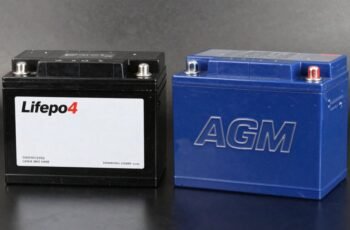
Did you know that the choice between Lifepo4 and lithium-ion batteries can profoundly impact safety, performance, and cost? Many people overlook these differences until they face practical challenges. Understanding which type suits your specific needs isn’t always straightforward. We’ll explore the key factors that can help you make an informed decision, ensuring your energy solution aligns with your priorities and budget. Let’s look at what truly sets these batteries apart.
Key Takeaways
- Choose Lifepo4 for longer lifespan, higher safety, and better thermal stability in stationary or demanding applications.
- Opt for lithium-ion if you need higher energy density, lighter weight, and portability for electronics or mobility devices.
- Consider Lifepo4 if safety and durability are priority, despite its slightly larger size and weight.
- Select lithium-ion for lower initial cost and applications requiring compact, lightweight batteries.
- Balance long-term savings with initial investment: Lifepo4 offers better value through longevity and safety, while lithium-ion is more budget-friendly upfront.
What’s the Difference Between Lifepo4 and Lithium-Ion Batteries?
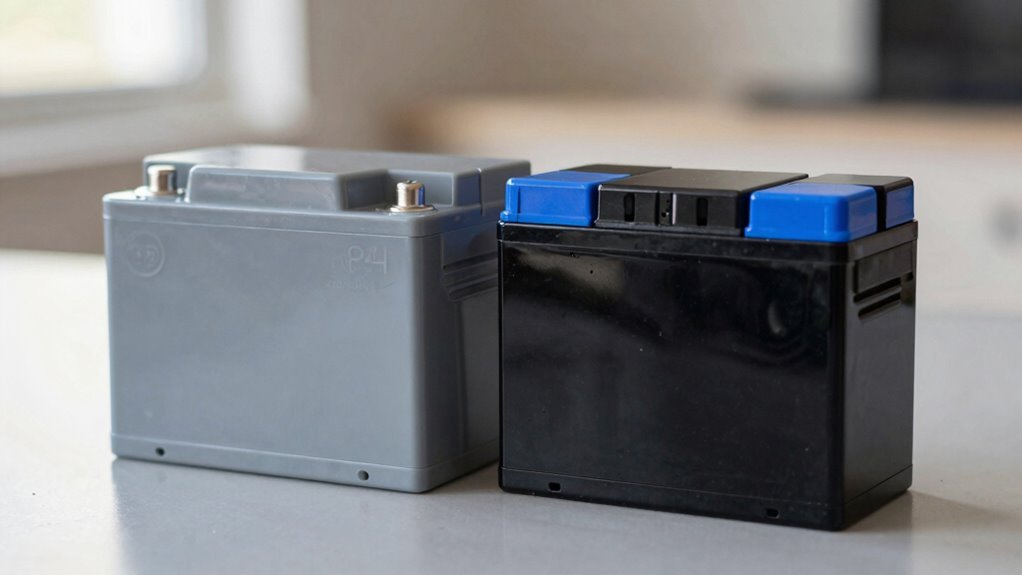
What’s the key difference between Lifepo4 and lithium-ion batteries? It’s mainly in their chemistry and how they perform. Lifepo4 (lithium iron phosphate) batteries use a different cathode material, making them more stable and safer. They tend to have a longer lifespan, often lasting thousands of charge cycles, compared to typical lithium-ion batteries. Lithium-ion batteries, which include chemistries like NMC and NCA, usually have a higher energy density, meaning they can store more power in a smaller size. This makes them popular for portable electronics. However, Lifepo4 batteries are less prone to overheating and thermal runaway, providing enhanced safety. So, while lithium-ion batteries excel in energy density, Lifepo4 batteries prioritize safety and longevity.
Are Lifepo4 Batteries Safer Than Lithium-Ion?
We believe Lifepo4 batteries are generally safer than lithium-ion ones because of their better thermal stability. This means they’re less likely to overheat or catch fire under normal use. So, when it comes to safety risks, Lifepo4 batteries offer notable advantages.
Thermal Stability Advantages
Are Lifepo4 batteries truly safer than lithium-ion ones when it comes to thermal stability? The answer is yes. Lifepo4 chemistry is inherently more stable because it operates at a lower voltage and avoids the formation of unstable electrode compounds. This means it’s less prone to overheating and thermal runaway, even under stress or damage. Unlike traditional lithium-ion batteries, Lifepo4 doesn’t release oxygen when heated, reducing the risk of fire or explosion. This enhanced thermal stability makes Lifepo4 a safer choice, especially in demanding environments or applications where safety is paramount. While no battery is completely risk-free, Lifepo4’s design considerably lowers the chances of dangerous thermal events, giving users peace of mind that their energy storage is more resilient under extreme conditions.
Risk of Fire Reduction
Lifepo4 batteries are widely regarded as safer than traditional lithium-ion ones when it comes to fire risk. They have a more stable chemistry that’s less prone to overheating or thermal runaway, which is the main cause of battery fires. Unlike lithium-ion batteries that use cobalt or nickel-based cathodes, Lifepo4’s phosphate cathodes are more stable even under stress or damage. This stability markedly reduces the chance of a fire or explosion if the battery is punctured, overcharged, or subjected to high temperatures. While no battery is completely risk-free, Lifepo4’s inherent chemical stability makes them a safer choice for applications where fire safety is a priority. Overall, they offer peace of mind with a lower likelihood of catastrophic failure.
How Do Lifepo4 and Lithium-Ion Batteries Compare in Longevity and Performance?
When comparing Lifepo4 and lithium-ion batteries, their longevity and performance stand out as key differences that influence their suitability for various applications. Lifepo4 batteries typically last longer, often providing 2,000 to 3,000 charge cycles, compared to 500 to 1,500 cycles for lithium-ion. This means Lifepo4 batteries maintain their capacity over more cycles, making them ideal for long-term use. In terms of performance, Lifepo4 batteries deliver a stable voltage and better thermal stability, reducing risks of overheating and capacity loss. Lithium-ion batteries, however, usually offer higher energy density, which translates to more power in a smaller package. Both types perform well in their niches, but Lifepo4’s longer lifespan and stability give it an advantage for applications emphasizing durability.
Which Battery Is Lighter and More Compact for Your Projects?
When choosing batteries for compact projects, weight and size are essential factors. We find that Lifepo4 batteries tend to be slightly heavier but often more space-efficient, while lithium-ion batteries are generally lighter and more compact. Understanding these differences can help you select the best option for your specific space and weight constraints.
Weight Differences and Impact
Although both Lifepo4 and lithium-ion batteries are popular choices for various projects, their weight and size can considerably influence your decision. Generally, Lifepo4 batteries tend to be slightly heavier and bulkier than lithium-ion options of the same capacity. This added weight can matter if you’re working on portable or weight-sensitive projects. Lithium-ion batteries are known for their high energy density, making them more compact and lighter for similar capacities. If minimizing weight and size is critical, lithium-ion batteries usually have the advantage. However, Lifepo4 batteries offer other benefits like stability and longevity, which might outweigh the size considerations. Ultimately, your project’s specific requirements will determine which battery type is more suitable in terms of weight and overall impact.
Size and Space Efficiency
Choosing between Lifepo4 and lithium-ion batteries often comes down to size and space efficiency, especially when working on portable or space-constrained projects. Lifepo4 batteries tend to be slightly larger for the same capacity, but they offer more stable dimensions over time. Lithium-ion batteries are generally more compact and lightweight, making them ideal for tight spaces. To compare:
| Feature | Lithium-Ion | Lifepo4 |
|---|---|---|
| Size | Smaller and more compact | Slightly larger |
| Weight | Lighter | Slightly heavier |
| Shape Flexibility | More adaptable | Less flexible |
| Space Efficiency | Higher | Moderate |
| Application Suitability | Portable, space-sensitive | Durable, space-optimized |
This table highlights how lithium-ion batteries often save space, but Lifepo4 offers other benefits.
How Do Costs Compare Between Lifepo4 and Lithium-Ion Batteries?
The costs of Lifepo4 and lithium-ion batteries can vary considerably depending on factors like capacity, brand, and application. Generally, Lifepo4 batteries tend to have a higher upfront cost compared to standard lithium-ion batteries. However, they often offer better long-term value because of their longer lifespan and improved safety features, which can reduce replacement and maintenance costs over time. Lithium-ion batteries are usually less expensive initially but may need replacing sooner, especially under heavy use. The choice depends on your budget and how you weigh initial investment against long-term savings. While Lifepo4 batteries might seem pricier upfront, their durability and safety can make them more economical in the long run.
Which Battery Is Best for Solar Storage and Electric Vehicles?
When selecting the best battery for solar storage and electric vehicles, we need to take into account factors like capacity, safety, lifespan, and cost. Lifepo4 batteries often excel here because they offer higher safety margins, reducing the risk of thermal runaway. They also tend to last longer, with more charge cycles, making them ideal for daily use. Lithium-ion batteries, however, usually provide higher energy density, meaning they can store more power in a smaller space—great for compact vehicle design and limited installation areas. Cost-wise, Lifepo4 batteries are generally more affordable over the long term due to their durability. Ultimately, the choice depends on whether you prioritize safety and longevity or maximum energy density for your solar and EV needs.
How to Choose the Right Battery for Your Needs and Budget
Selecting the right battery depends on understanding your specific energy needs and budget constraints. First, assess how much power you require daily and the duration you need it for. If you need high capacity for long-term use, Lifepo4 batteries may be more suitable due to their longevity and safety. For smaller budgets or lighter use, lithium-ion options could be more affordable upfront. Consider charging and discharging rates, as well as weight and size, which impact portability and installation. Also, evaluate upfront costs versus long-term savings from battery lifespan and maintenance. By matching your energy demands with your budget, you can choose a battery that offers the best value and performance, ensuring your investment aligns with your goals and financial limits.
Frequently Asked Questions
Can Lifepo4 Batteries Handle High Current Demands Better Than Lithium-Ion?
We believe Lifepo4 batteries handle high current demands better than lithium-ion because they offer higher discharge rates, improved thermal stability, and less risk of overheating, making them more reliable for demanding applications and intense power needs.
Are Lifepo4 Batteries More Environmentally Friendly Than Lithium-Ion?
Imagine a clear, green lake—Lifepo4 batteries are more environmentally friendly than lithium-ion, as they produce less toxic waste, are safer, and have longer lifespans, reducing overall ecological impact and making a cleaner, greener future possible for us all.
How Do Lifepo4 Batteries Perform in Extreme Temperatures?
We find Lifepo4 batteries perform well in extreme temperatures, maintaining stability and safety. They handle cold conditions better than many lithium-ion options, but extremely high heat can still impact their performance and lifespan.
What Are the Maintenance Requirements for Each Battery Type?
Think of batteries as plants needing care; LiFePO4 requires minimal maintenance—just regular checks—while lithium-ion demands more attention to prevent capacity loss. We’ve found that proper upkeep extends each battery’s lifespan considerably.
Which Battery Type Has Better Resale Value Over Time?
We believe LiFePO4 batteries tend to have better resale value over time because they last longer, maintain their capacity better, and are considered safer and more environmentally friendly, making them more attractive to potential buyers.
Conclusion
Ultimately, choosing between Lifepo4 and lithium-ion batteries depends on what we value most—safety, longevity, or portability. Both have their strengths, and often, it’s a matter of matching the right features to our specific needs. As we weigh cost against performance, it’s fascinating how the perfect fit often aligns with our unique priorities. In the end, the best choice is the one that powers our plans safely, efficiently, and confidently.