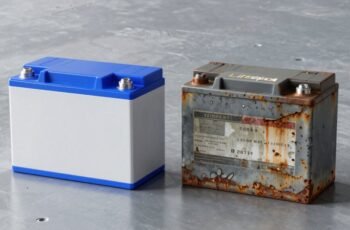
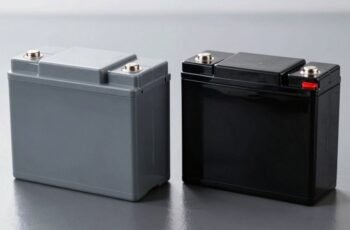
While lithium-ion batteries often lead in energy density, LiFePO4 batteries excel in safety and longevity. Both chemistries serve different needs, but choosing the right one depends on what you prioritize most—power, durability, or safety. Understanding their core differences can help us make smarter decisions for various applications. So, how do these chemistries truly compare in everyday use?
Key Takeaways
- LiFePO4 offers superior safety and thermal stability compared to lithium-ion batteries.
- Lithium-ion batteries have higher energy density, providing longer runtime for portable devices.
- LiFePO4 has a longer lifespan, with 2,000-3,000 charge cycles versus 500-1,000 cycles for lithium-ion.
- Lithium-ion batteries are better suited for high-energy applications like smartphones and laptops.
- Choose LiFePO4 for applications prioritizing safety, durability, and long-term cycle stability.
Chemistry and Safety Profiles of LiFePO4 and Lithium-Ion Batteries
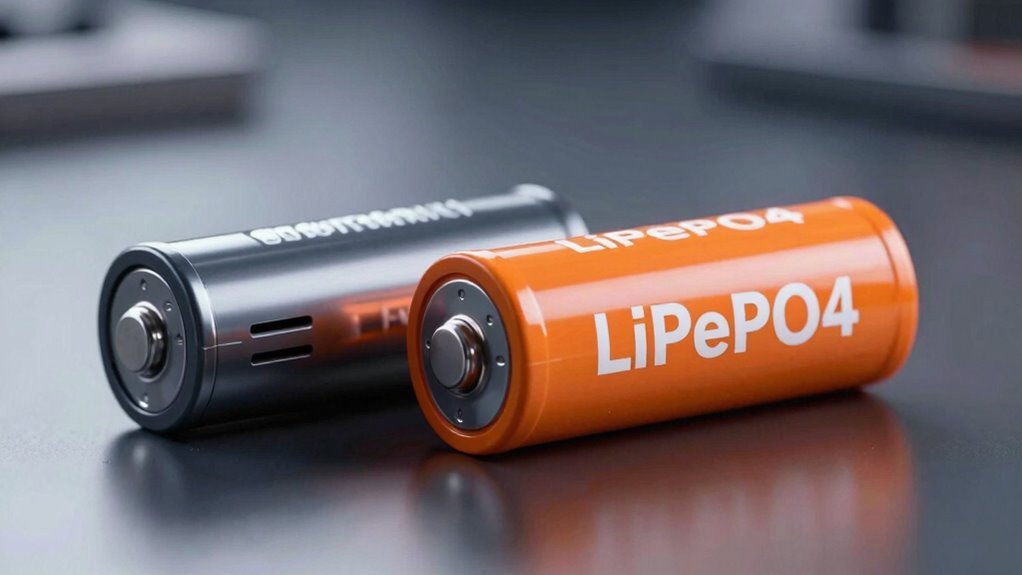
While both LiFePO4 and traditional lithium-ion batteries rely on lithium chemistry, their internal structures and safety profiles differ considerably. LiFePO4 batteries use lithium iron phosphate as the cathode, which creates a more stable chemical structure. This stability means they’re less prone to overheating or thermal runaway, making them safer overall. In contrast, typical lithium-ion batteries often use cobalt or nickel-based cathodes, which are more reactive and can pose safety risks if damaged or improperly handled. LiFePO4 batteries also have a lower energy density but excel in thermal stability, resisting fires or explosions better. This safety edge makes them ideal for applications where reliability and safety are critical, even if they don’t pack as much energy per cell as traditional lithium-ion options.
How Do Lifespan and Cycle Stability Compare?
LiFePO4 batteries generally offer a longer lifespan and better cycle stability compared to traditional lithium-ion batteries. They can typically handle around 2,000 to 3,000 charge cycles, often maintaining over 80% of their original capacity. In contrast, standard lithium-ion batteries usually last between 500 to 1,000 cycles before their capacity markedly declines. This superior cycle stability means LiFePO4 batteries can endure more frequent charging and discharging without degrading quickly. Their chemical structure contributes to this durability, reducing capacity fade over time. As a result, LiFePO4 batteries are ideal for applications demanding long-term reliability and frequent cycling, providing a more consistent performance over their extended lifespan.
Energy Density and Power Output in Battery Chemistries
Energy density and power output are critical factors in comparing battery chemistries, as they directly influence how long a battery can run and how quickly it can deliver power. Lithium-ion batteries typically have higher energy densities, meaning they store more energy per unit weight or volume, making them ideal for applications requiring longer runtimes. They also provide high power output, allowing rapid delivery of energy when needed. In contrast, LiFePO4 batteries generally have lower energy densities but excel in providing stable, consistent power over time. While they may not last as long on a single charge, their power delivery remains reliable. Ultimately, understanding these differences helps us choose the right chemistry based on whether endurance or high power output is more critical for our specific needs.
Best Applications for LiFePO4 and Lithium-Ion Batteries
Choosing the right battery chemistry depends heavily on the specific application and performance requirements. For instance, LiFePO4 batteries excel in scenarios needing stability, safety, and long cycle life. They’re ideal for:
- Electric vehicles with long-range needs
- Solar energy storage systems
- Marine applications requiring durability
- Uninterruptible power supplies (UPS)
Conversely, Lithium-Ion batteries are better suited for applications demanding high energy density and rapid charging. These include:
- Smartphones and laptops
- Portable power tools
- Consumer electronics
- Electric bikes and scooters
Understanding these applications helps us match the chemistry to the task, ensuring optimal performance and longevity. Each chemistry’s strengths align with different needs, making the choice more about the specific use case than general superiority.
Key Factors When Choosing Between Battery Chemistries
When selecting the right battery chemistry, several key factors must be carefully considered to guarantee peak performance and safety. First, think about energy density—lithium-ion batteries typically offer higher energy density, making them ideal for portable devices, while LiFePO4 batteries provide more stability. Next, consider safety; LiFePO4 is less prone to thermal runaway, reducing fire risks. Cost is another vital factor—LiFePO4 batteries usually cost less upfront and have longer cycle lives, lowering replacement expenses. Charging requirements also matter; lithium-ion batteries often need more precise chargers, whereas LiFePO4 batteries are more forgiving. Ultimately, think about environmental conditions; LiFePO4 performs better in high temperatures. By weighing these factors, you can make an informed choice aligned with your specific needs and priorities.
Frequently Asked Questions
Are Lifepo4 Batteries Environmentally Friendly Compared to Lithium-Ion?
We believe LiFePO4 batteries are more environmentally friendly than lithium-ion because they contain fewer toxic materials, last longer, and are safer to recycle, helping reduce environmental impact and promote sustainable energy solutions for everyone.
How Do Temperature Ranges Affect Battery Performance in Real-World Use?
We’ve seen that batteries lose about 50% of their capacity when temperatures drop below freezing, so in real-world use, cold weather hampers performance, while high temperatures can shorten battery lifespan considerably. Staying within ideal temps is essential.
What Are the Cost Differences Over the Battery’s Lifetime?
We find that Lifepo4 batteries generally cost more upfront but last longer, saving us money over time. Lithium-ion batteries are cheaper initially but tend to need replacement sooner, impacting long-term costs.
Can Lifepo4 Batteries Be Used in High-Temperature Environments?
Lifepo4 batteries are like resilient soldiers—they can handle high temperatures better than other chemistries. We find they perform reliably in hot environments, making them a solid choice when heat is a major factor.
How Do Recycling Processes Differ for Lifepo4 and Lithium-Ion Batteries?
We find recycling processes for Lifepo4 batteries simpler and safer, primarily because they contain fewer toxic materials. Lithium-ion batteries involve more complex, hazardous procedures due to their diverse chemistries and the presence of valuable, yet dangerous, components.
Conclusion
When choosing between LiFePO4 and lithium-ion batteries, safety and longevity often tip the scales toward LiFePO4, especially for demanding, long-term uses. Did you know LiFePO4 batteries can last over 2,000 cycles—twice as many as many lithium-ion options? This statistic highlights their durability, making them a smart choice for applications where safety and lifespan matter most. Ultimately, understanding your needs helps us pick the best chemistry for a reliable, safe, and efficient power source.