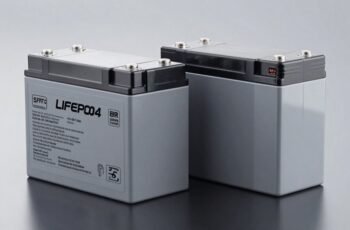
When comparing Lifepo4 and lead acid batteries, we understand initial costs can be deceiving. While Lifepo4 batteries often cost two to three times more upfront, their longer lifespan and lower maintenance might make them more economical over time. But is the higher initial investment really worth it? Let’s explore the factors that influence the total cost and see which option truly offers better value for your energy needs.
Key Takeaways
- Lifepo4 batteries have a higher initial cost but offer longer lifespan and fewer replacements, reducing long-term expenses.
- Lead acid batteries are cheaper upfront but require more frequent replacements and maintenance, increasing operational costs.
- Lifepo4’s higher energy efficiency saves energy and lowers electricity bills over time.
- Overall cost-effectiveness favors Lifepo4 due to better safety, warranty, and lower maintenance needs.
- As capacity increases, Lifepo4’s cost per amp-hour improves, making larger batteries more economical long-term.
What Factors Affect the Cost of Lifepo4 and Lead Acid Batteries?
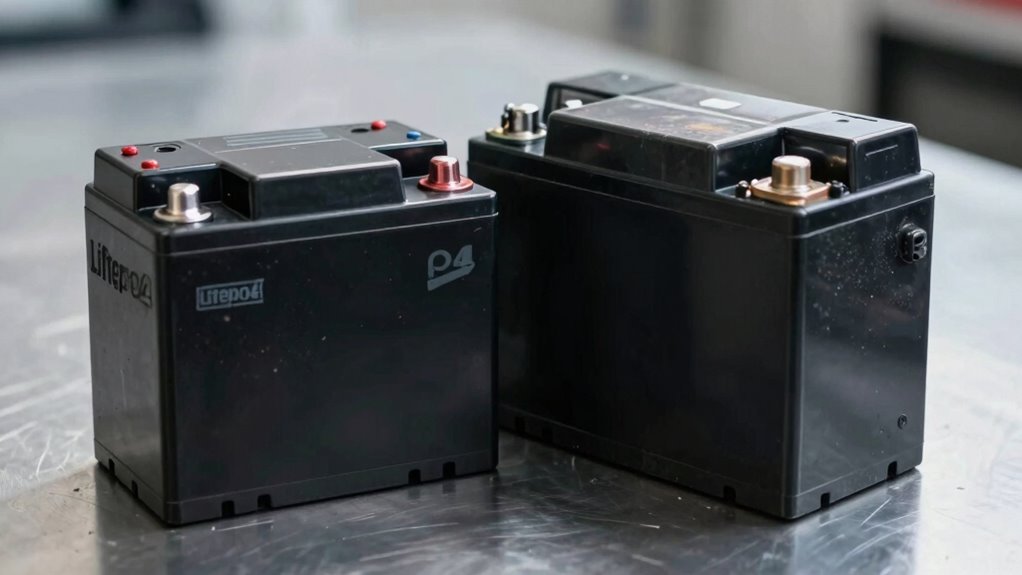
Several key factors influence the cost differences between Lifepo4 and lead acid batteries. First, the materials used in Lifepo4 cells, like lithium iron phosphate, are more expensive than the lead plates in traditional batteries. Manufacturing complexity also plays a role; Lifepo4 batteries require advanced production processes and quality control. Additionally, Lifepo4 batteries tend to last longer, which affects their overall value and upfront cost. The energy density is higher in Lifepo4, meaning they store more power in a smaller size, impacting cost. Maintenance needs differ too—lead acid batteries require regular upkeep, adding to long-term costs. All these factors together shape the initial and ongoing expenses, making Lifepo4 and lead acid batteries vary considerably in price based on their design and materials.
How Much Do These Batteries Cost Initially?
The initial cost of Lifepo4 and lead acid batteries varies based on their size and capacity. Generally, Lifepo4 batteries have a higher upfront price but offer longer lifespan, while lead acid options are more budget-friendly initially. Understanding these price differences helps us choose the right battery for our needs and budget.
Initial Purchase Price
Wondering how the initial costs compare between Lifepo4 and lead acid batteries? Generally, Lifepo4 batteries have a higher upfront price, often costing two to three times more than lead acid options of similar capacity. For example, a 100Ah lead acid battery might cost around $150 to $250, while a Lifepo4 of the same capacity can range from $600 to $1,200. This higher initial investment can seem intimidating, but it reflects the advanced technology and longer lifespan of Lifepo4 batteries. Lead acid batteries are cheaper initially but tend to require replacements sooner. So, while Lifepo4 batteries have a higher purchase price, their durability and efficiency can make them a more economical choice over time.
Battery Size Variations
Battery size considerably influences the initial cost of both Lifepo4 and lead acid options. Larger batteries mean higher upfront expenses, but the difference varies between types. For example, a small 100Ah battery will cost less initially than a 300Ah one, regardless of chemistry. However, Lifepo4 batteries tend to be more expensive per amp-hour at smaller sizes but become more cost-effective as size increases. To visualize:
| Battery Size | Approximate Cost |
|---|---|
| 100Ah | $600 – $1,000 |
| 200Ah | $1,200 – $2,200 |
| 300Ah | $1,800 – $3,200 |
This table shows how size impacts price, with Lifepo4 batteries generally having a higher initial cost at each size, but potential long-term savings.
What Are the Long-Term Maintenance and Replacement Costs?
Over the long term, battery lifespan and durability considerably impact maintenance and replacement costs. We’ve found that Lifepo4 batteries typically require less frequent maintenance and have a longer lifespan compared to lead acid options. This means lower expenses over time and less hassle for users.
Battery Lifespan and Durability
Although both Lifepo4 and lead acid batteries require regular maintenance, Lifepo4 batteries generally offer a longer lifespan and greater durability, which can considerably reduce long-term costs. Lifepo4 batteries typically last 8-10 years, compared to 3-5 years for lead acid. This means fewer replacements and less downtime. Their robust construction withstands deep discharges and extreme temperatures better, maintaining performance over time. To visualize:
| Aspect | Lifepo4 | Lead Acid |
|---|---|---|
| Lifespan | 8-10 years | 3-5 years |
| Durability | High, resistant to deep cycles | Moderate, sensitive to cycling |
| Maintenance | Low, minimal degradation | Higher, prone to sulfation |
This longevity makes Lifepo4 a smarter investment long-term.
Maintenance Frequency and Expenses
While Lifepo4 batteries generally require less maintenance over their lifespan, they still demand regular checks to guarantee peak performance. The maintenance costs for lead-acid batteries tend to be higher due to their more frequent upkeep needs. Specifically, both types require:
- Periodic inspection of terminals and connections
- Regular electrolyte level checks (mainly for lead-acid)
- Equalization charging (lead-acid)
- Replacement after several years
Lifepo4 batteries typically need fewer replacements because they resist corrosion and degradation better. On the other hand, lead-acid batteries often require more frequent replacements, increasing long-term expenses. Overall, Lifepo4 batteries tend to be more cost-effective in maintenance over time, saving both time and money.
How Long Do These Batteries Last, and What’s Their Replacement Cost?
When considering battery longevity, it’s important to understand how long Lifepo4 and lead-acid batteries typically last and what their replacement costs are. Lifepo4 batteries usually last 8-10 years, with about 2,000-3,000 charge cycles, while lead-acid batteries last 3-5 years, with roughly 500-1,000 cycles. Replacement costs vary: Lifepo4 batteries tend to be more expensive upfront but last longer, reducing replacement frequency. Lead-acid batteries are cheaper initially but may need replacement more often, adding up over time. Here’s a quick comparison:
| Battery Type | Typical Lifespan | Approximate Replacement Cost | Number of Cycles |
|---|---|---|---|
| Lifepo4 | 8-10 years | $500 – $1,000 | 2,000-3,000 |
| Lead Acid | 3-5 years | $100 – $300 | 500-1,000 |
What Performance and Efficiency Benefits Do They Offer for the Price?
Both Lifepo4 and lead-acid batteries deliver distinct performance and efficiency benefits that influence their overall value. Lifepo4 batteries typically offer:
- Faster charging times, reducing downtime.
- Higher energy density, providing more power in a smaller size.
- Longer cycle life, meaning they last through more charge cycles.
- Better temperature tolerance, performing well across various conditions.
Lead-acid batteries, on the other hand, excel in affordability upfront and simpler maintenance. When considering performance for the price, Lifepo4 batteries often provide superior efficiency and longevity, which can offset their higher initial cost. They’re ideal for applications demanding reliability and sustained performance, while lead-acid batteries remain a cost-effective choice for short-term or less demanding uses.
Which Battery Gives You the Best Value for Your Money?
Selecting the best value for your money depends on your specific needs and how you weigh upfront costs against long-term benefits. Lifepo4 batteries tend to have higher initial prices but offer longer lifespan, better efficiency, and lower maintenance costs over time. This means they can save you money in the long run by reducing replacements and upkeep. Lead acid batteries, on the other hand, have lower upfront costs but typically need replacement sooner and have lower efficiency, which can increase operational costs. If you’re looking for a battery that provides steady performance and durability over many years, Lifepo4 usually offers better value. However, if your budget is tight initially, lead acid might seem more affordable upfront, even if it costs more over time.
Tips to Save Money When Choosing Between Lifepo4 and Lead Acid Batteries
To save money when choosing between Lifepo4 and lead acid batteries, it’s essential to compare not just their upfront costs but also the long-term expenses associated with each option. Here are some tips:
- Consider lifespan – Lifepo4 batteries last considerably longer, reducing replacement costs over time.
- Evaluate maintenance needs – Lead acid batteries require regular maintenance, adding to ongoing expenses.
- Assess efficiency – Lifepo4 batteries have higher charge efficiency, saving energy and money.
- Factor in safety and warranty – Better safety features and longer warranties can lower potential repair costs.
Frequently Asked Questions
How Do Environmental Impacts Differ Between Lifepo4 and Lead Acid Batteries?
We believe Lifepo4 batteries are more environmentally friendly because they last longer, contain fewer toxic materials, and are easier to recycle, reducing waste and pollution compared to lead acid batteries, which pose more environmental hazards and have shorter lifespans.
Are There Any Safety Concerns Associated With Lifepo4 and Lead Acid Batteries?
Back in the day, safety was a concern for all batteries, and today, both Lifepo4 and lead acid batteries require careful handling. We guarantee proper use to prevent risks like fires or leaks, keeping everyone safe.
Which Battery Type Is More Suitable for Portable Applications?
We believe LiFePO4 batteries are more suitable for portable applications because they’re lighter, have longer lifespans, and charge faster. These qualities make them ideal for portable devices, providing reliability and convenience in various mobile, off-grid, or emergency scenarios.
How Do Recycling and Disposal Costs Compare for Both Batteries?
We find recycling and disposal costs for Lifepo4 batteries are generally lower because they’re more environmentally friendly and contain fewer hazardous materials than lead-acid batteries, which require careful handling and higher disposal expenses.
What Are the Warranty Periods Typically Offered for Lifepo4 Versus Lead Acid Batteries?
We’re often reassured by Lifepo4 batteries’ longer warranties, typically around 8-10 years, compared to lead acid’s 3-5 years. This extended coverage offers peace of mind, highlighting Lifepo4’s durability and reliable investment for your needs.
Conclusion
While lead acid batteries may seem cheaper upfront, Lifepo4’s longevity and low maintenance make it the smarter investment in the long run. It’s like choosing a reliable, fuel-efficient car over a cheaper, short-lived one. Though the initial cost is higher, the savings in replacements and upkeep quickly add up. Ultimately, Lifepo4 offers better value, proving that sometimes, spending a little more now saves us a lot later.